Haus Rodriguez Chacon
Haus Rodriguez Chacon
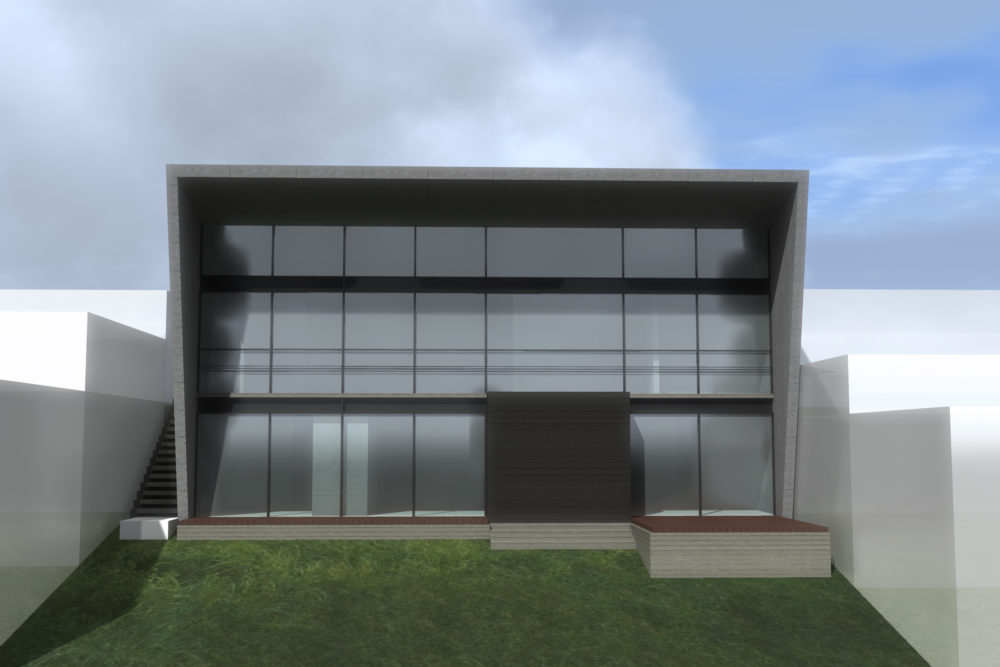
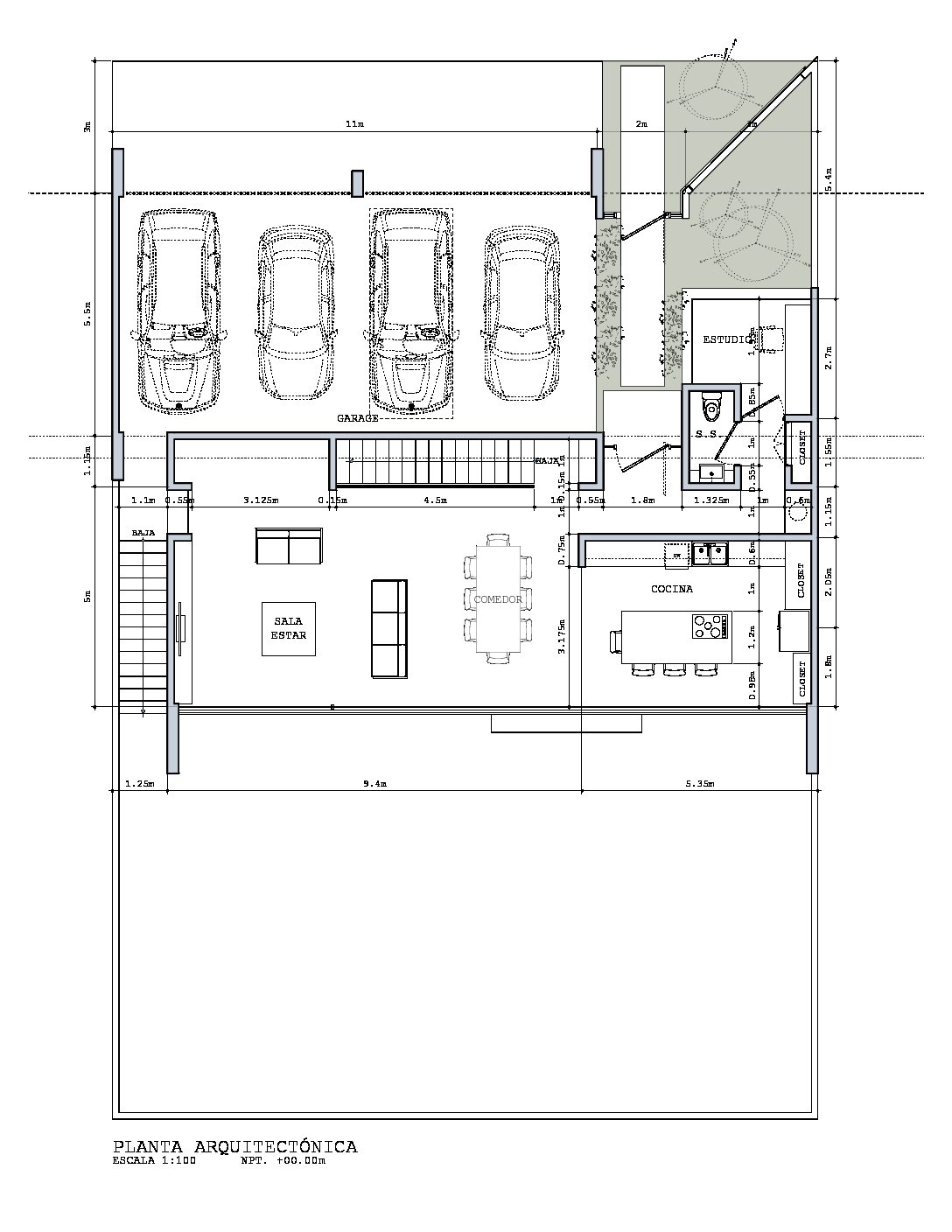
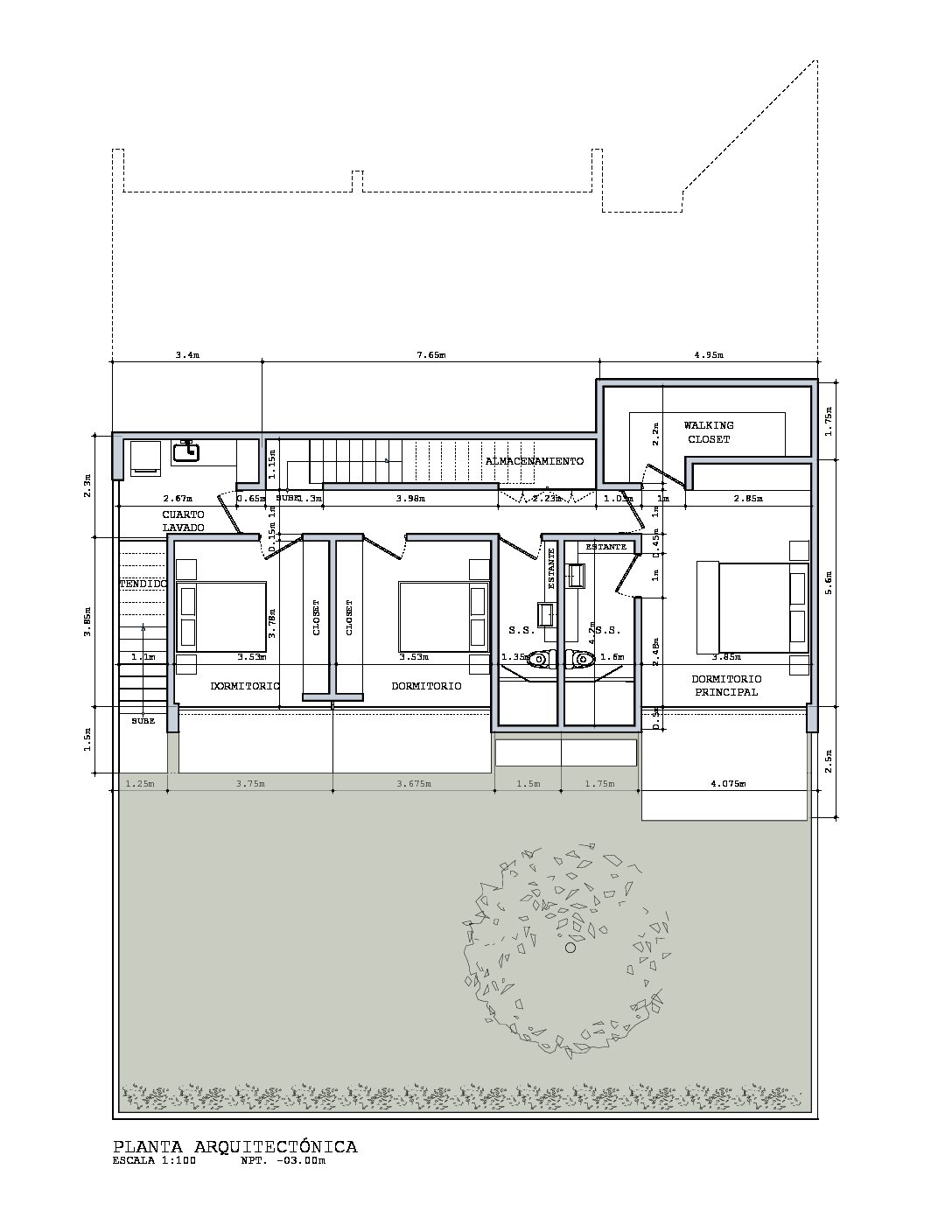
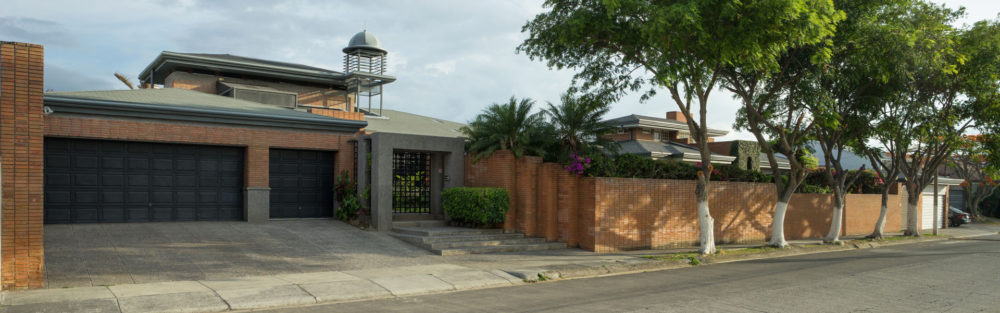
Moderne costa-ricanische Residenz in der Nähe von La Sabana, die für zukünftige Anpassungen an verschiedene Nutzungen konzipiert ist.
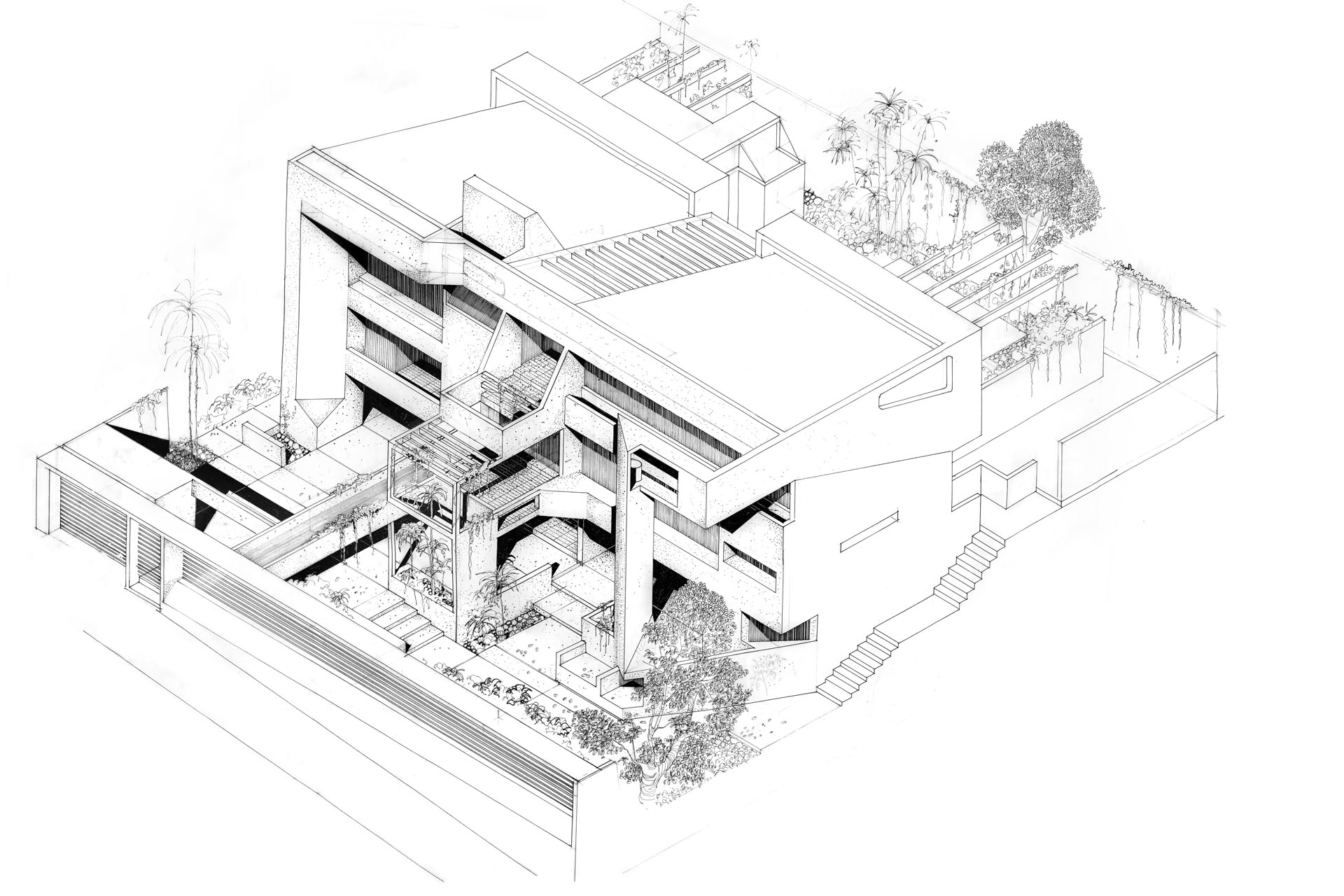
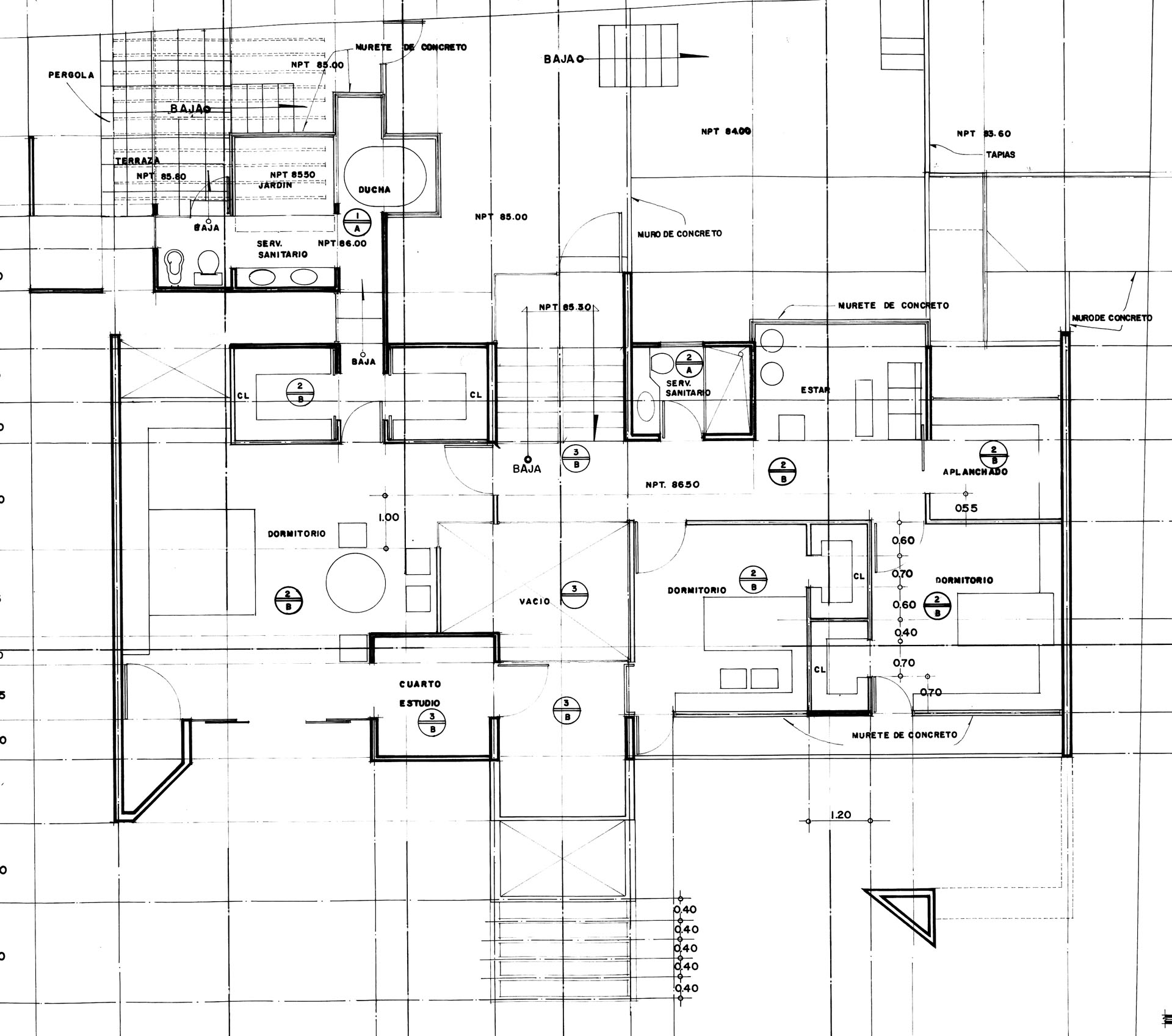
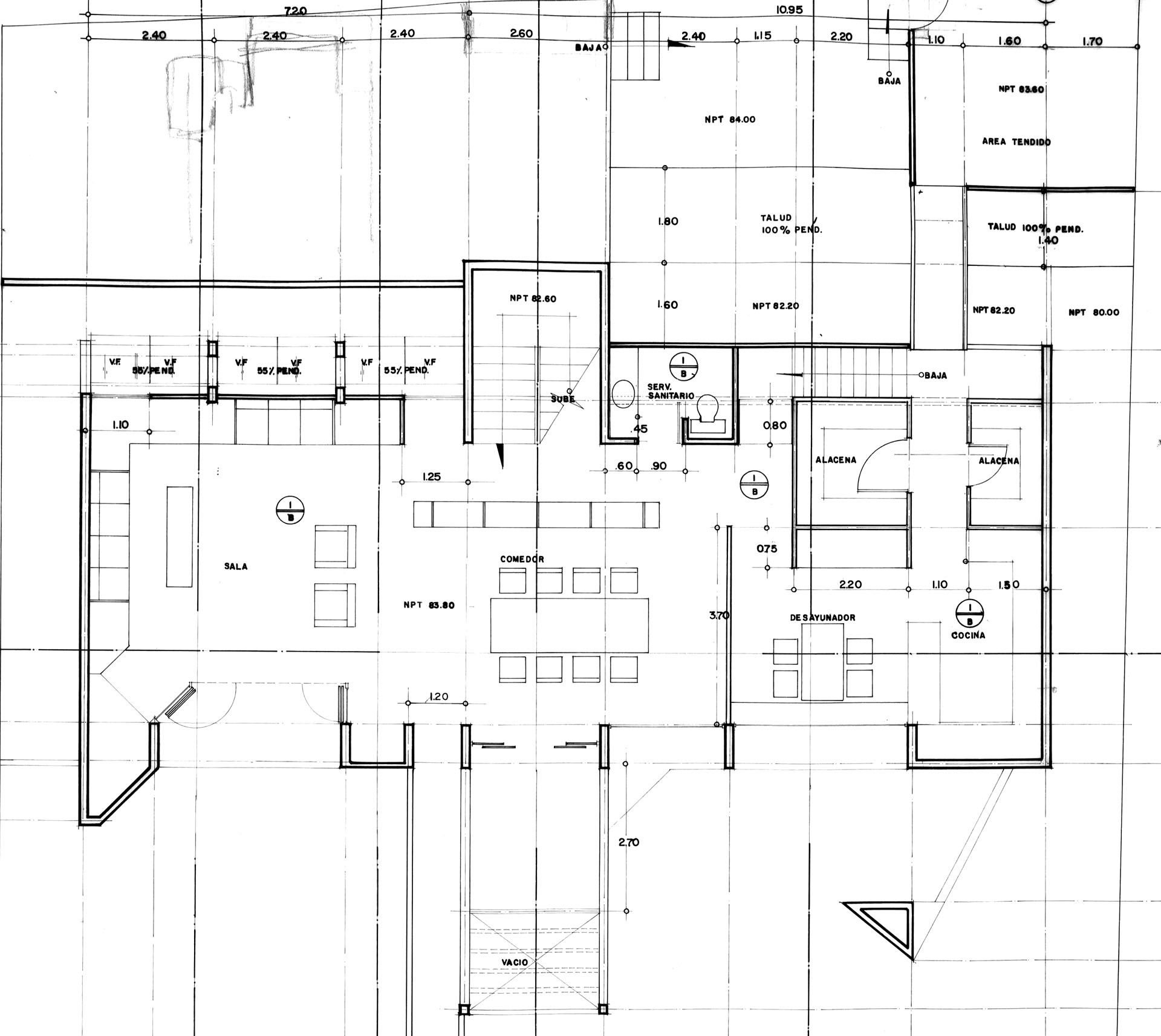
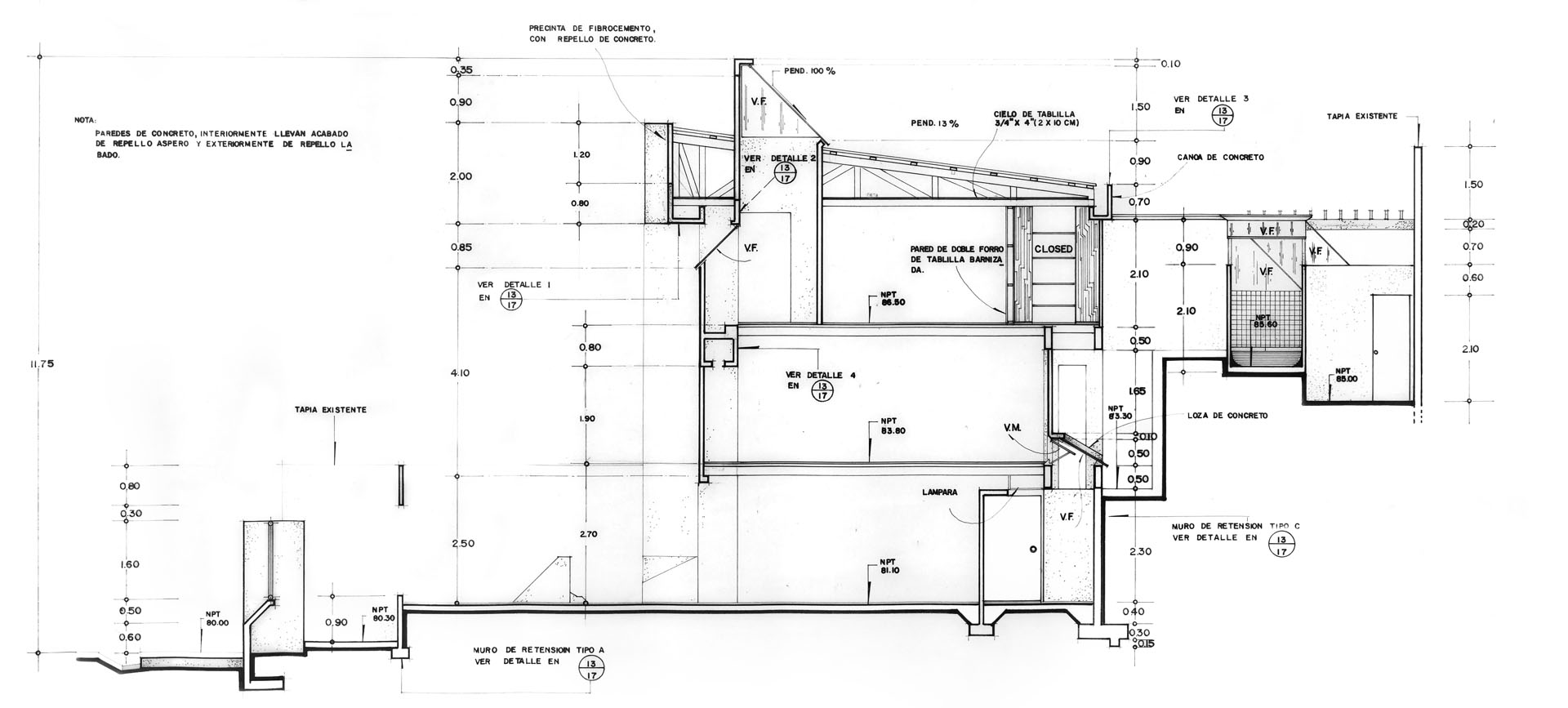


Moderne costa-ricanische Residenz in der Nähe von La Sabana, die für zukünftige Anpassungen an verschiedene Nutzungen konzipiert ist.
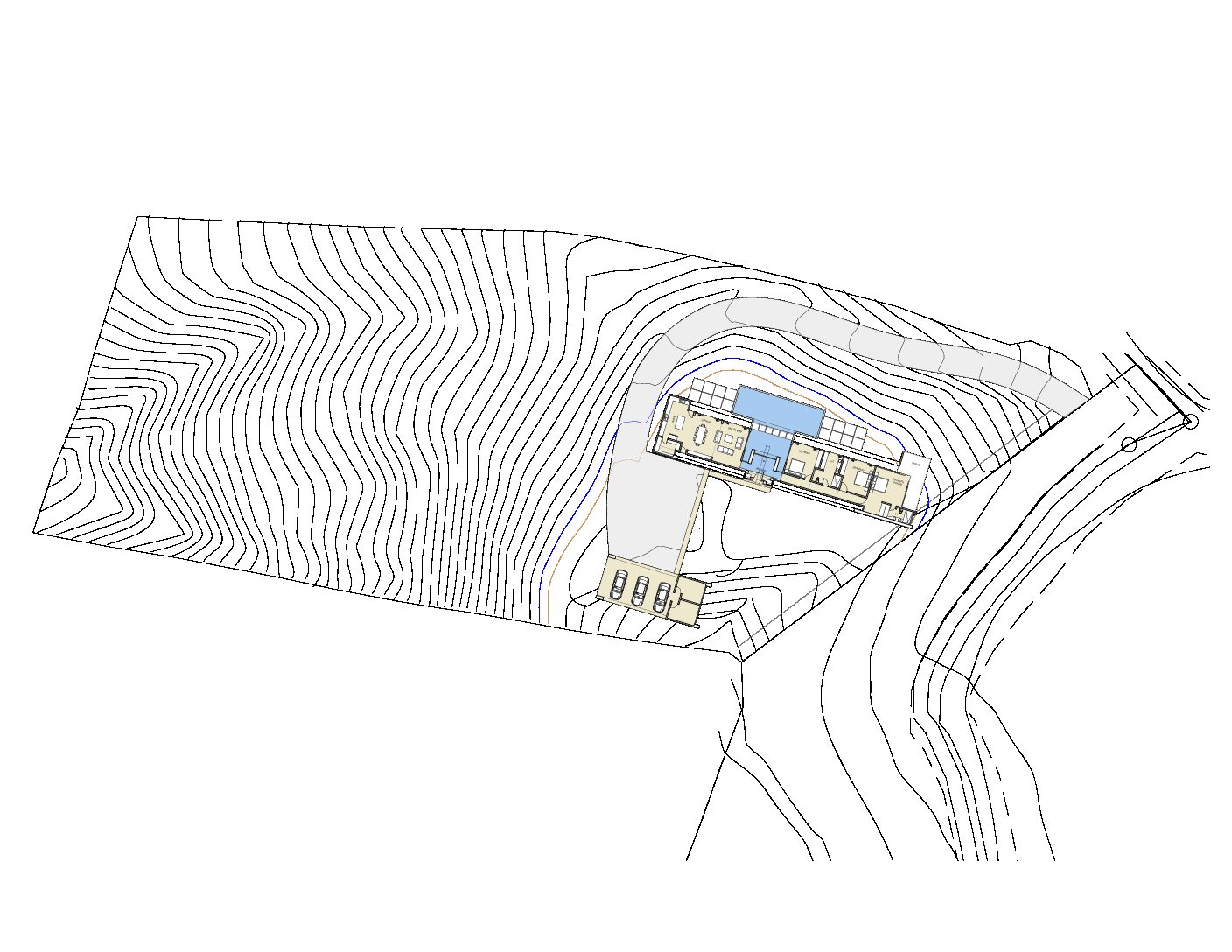
Dieses moderne costa-ricanische Haus wurde für Venado Hills in Portegolpe, Tempate, Santa Cruz, Guanacaste, 8 km östlich von Playa Grande entwickelt.
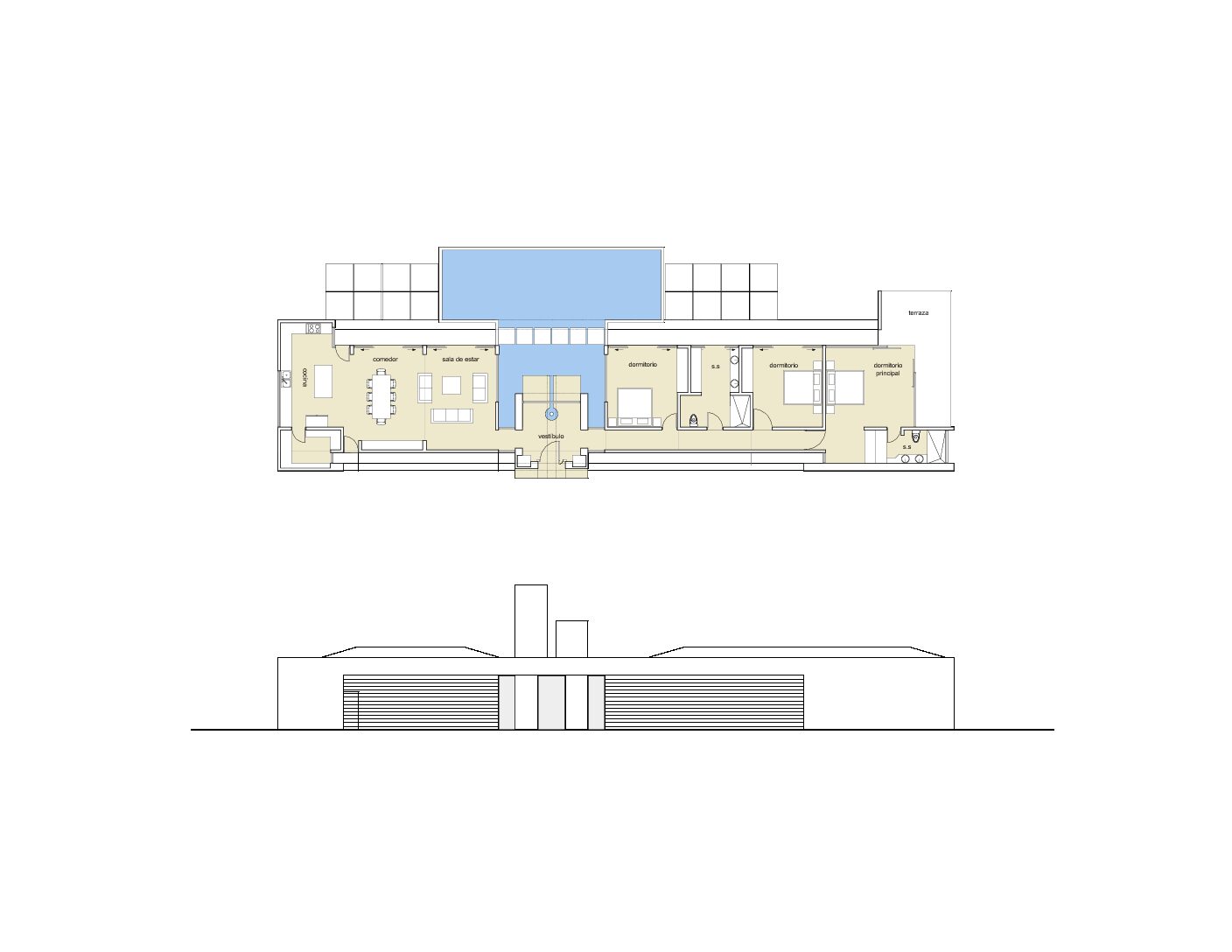
Die Architektur wird von zwei klaren und linearen Gebäuden gebildet, die durch eine Kolonnade verbunden sind. Der Eingang wird durch eine Skulptur zelebriert, die sich in einem Wasserbecken spiegelt. Zwischen den Gebäuden befindet sich ein quadratischer Platz, der einen Kontrast zur umliegenden Vegetation und Topografie bildet.
Jedes Gebäude besteht aus zwei Hüllen, einer äußeren aus Sichtbeton und einer geschützten aus Holz.
Die Wiederholung von pyramidenförmigen Dächern verleiht jedem Raum dieses Hauses Rhythmus und Volumen.
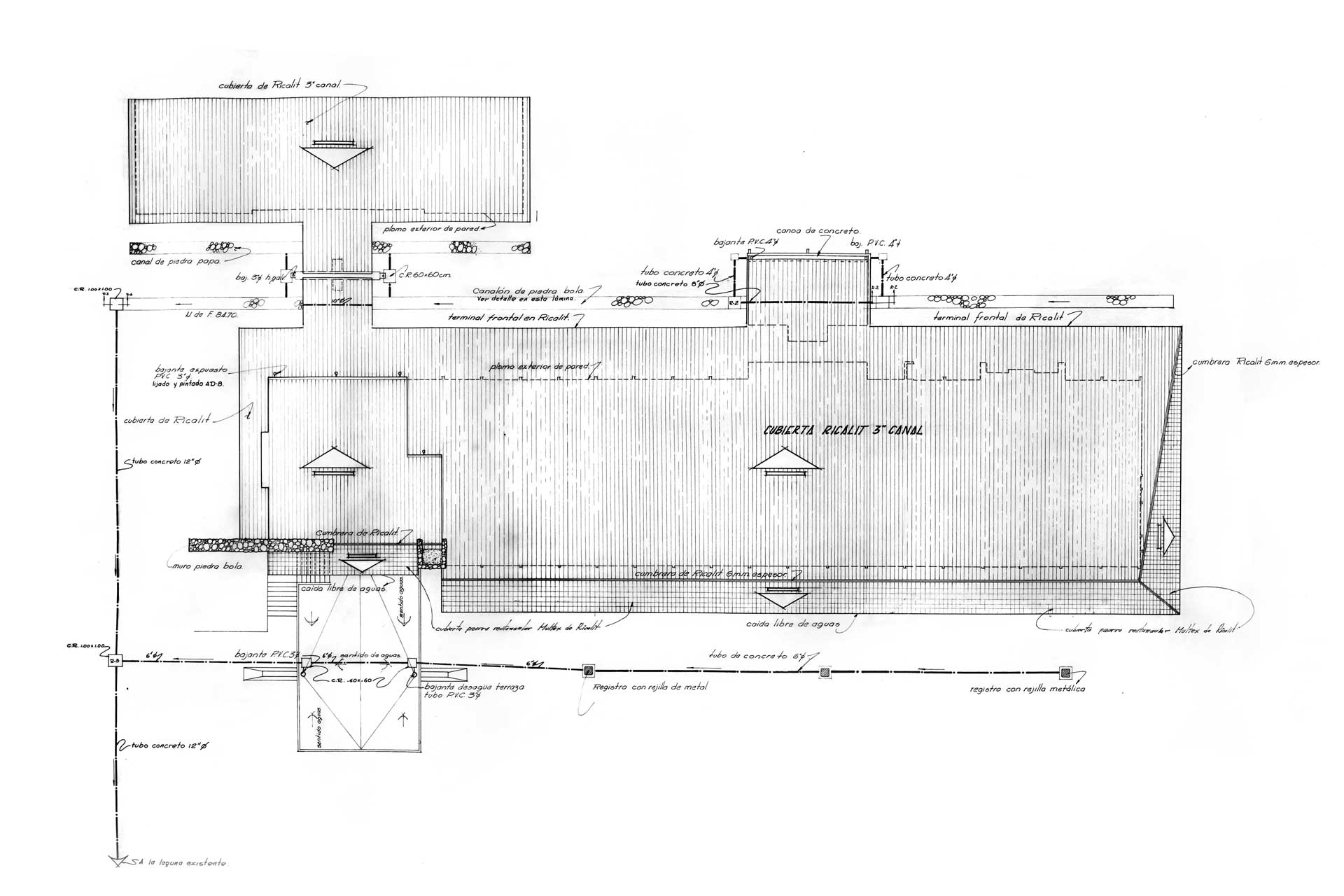
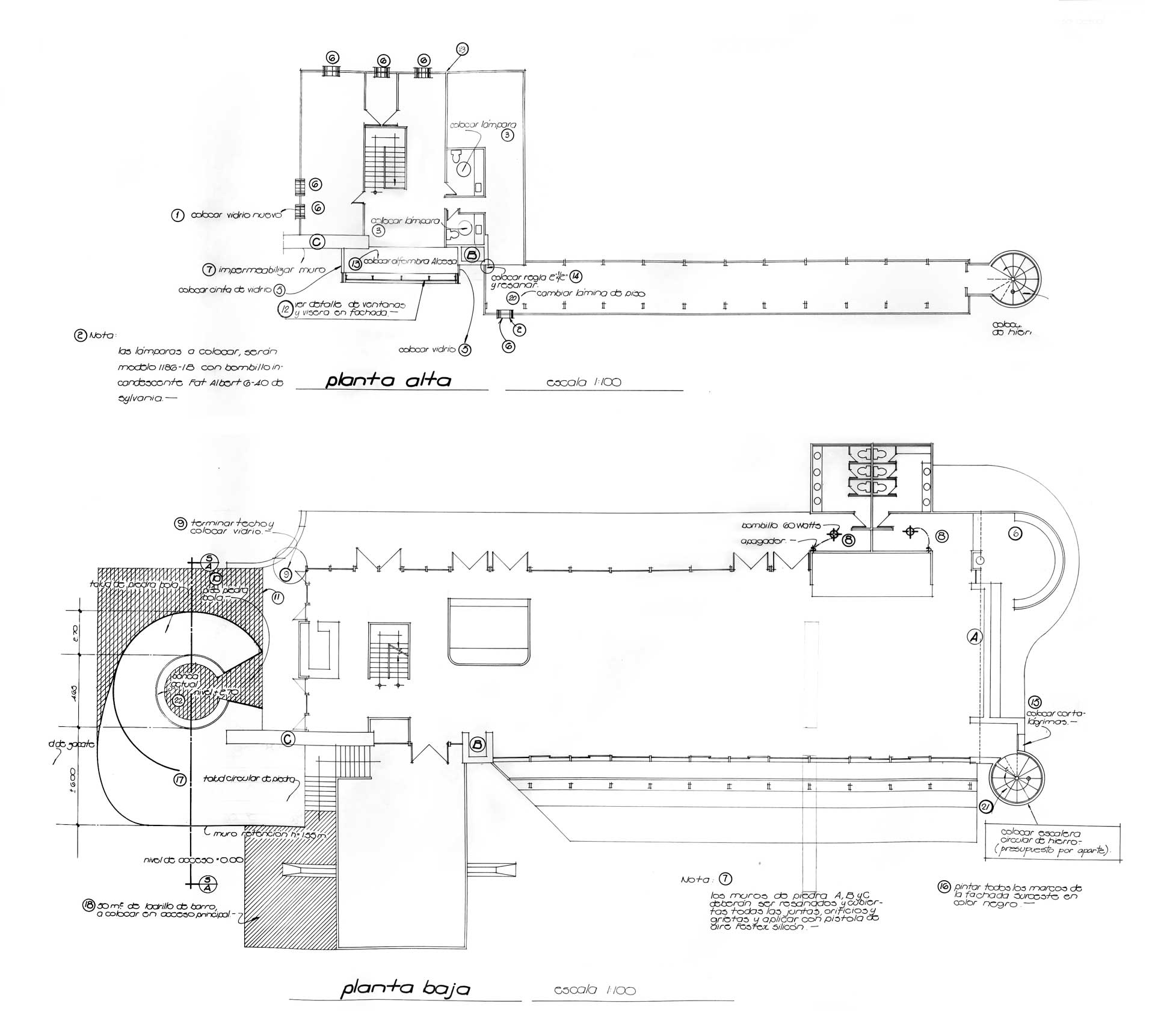
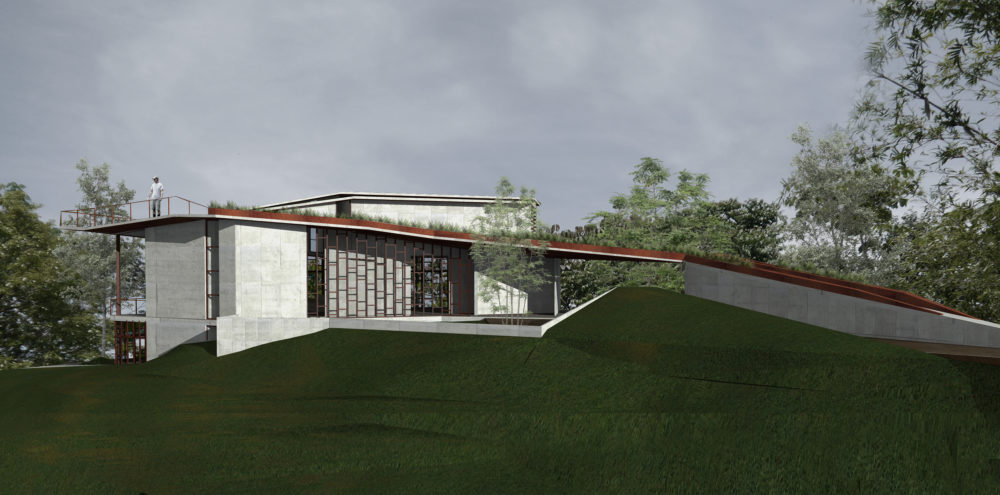
The Colegio de Ingenieros Agrónomos owns a property in the heart of Moravia offering its members sports, recreational, and event facilities. The main building sits on a small hill at the southwest edge of the grounds, opening visually over the green areas below — architecture that, true to Beer’s recurring idea, emerges from the landscape rather than sitting upon it.
The hillside slopes become integral to the building: stone cladding ascends the talud, transitions into the building’s walls, and continues upward as vertical mass — the same stereotomic logic present in Ocotal, where the base is inseparable from the earth it grows from. Access happens in two ways, a duality that is essential to the experience of the project: an organic exterior stair carved heavily into the terrain, or an interior vestibule subtracted from the base leading to a lightweight steel stair where the treads suspend from the balustrade. The same building, two entirely different spatial and material registers.
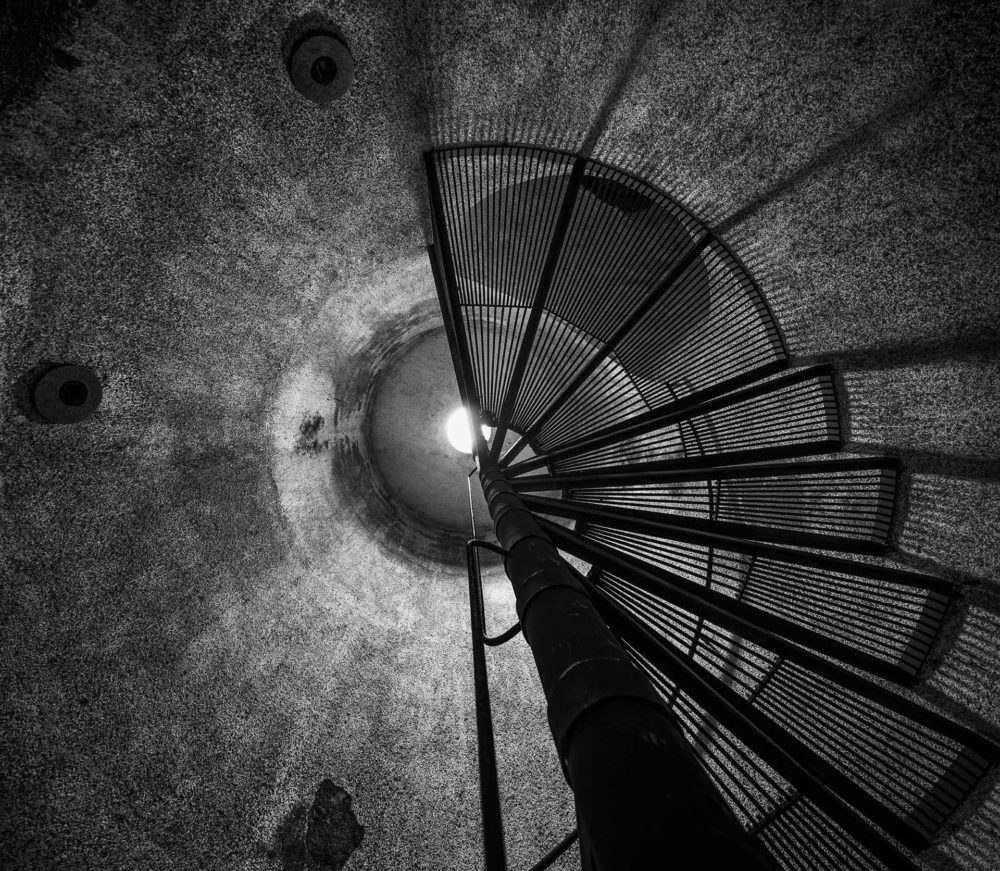
The main program is an events hall enclosed between stone and glass walls, protected by a highly articulated timber and steel roof. Steel appears only as the connective element between the two dominant materials, but its red color gives it a spatial presence and a mnemonic charge disproportionate to its structural role. A spiral stair acts as vertical counterpoint to the intentionally horizontal building — its ascent through a cylinder lit only by a small circular skylight, followed by passage through a low oval tunnel that requires you to stoop before entering the mezzanine, gives the upper level an almost forbidden quality, sacred even, that the main hall below does not prepare you for.
The large roof conceals a third floor of offices, revealed only by elongated windows composed within the roof plane. The timber structure extends laterally beyond the building’s edges, binding the heavy base and the light canopy into a single continuous gesture toward the landscape.
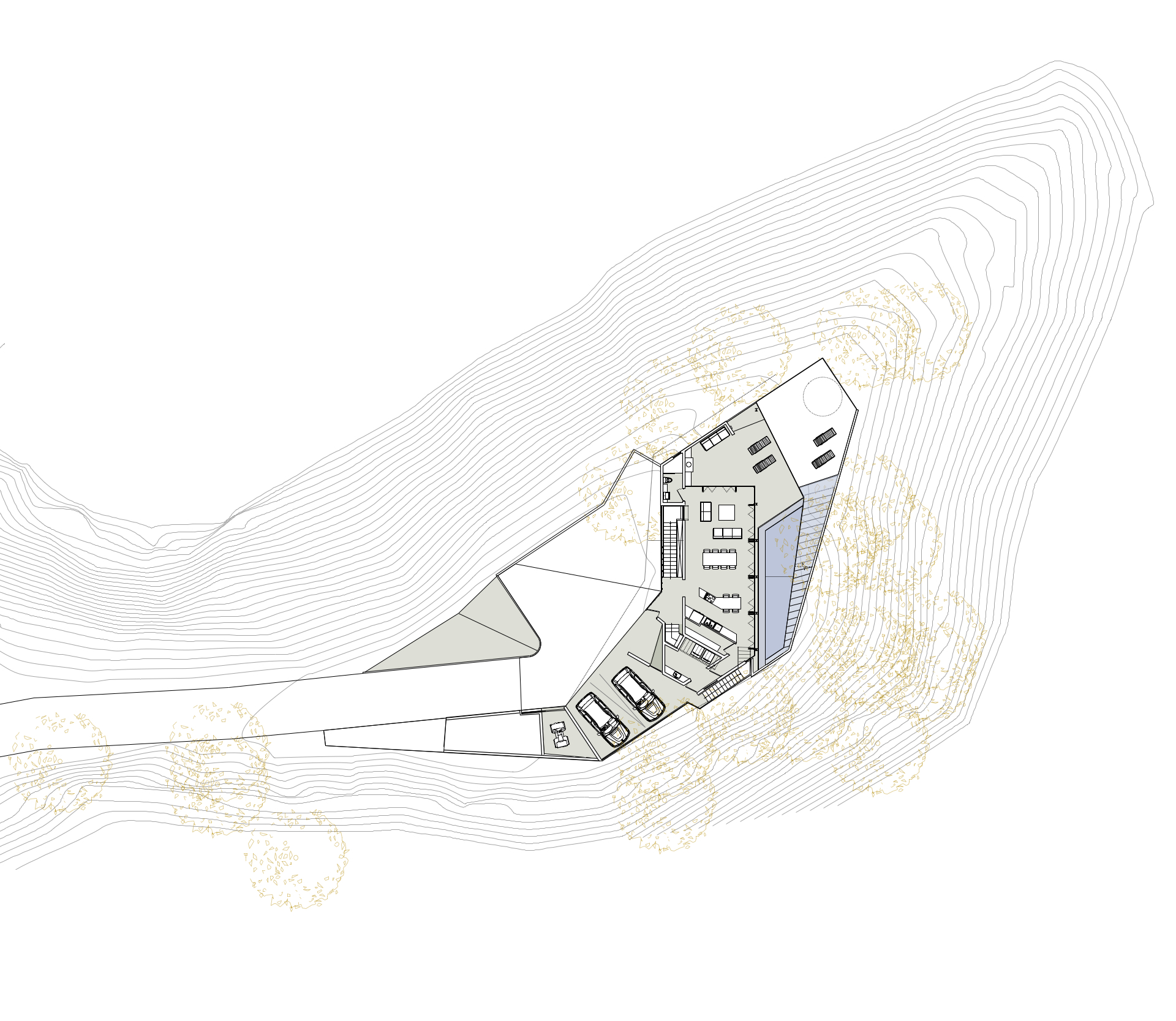
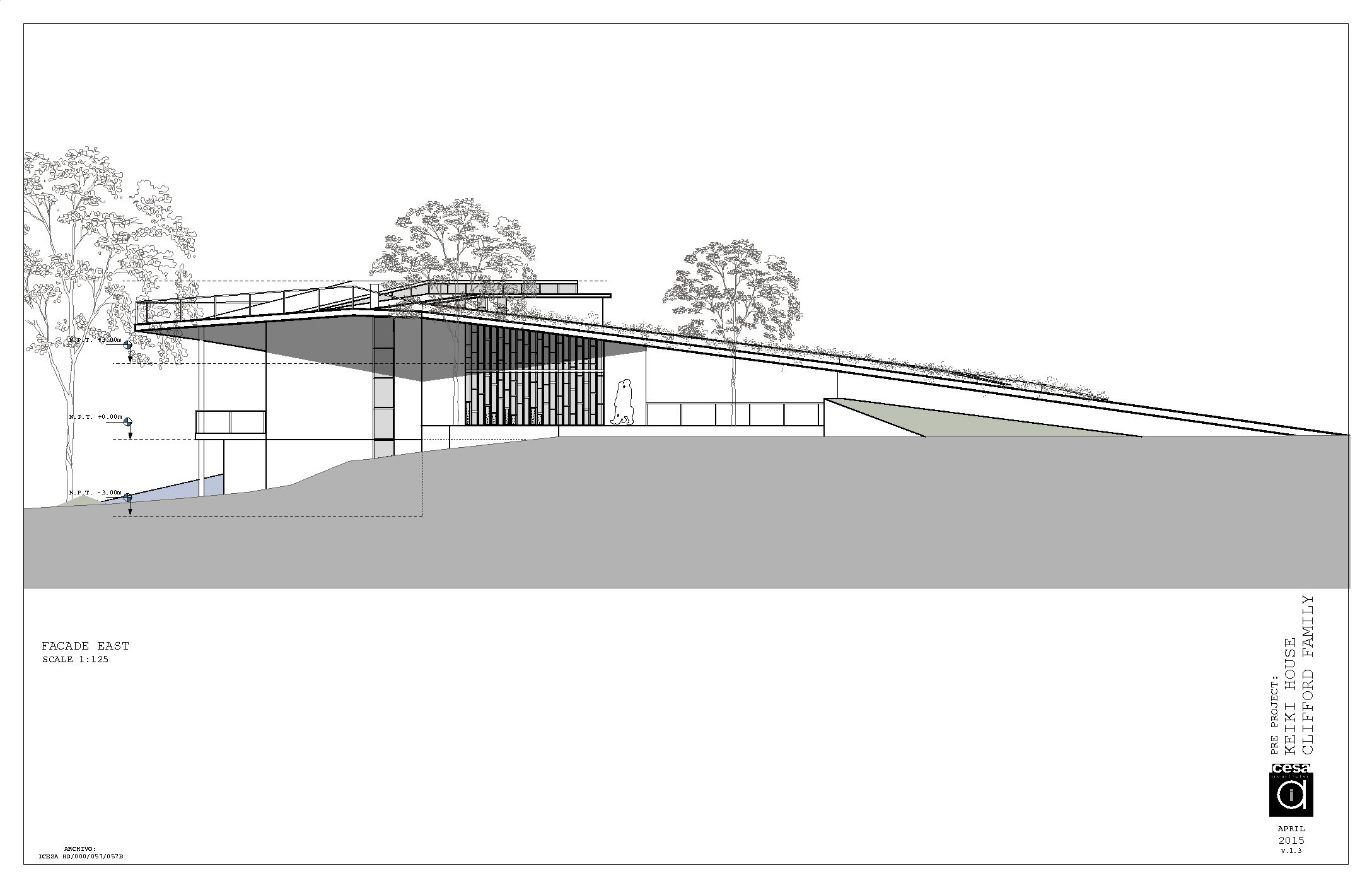
Exposed Concrete Organic House in Uvita, Puntarenas, Costa Rica. The house follows the contours of the mountain. The greenroof is a terrific terrace with outstanding views both towards Bahía Ballena and the adjacent canopies. The pool flows with the topography creating waterfalls artificial waterfalls.
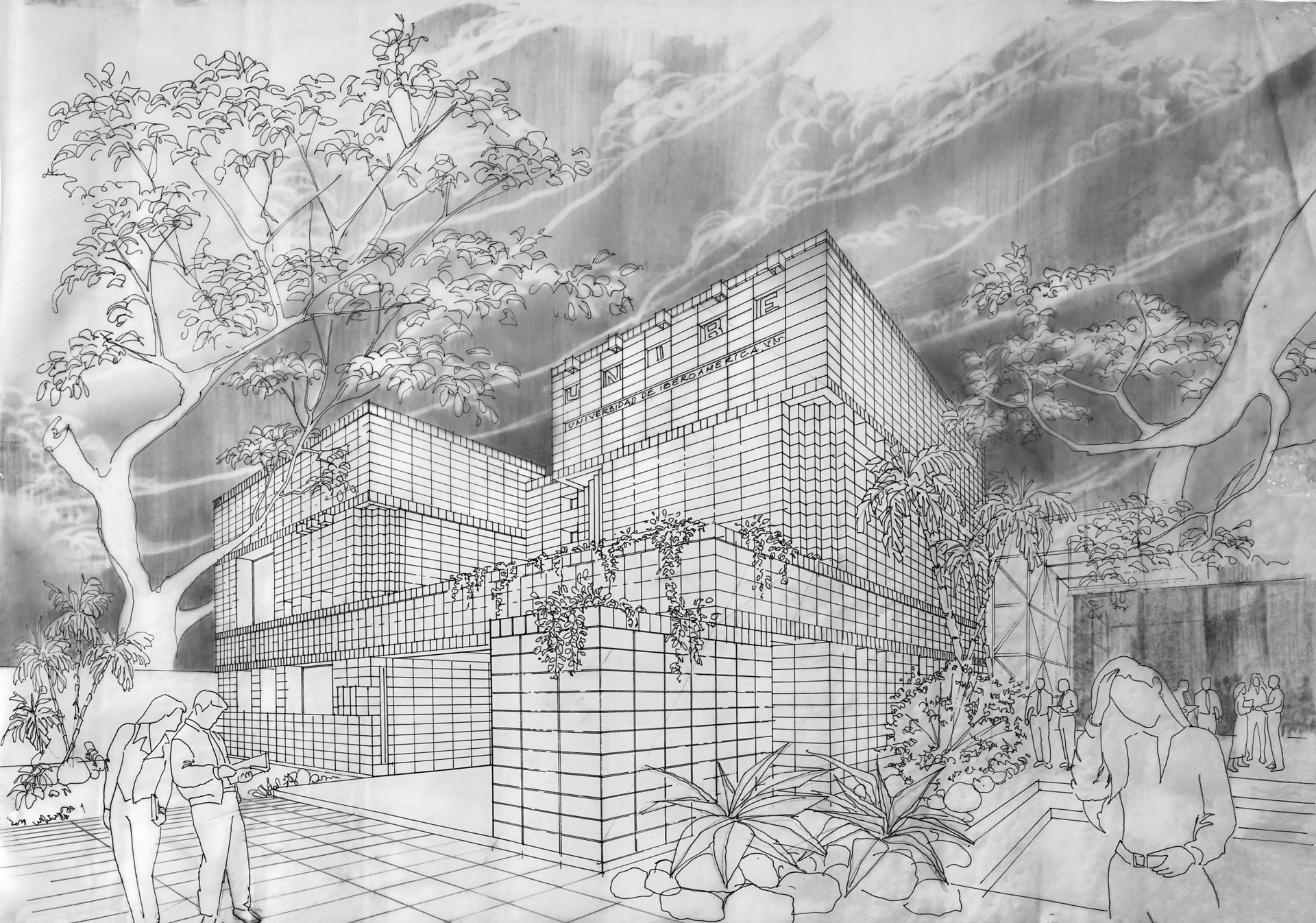
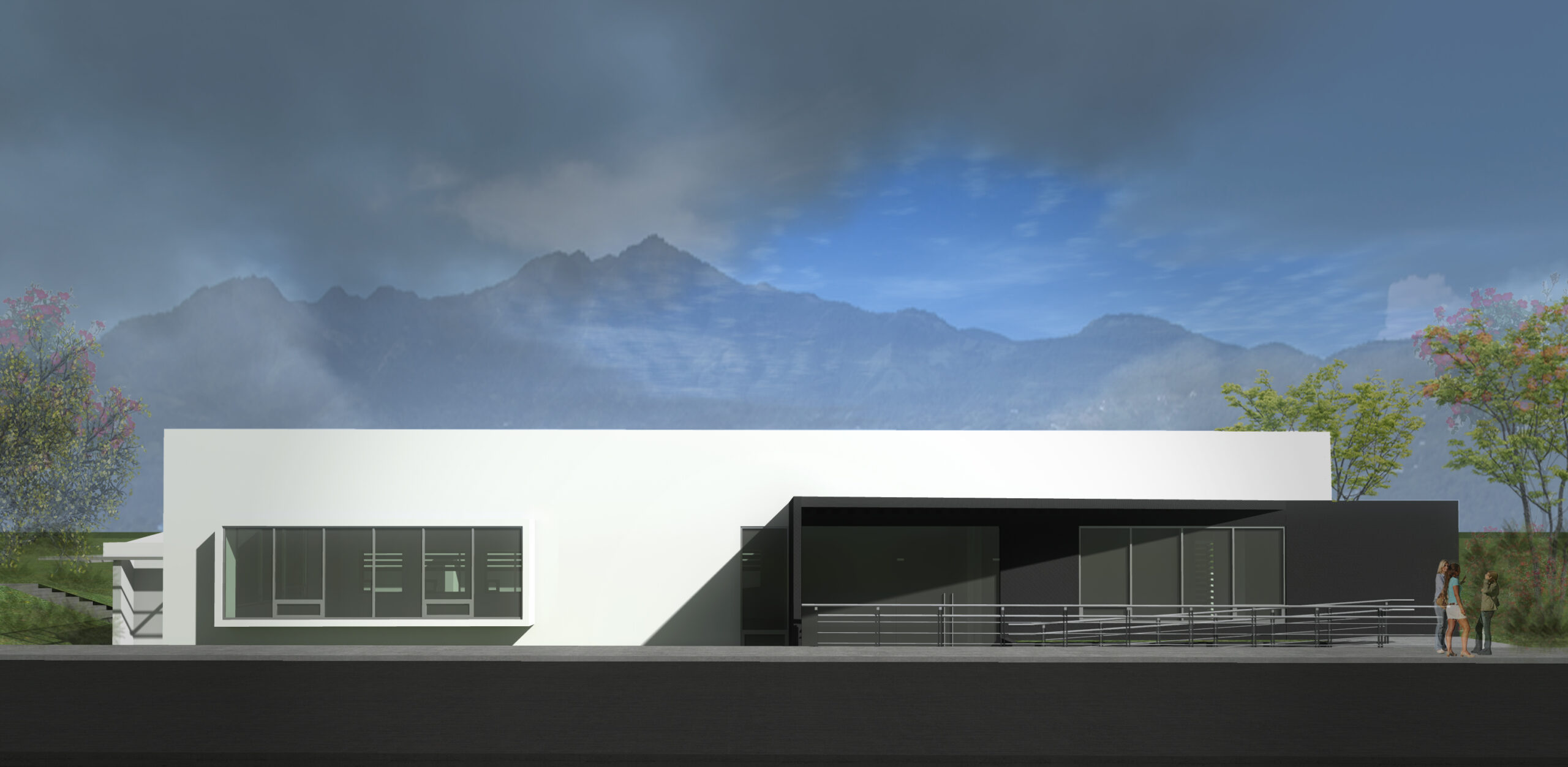
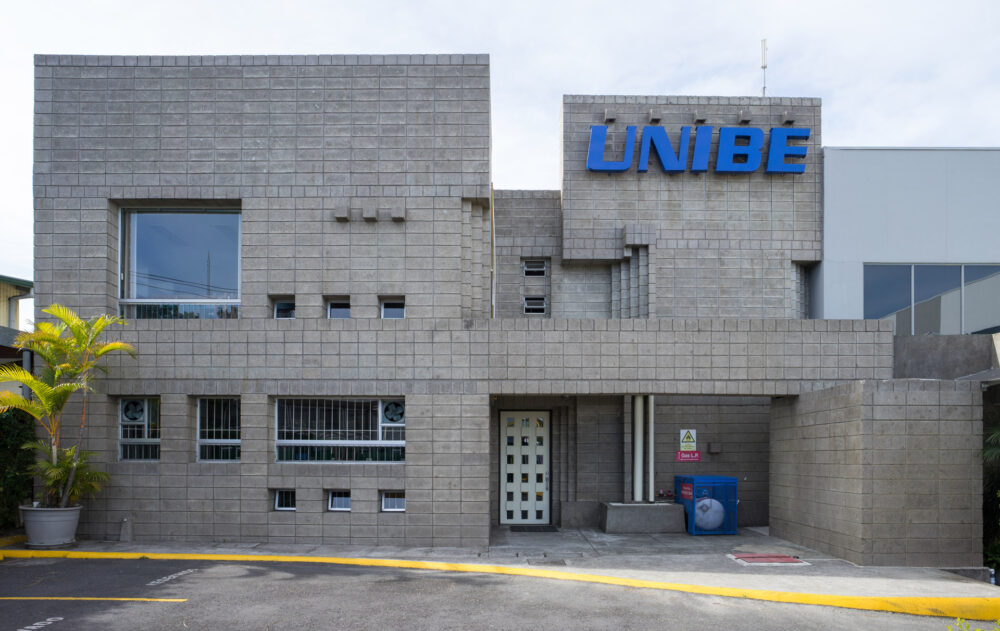
Das Laborgebäude der Universidad Iberoamericana ist eine von mehreren ICESA-Interventionen auf diesem Campus für Gesundheitswissenschaften – eine Arbeit, die den gesamten Masterplan, die Ambulanzklinik, den Labornebenbau und eine Reihe von nachfolgenden Renovierungen des Hauptgebäudes umfasst. Zusammen repräsentieren sie einen anhaltenden Dialog zwischen dem Unternehmen und der Institution im Laufe der Zeit.
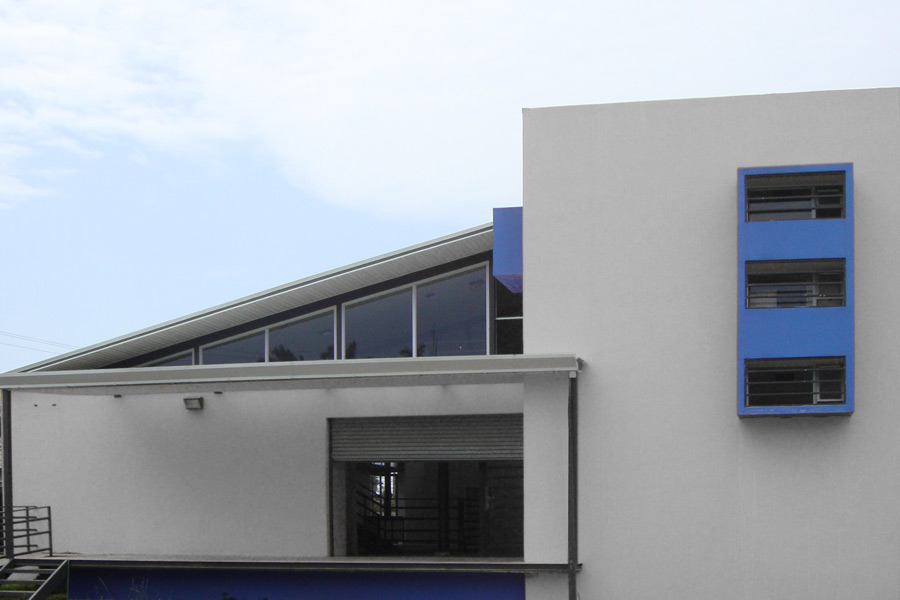
Der Laboranbau selbst ist ein kleines Volumen aus Sichtbeton, das an der nordwestlichen Ecke positioniert ist und sich neu gestaltet, um Studenten unter einem großen Balken aufzunehmen – einer, der sich nach Westen erstrecken und drei Gebäude verbinden sollte: die Labore, das Hauptgebäude und die ambulante Klinik. Der spätere Bau setzte diesen Plan nicht vollständig um.
Das Gebäude ist um einen zentralen Korridor organisiert, mit drei Laboren auf der einen Seite und Nebenräumen auf der anderen, die sich auf jeder Etage wiederholen. Innerhalb der Beschränkungen eines kleinen Grundstücks ergibt sich die architektonische Qualität fast ausschließlich aus der Materialgestaltung: An der Außenseite tritt der Block zurück, um den Eingang zu formen; im Inneren werden Reihen von Blöcken subtrahiert und addiert, um die allgemeine Beleuchtung des Gebäudes zu integrieren und jede Wand in eine Fläche aus Licht und Rhythmus zu verwandeln. Türfarben dienen als Wegleitsystem und kontrastieren mit dem allgemeinen Grau des Betons. Selbst der Raum unter der Treppe wird als informeller Besprechungs- und Lernbereich genutzt.
Die Fenster lesen sich als präzise Perforationen innerhalb eines proportionalen Feldes – eine dynamische kompositorische Struktur, die heute nur noch teilweise sichtbar ist. Trotz der Veränderungen, die es im Laufe der Jahre erfahren hat, ist das Gebäude mit der Würde gealtert, die seine freiliegenden Materialien ursprünglich versprachen.

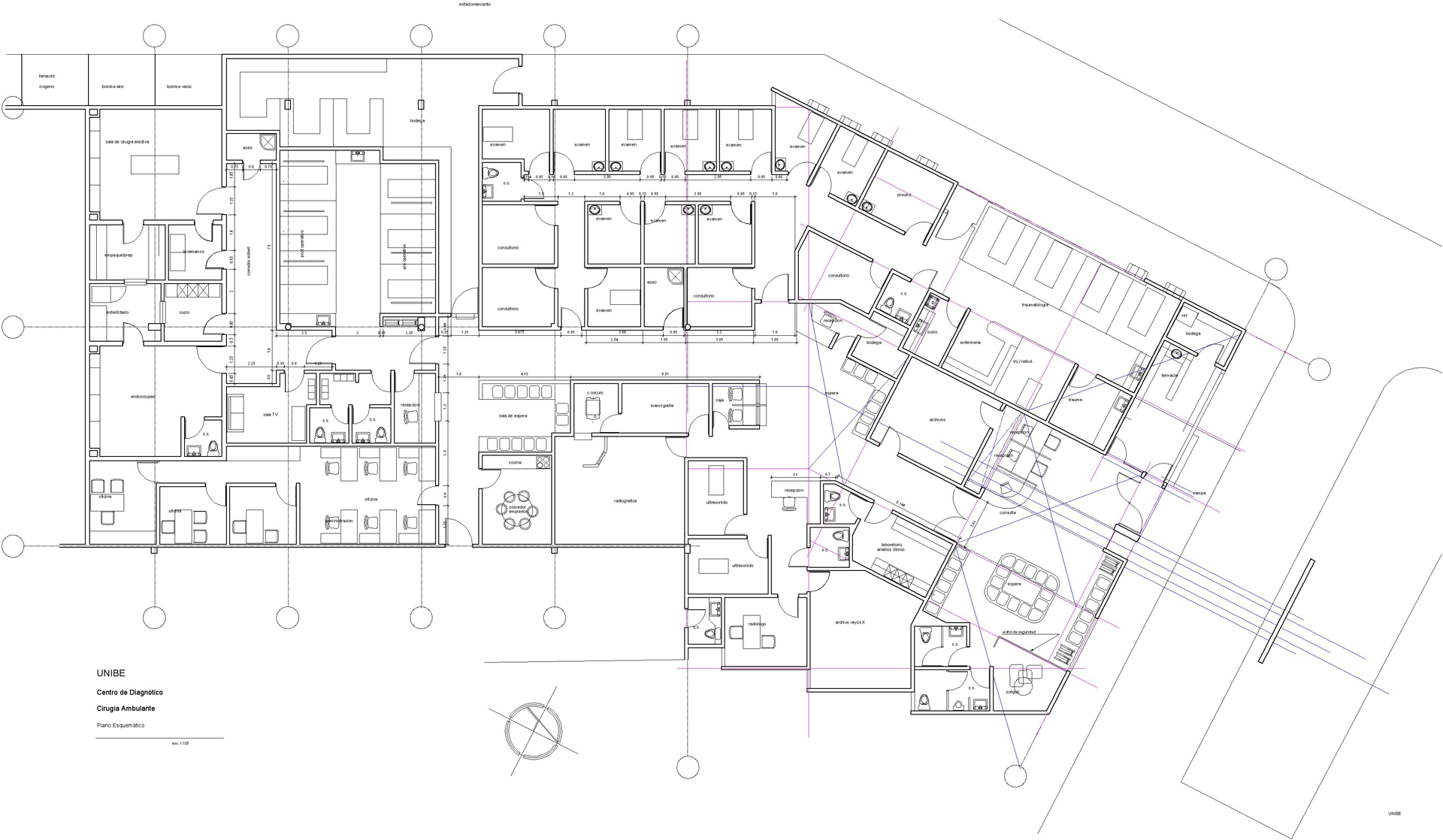
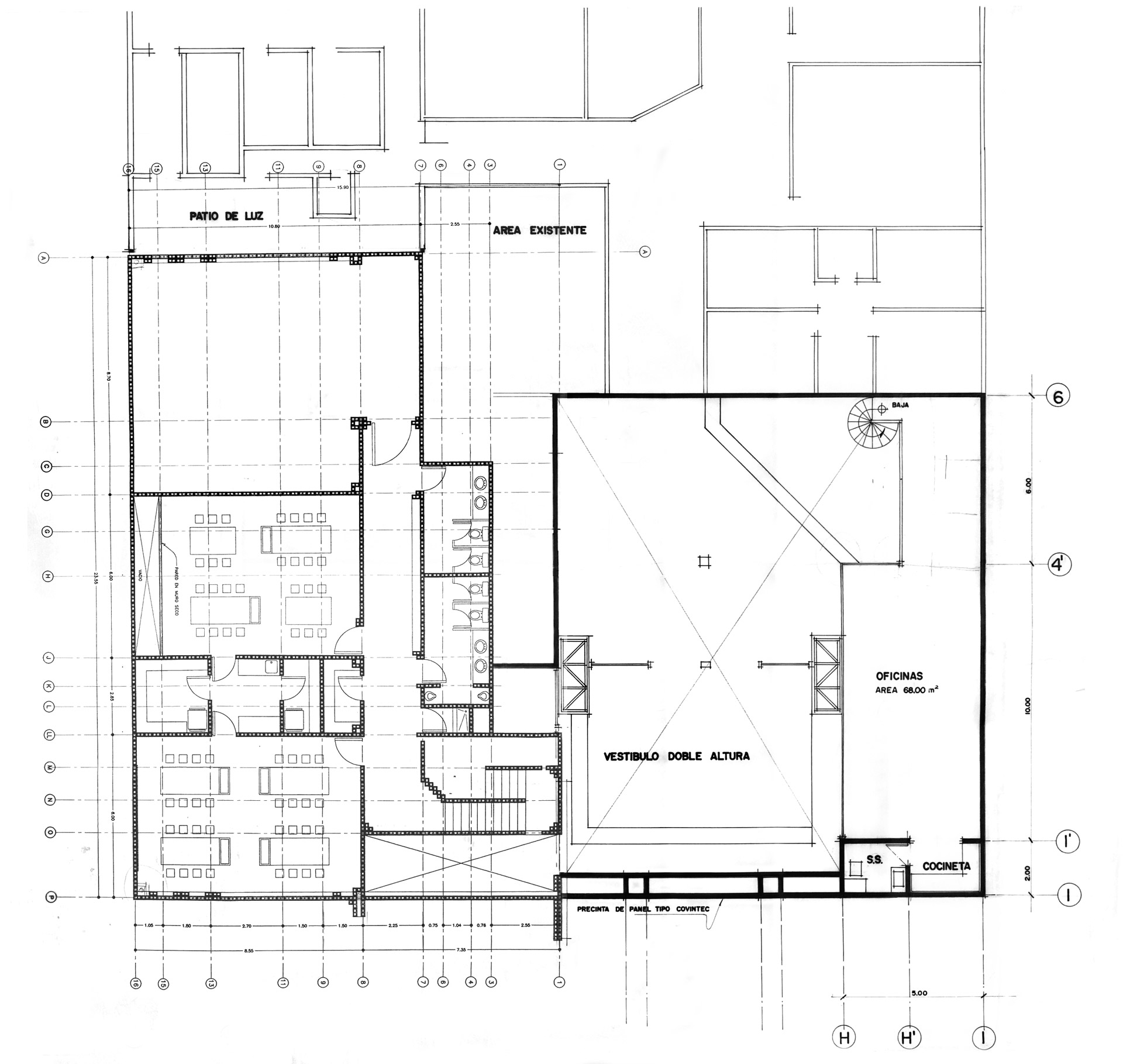
Vollständige Projekte
2017
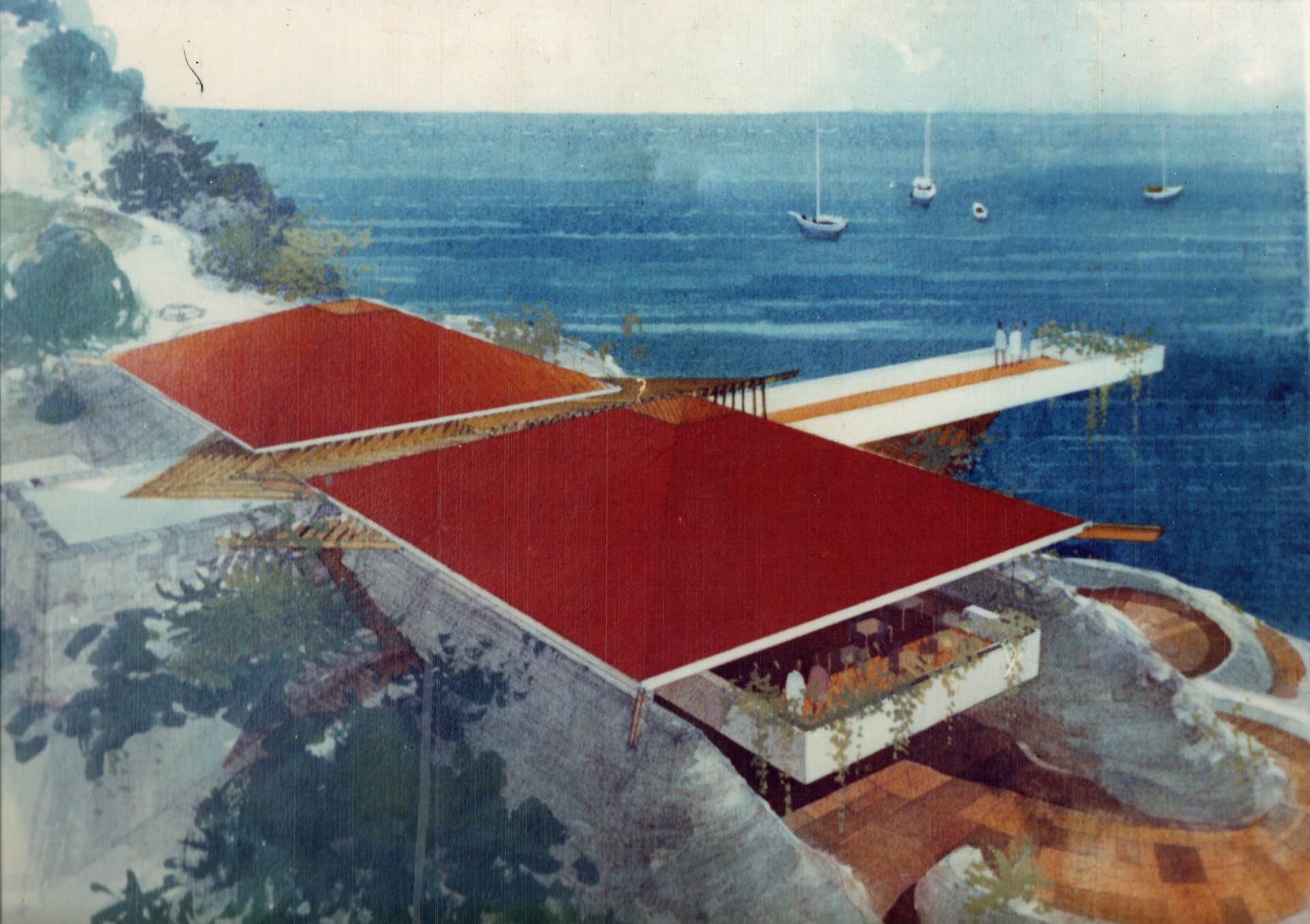
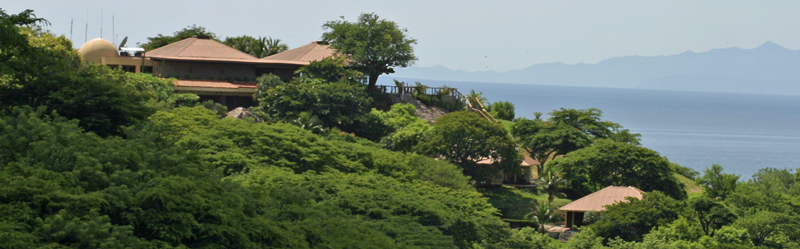
Ocotal is a tourism development on the Papagayo Gulf in Guanacaste, set on a property of varied topography with views across the Pacific and into the surrounding dry forest. The masterplan distributes hotels, guest buildings, and recreational facilities along sinuous roads that follow the terrain, with residential parcels woven between them.
The tip of the bay is held by the main recreation and community building, which emerges from a large stone plinth — active programs housed within the base, contemplation and gathering above. The plinth resolves the topography and anchors the building to the hillside while opening a 270-degree panorama over the water. Above it, a linear plan with perimeter circulation under generous overhangs creates a continuous interior space where distinct areas are defined by the rhythm of interconnected timber roofs rather than by walls. The formal composition balances three elements — lightweight roof structure, stone base, and rendered volumes — the last of which, explored in early design as dramatic cantilevers breaking the main geometry, settle into the primary structure as sculptural counterpoints, most legibly in the domed entry vestibule.
Descending the hillside, private guest buildings step repetitively into the terrain — square in plan, with truncated pyramidal roofs that emerge among the dry forest trees.
Along the beach, the plan proposed a long, zigzagging hotel whose geometry doubled in the roofline and whose inflection points created large triangular courtyards opening toward Ocotal’s black sand beach. This portion was not built, but it represents the project’s most explicit use of field geometry as a landscape-responsive planning tool.
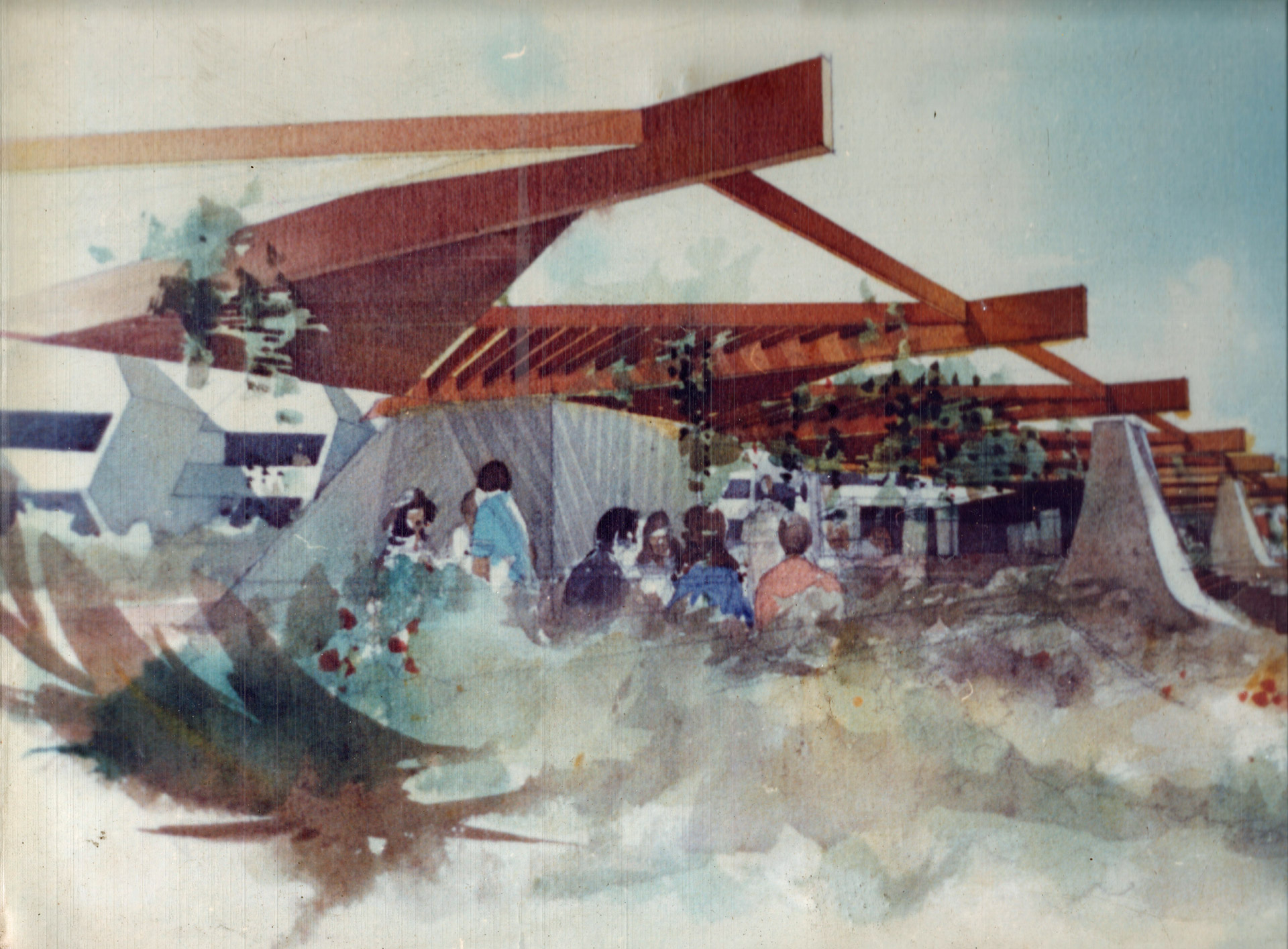
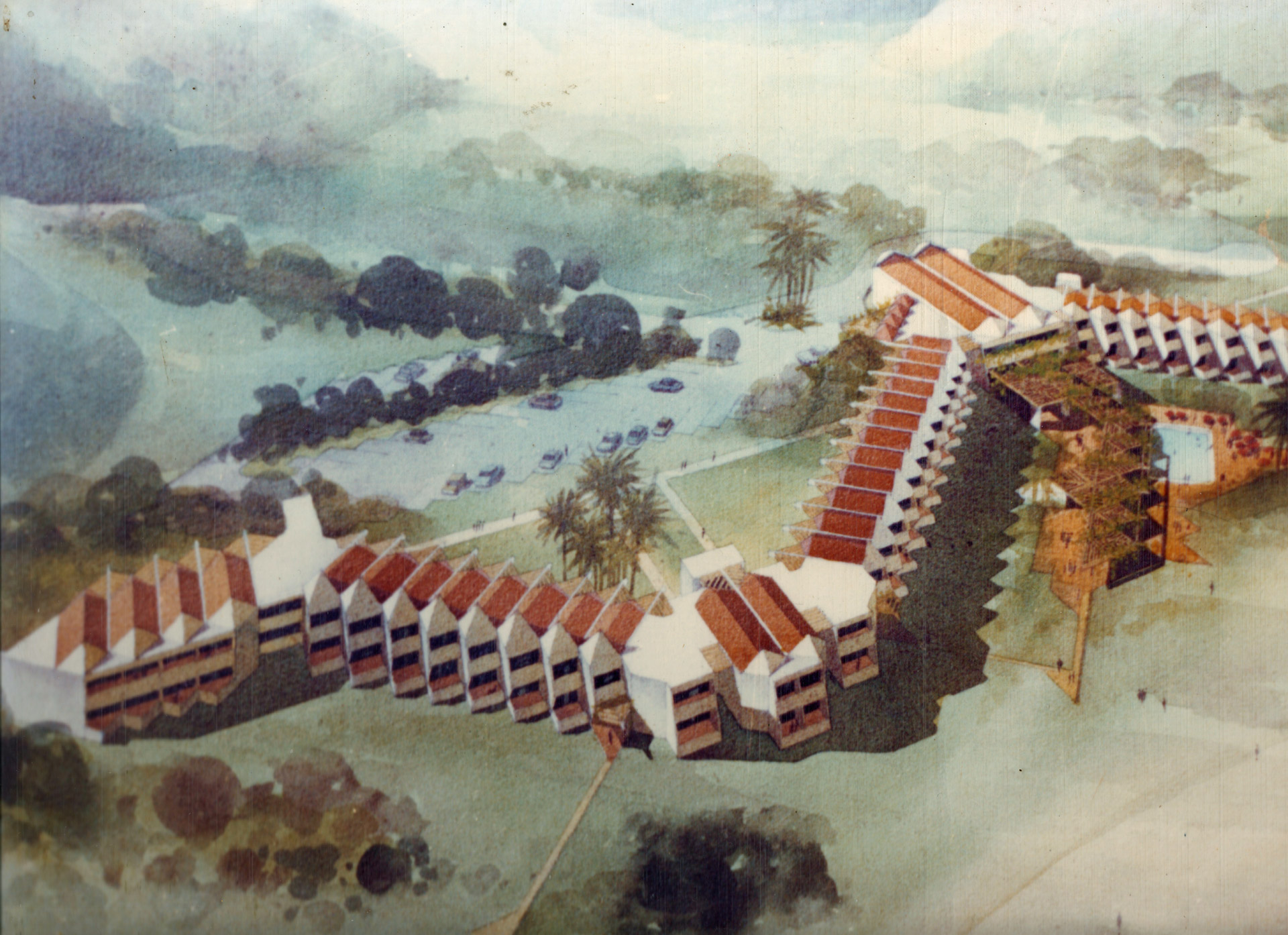
1980
Gastfreundschaft - Innenbereich - Masterplanung - Gemischte Nutzung - Wohn - Stadtgestaltung
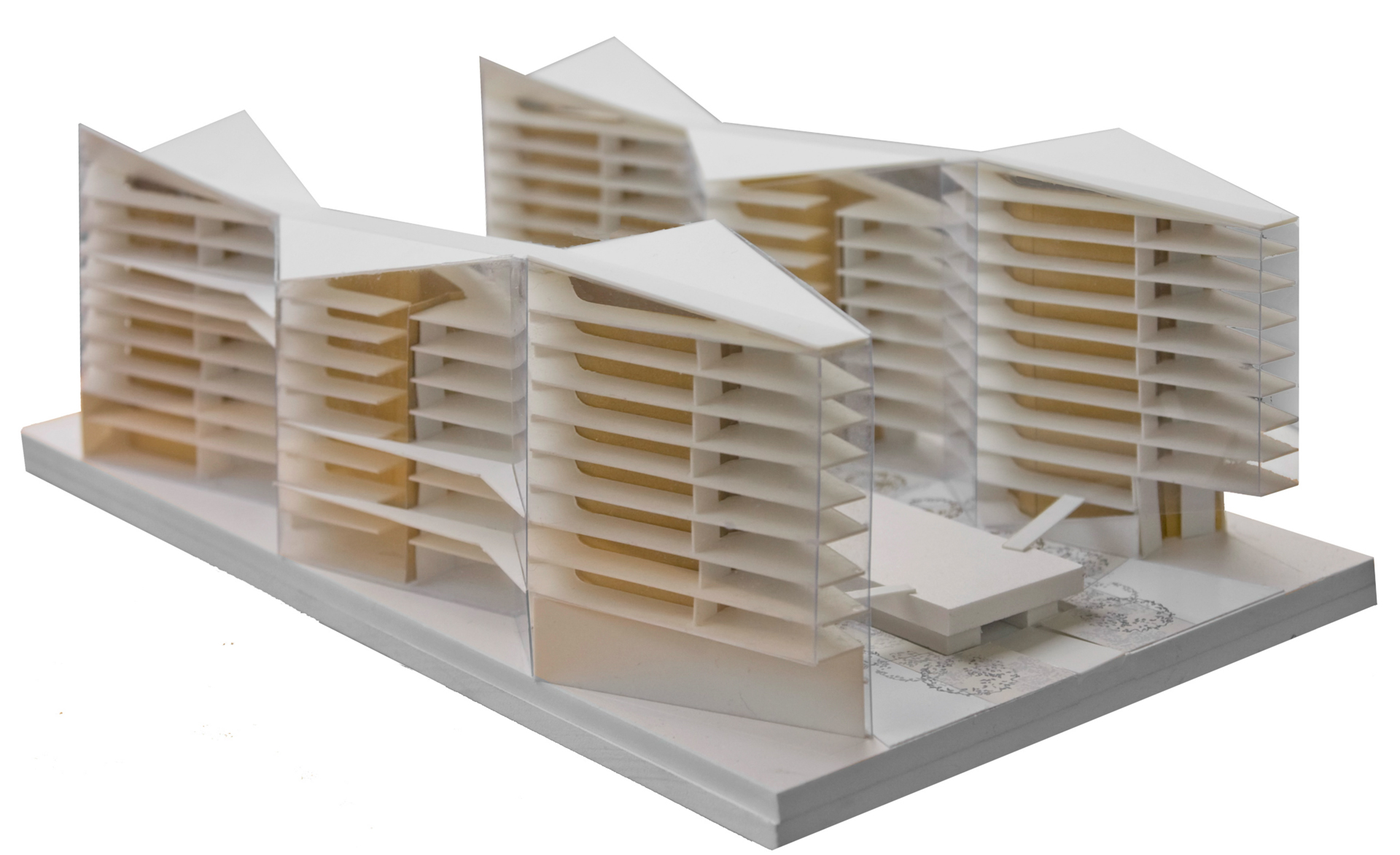
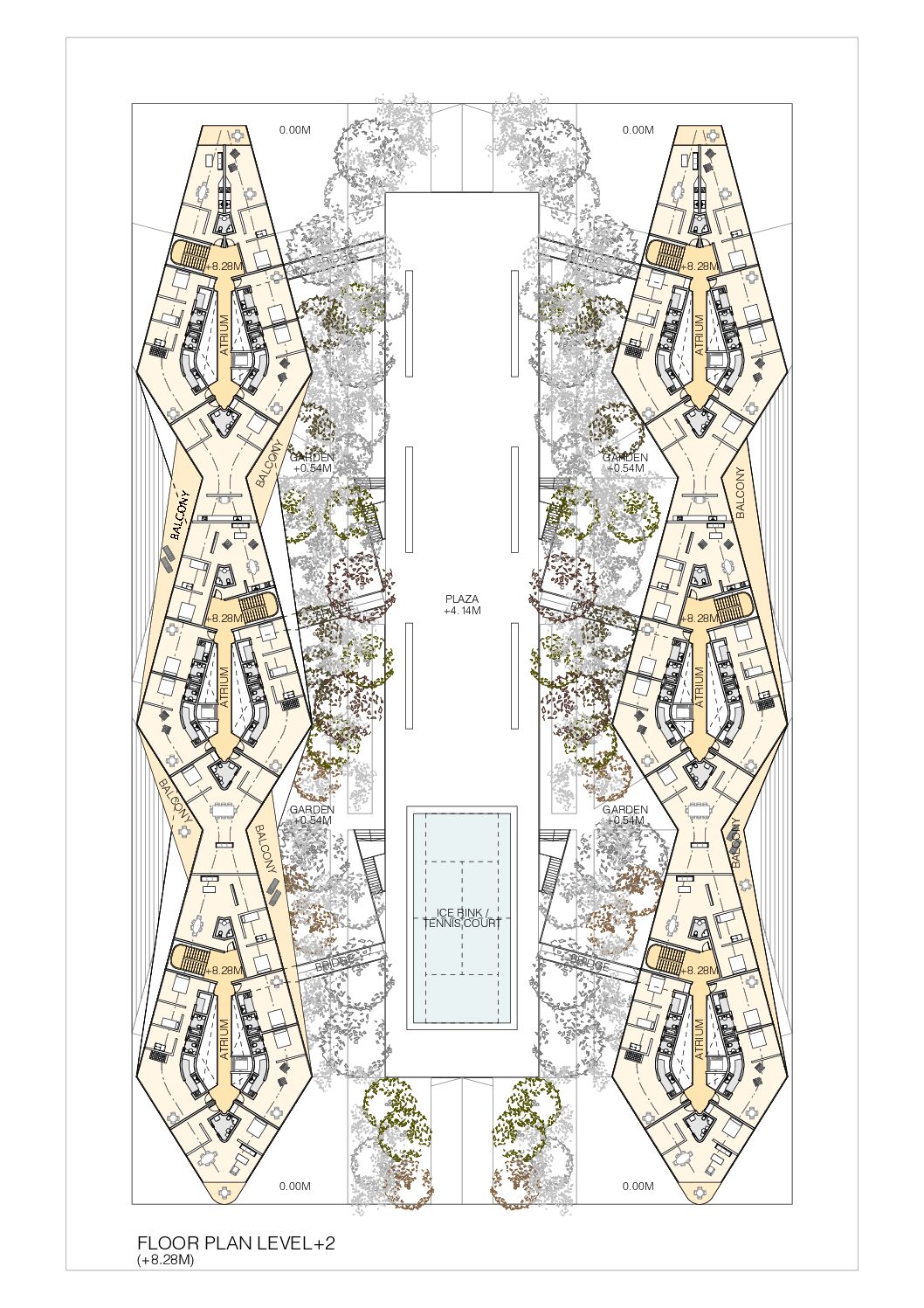
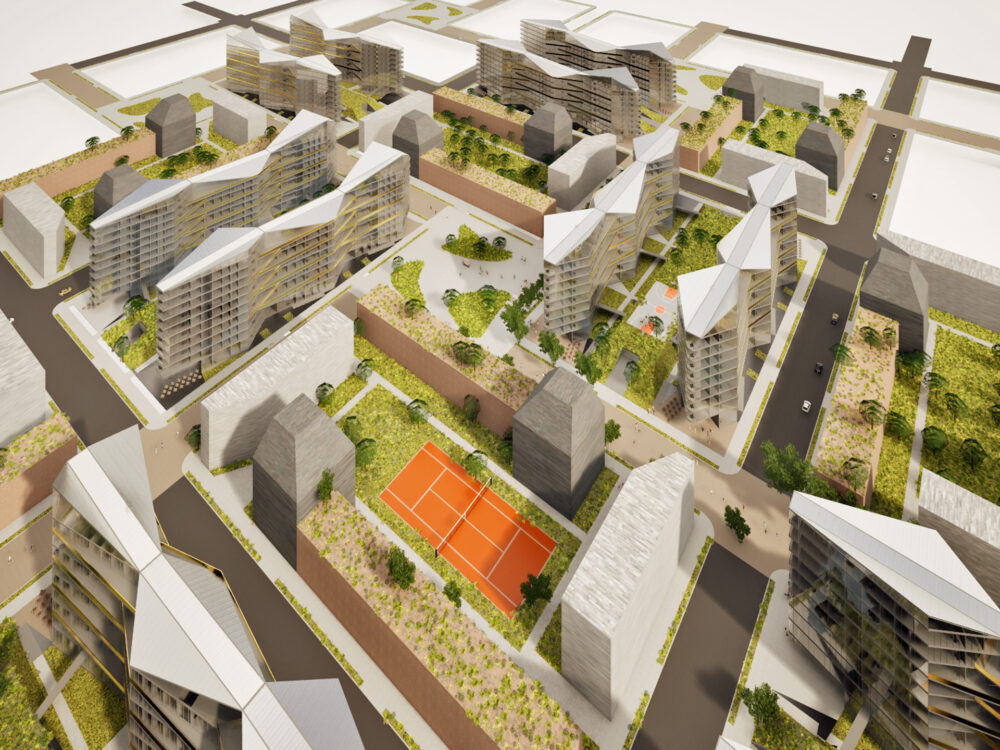
Developed for the A101 Urban Block competition, Jagged treats the standard rectangular block not as a fixed building envelope but as an urban operating system. Starting from the competition’s constant grid, the proposal adopts a logic comparable to the Super Manzana, interlacing three distinct yet complementary grids: one dedicated to pedestrians and public transport where commerce and civic life concentrate, a second devoted to greenery and recreation operating at a quieter pace, and a third accommodating private vehicular movement. At the scale of 500 × 500 m mega-grids, this structure ensures that every block remains within walking distance of daily services and public amenities.
Within the block, the pedestrian grid connects surrounding streets through a sequence of square plazas organized as a pinwheel-cross, establishing clear public spaces and legible urban continuity. Parking is consolidated below, allowing the recreational grid to occupy the block’s center as a continuous green landscape above the garages. Residential buildings are accessed by bridges that connect directly to this shared interior open space, reinforcing a clear hierarchy between public, collective, and private realms.
The housing is organized in linear buildings shaped by a jagged, zigzag geometry. This formal strategy folds the long facades without breaking their continuity, maintaining urban order while increasing daylight penetration, eliminating internal corridors, and introducing rhythm and variation along the street. Jagged strengthens the overall A101 framework by exploiting the freedom of the intermediate scale—the block—adding spatial richness, adaptability to orientation, and a robust balance between standardization and urban diversity.
A101 Moscow
2014
Gastfreundschaft - Institutionell - Masterplanung - Gemischte Nutzung - Wohn - Stadtgestaltung
CICANUM betreibt wissenschaftliche Forschung in den Bereichen Röntgenfluoreszenz, nukleare Elektronik und Kernphysik. Die Projekte sind interdisziplinär und liegen im Rahmen der nationalen Realität in den Bereichen Gesundheit, Landwirtschaft, Geophysik und Industrie. ICESA hat in Zusammenarbeit mit der Universidad de Costa Rica, Oficina Ejecutora de Proyectos de Inversión (OEPI), ein Nebengebäude für die Forschung und das Personal von CICANUM entworfen. Das Projekt wurde von FUNDEVI finanziert.


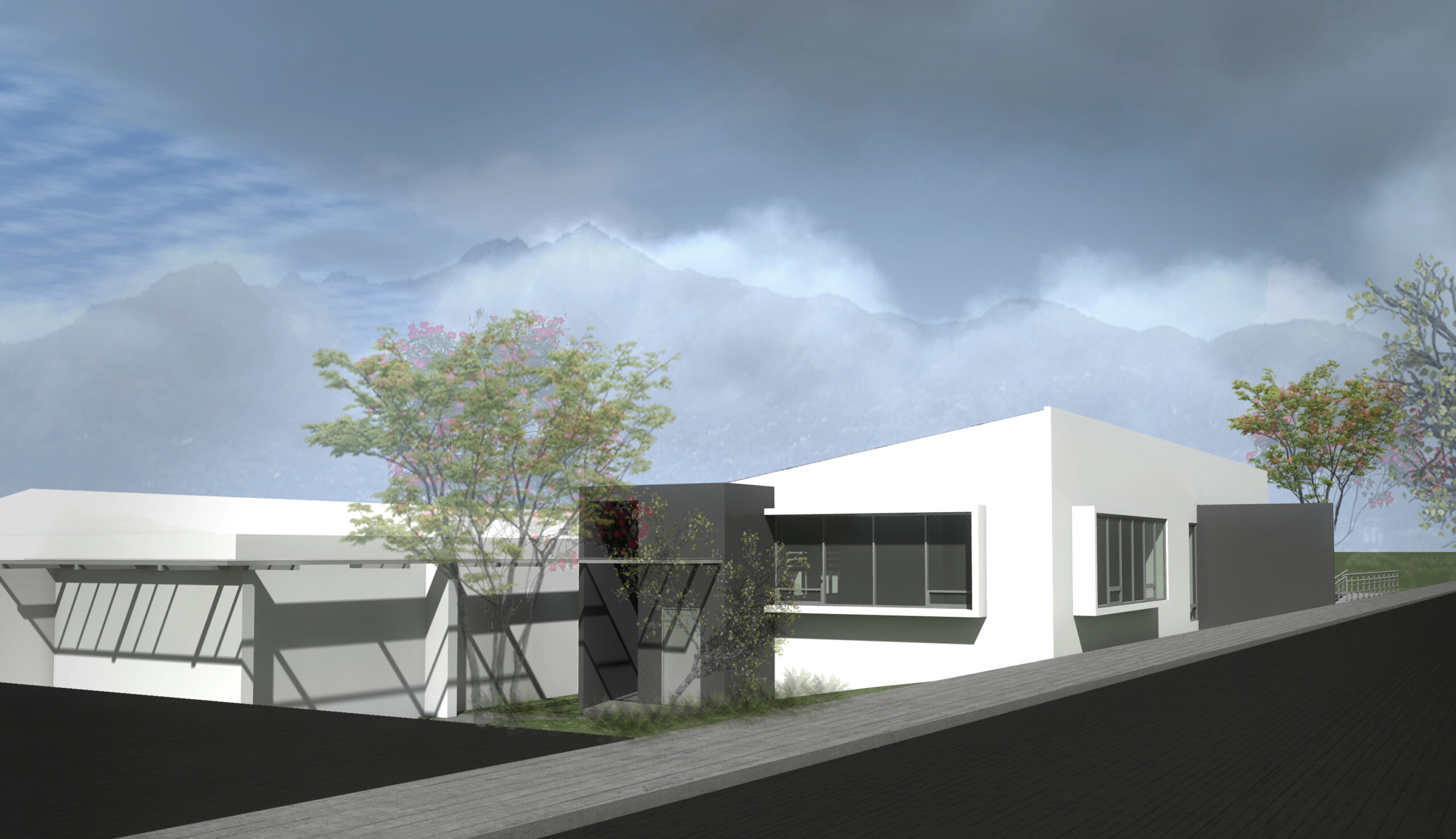
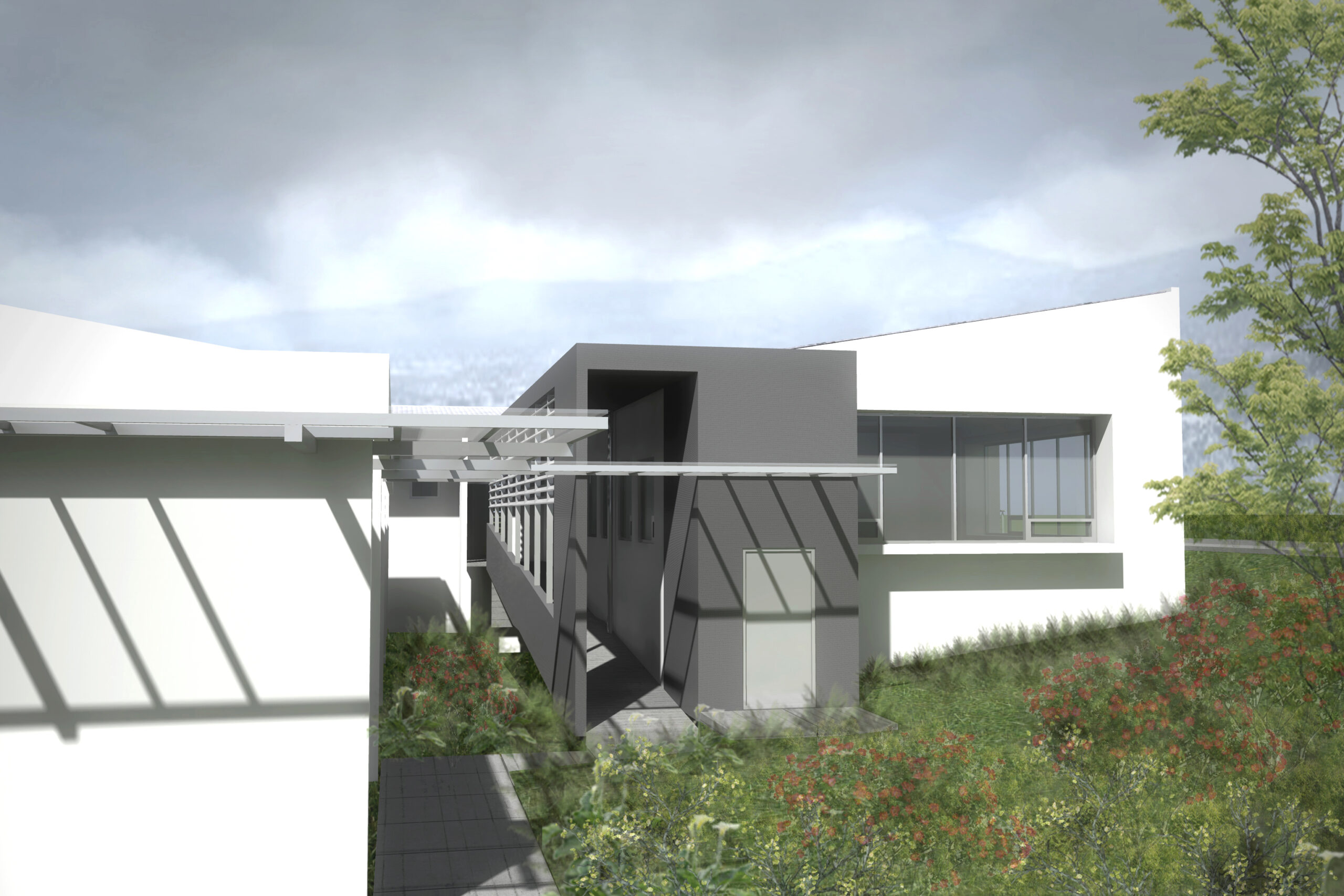
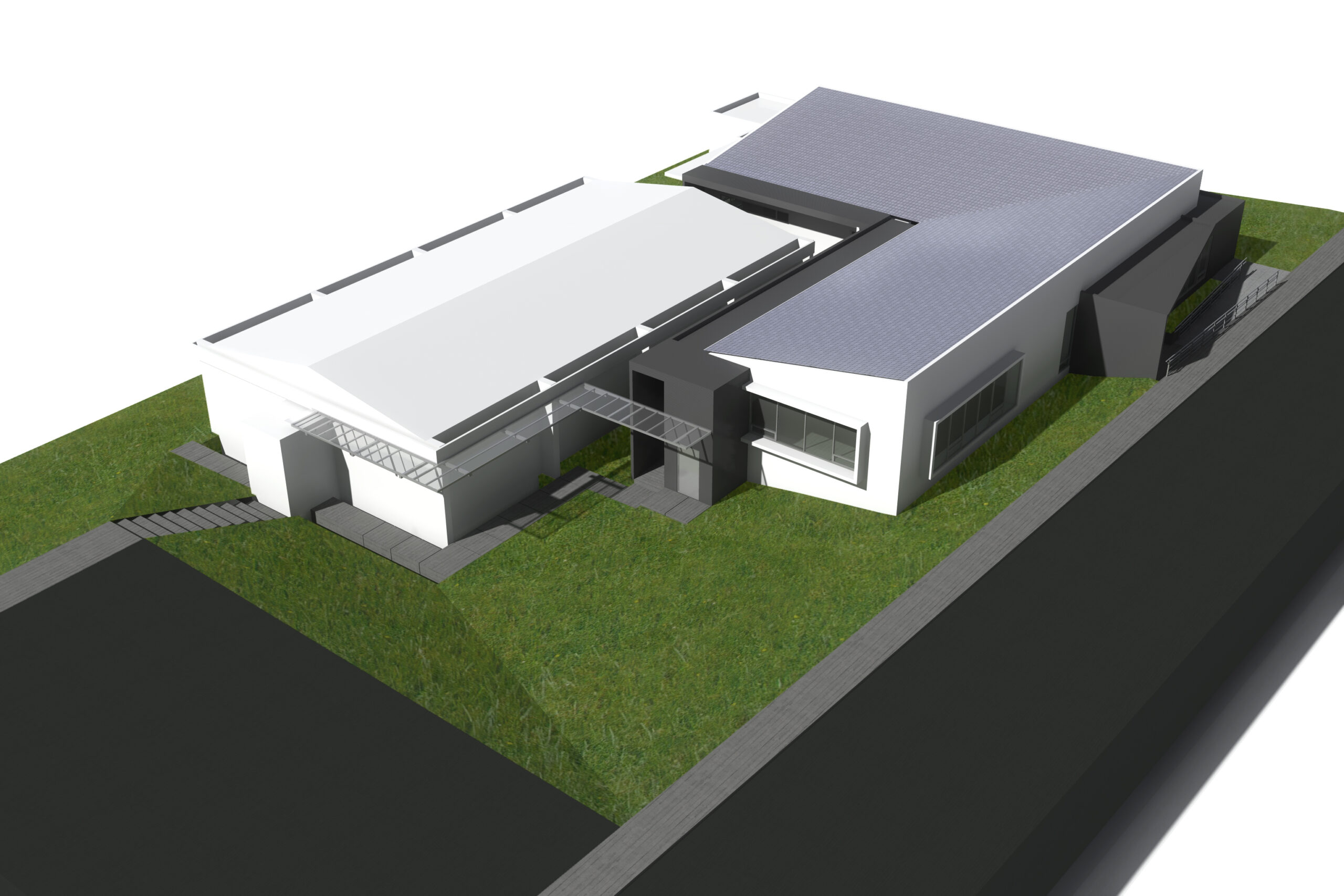
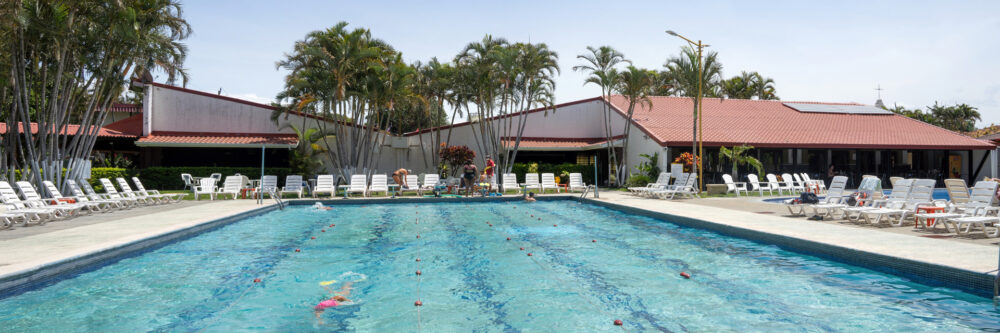
The Spanish Country Club is located in Belén, Costa Rica. The main spaces are organized around a squared central garden.
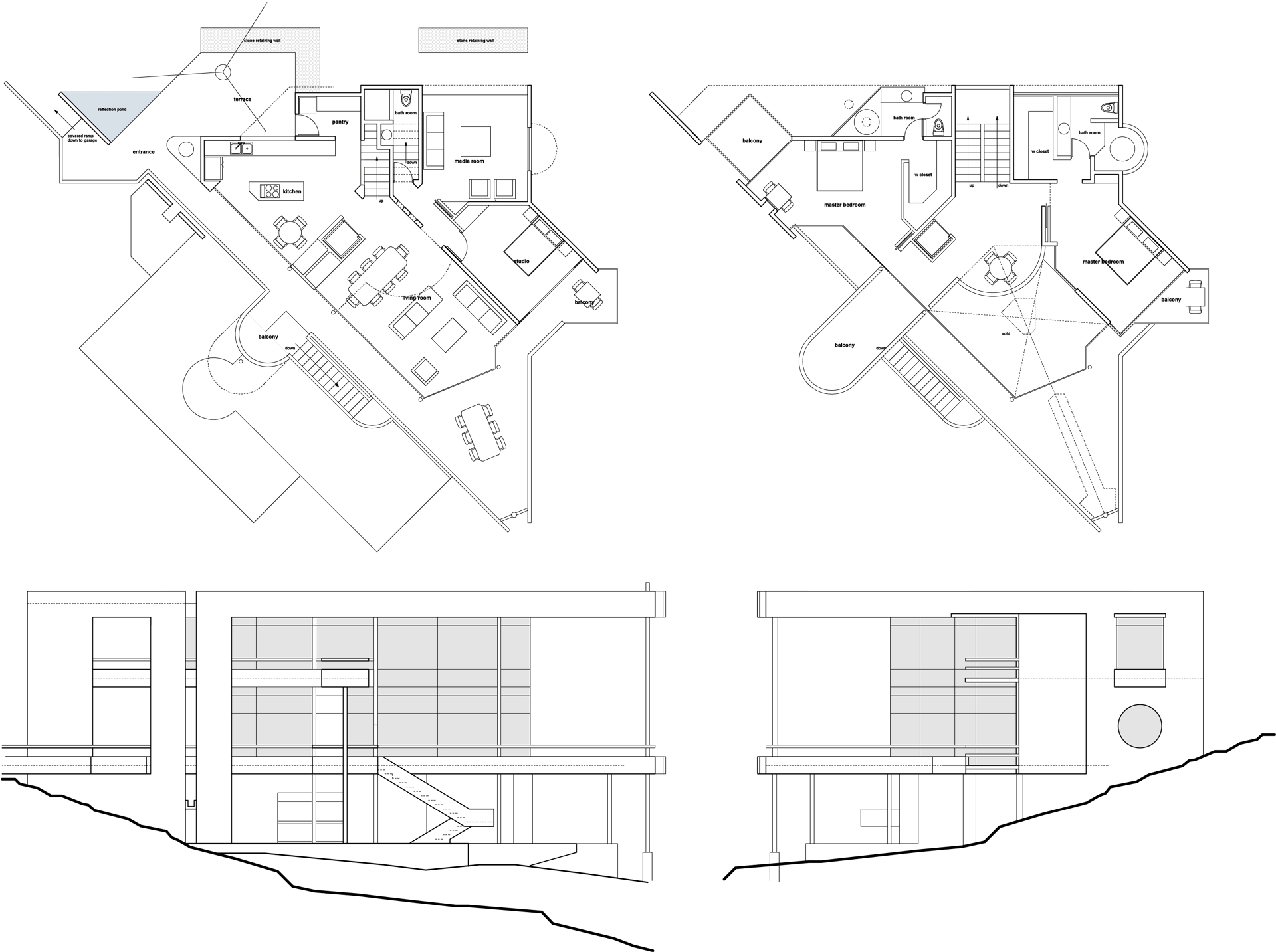
Club Campestre Español
1978
Gastfreundschaft - Masterplanung - Gemischte Nutzung - Stadtgestaltung
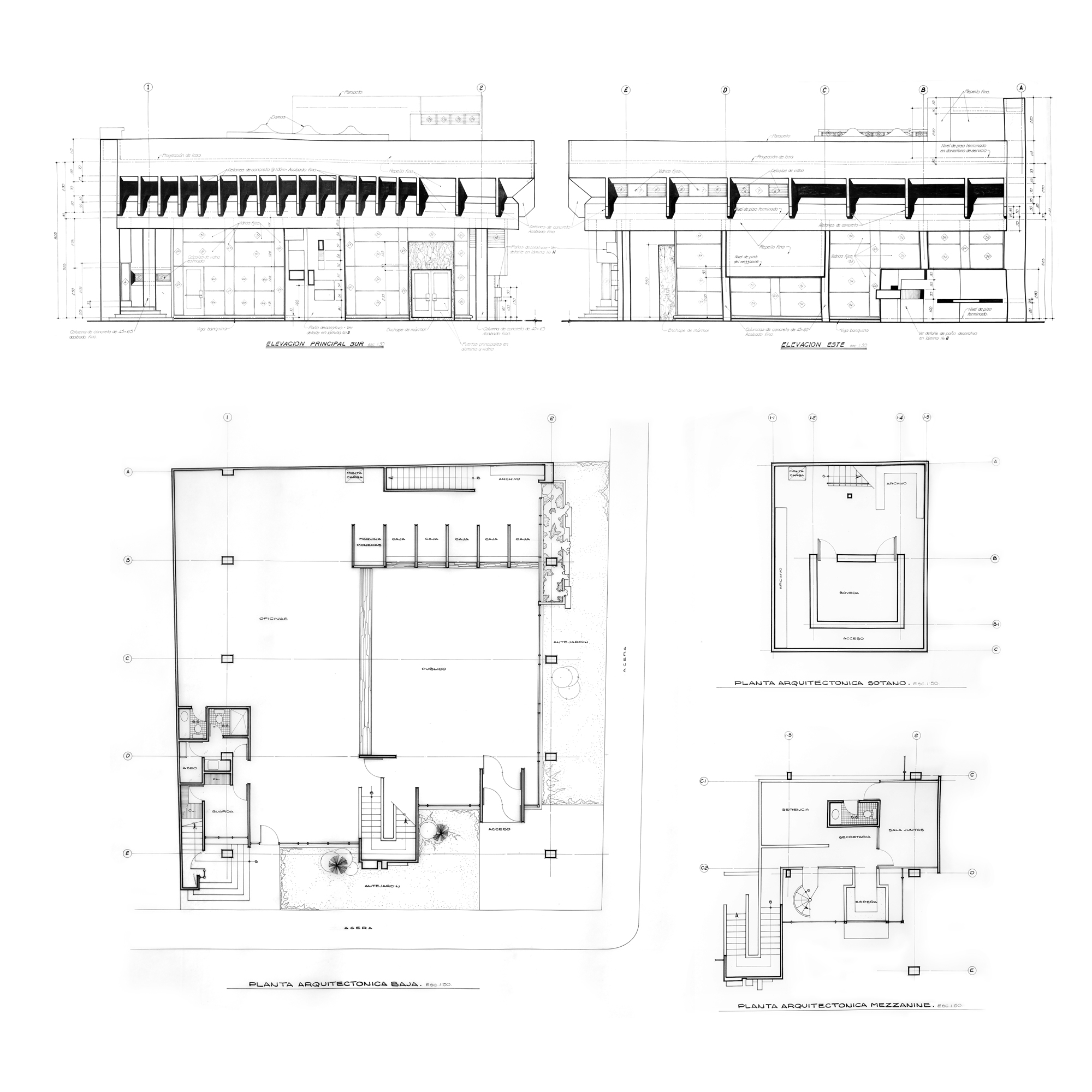
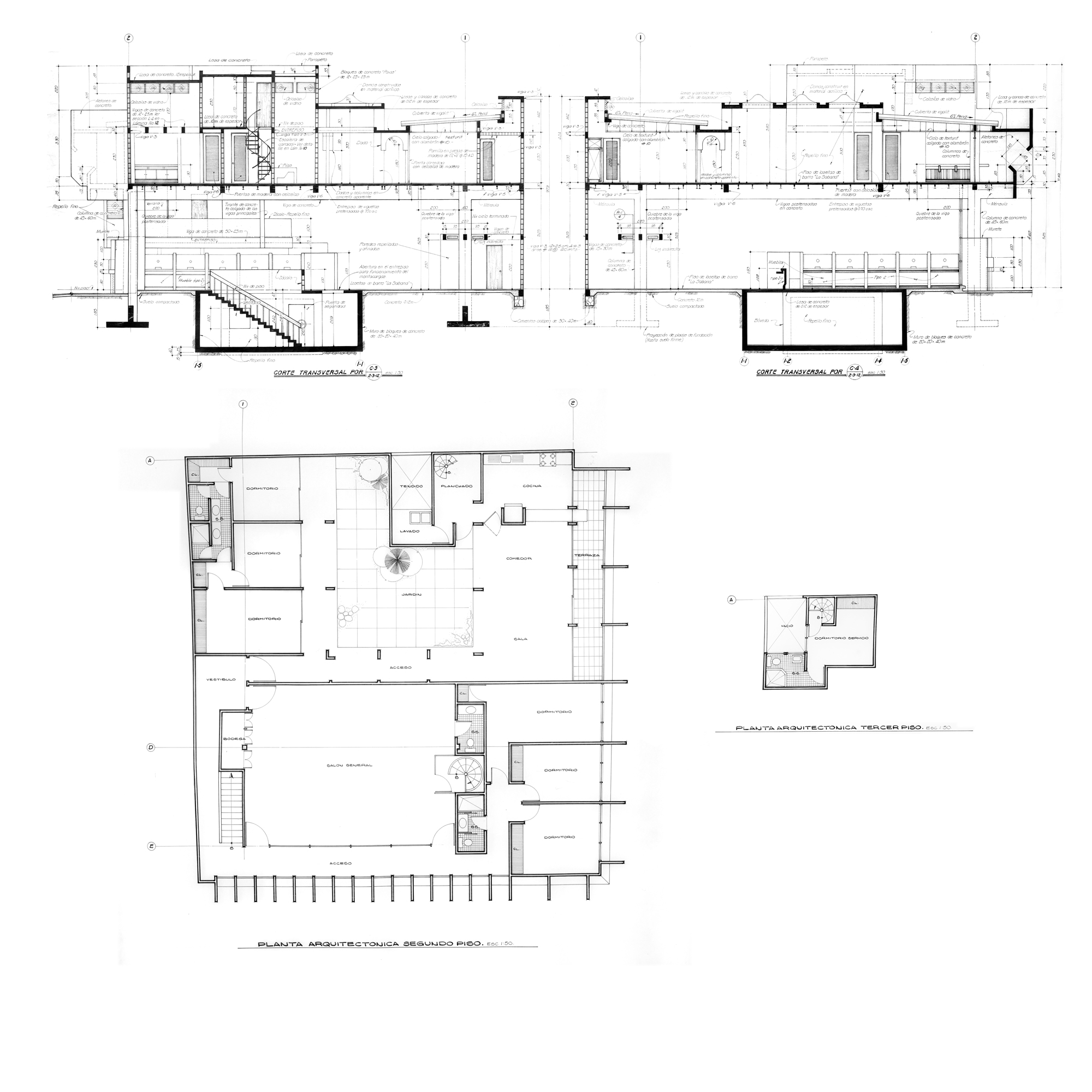
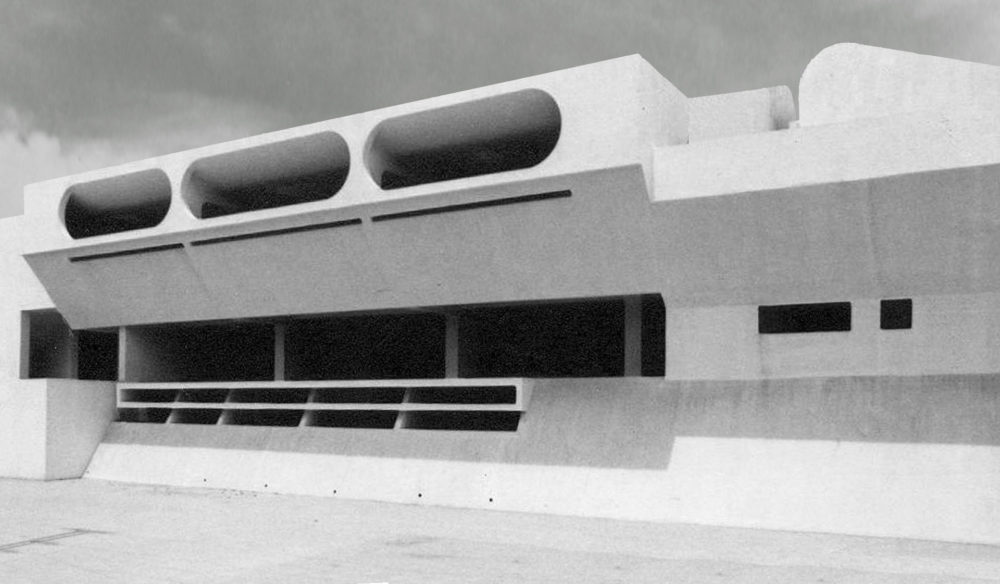
The Banco Anglo branch in Limón explores architecture as a continuous, heavy, sculptural system — emotionally charged and symbolic in a way that confronts the rational program it houses: a bank branch complemented by two residential apartments. The formal intensity is amplified by the Caribbean light of Limón, which produces extreme contrasts of light and shadow across the sculpted surfaces.
The upper floor holds the residential program in an L-configuration that extends outward as protection for the floor below, then folds back into the volume to become a single unified object — eliminating the typical discontinuity of the eave. Along the street facades, the upper floor creates a double skin: an outer layer perforated with repetitive horizontal ellipses, and an inner glazed facade immediately behind it. The space between them reinvents the vernacular balcony of Limón as a contemporary intermediate zone — neither interior nor exterior — resolved this time through inclined planes and punctual skylights rather than the traditional open corridor. The massing toward the interior of the block shifts to a more horizontal scale, where the roofs and their gargoyles become the dominant element.
The concern for formal continuity extends to the roof itself, where the ridge is reinterpreted not as the meeting of two separate planes but as a curved shoulder that unifies both faces of the roof into a single surface. At the corner, the main roof is partially subtracted to insert a flat slab punctuated by skylights whose truncated cone geometry widens as it descends, expanding the daylight entry into the interior below.


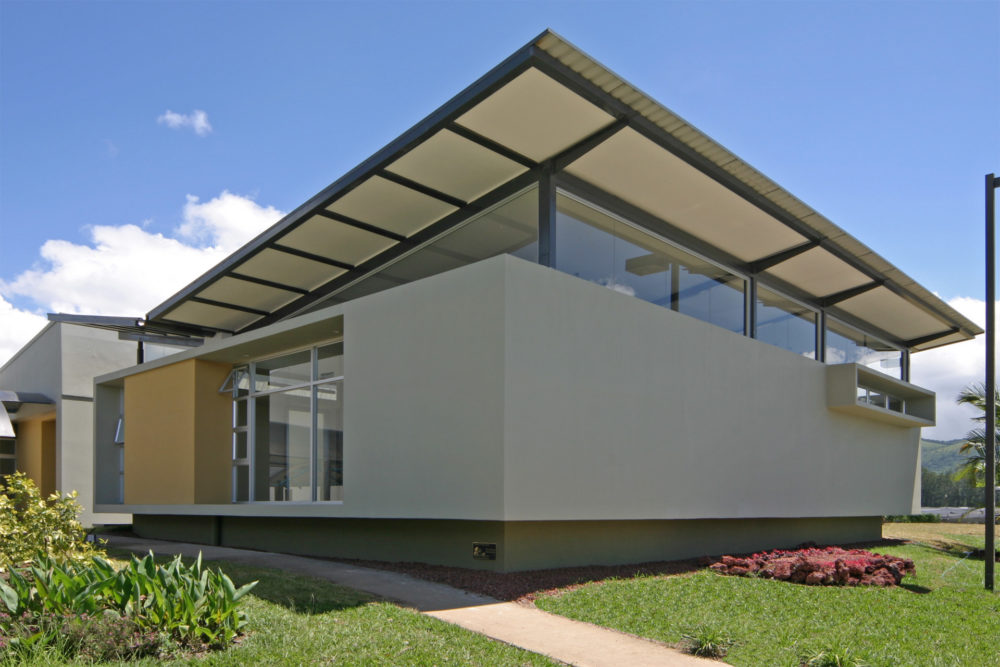
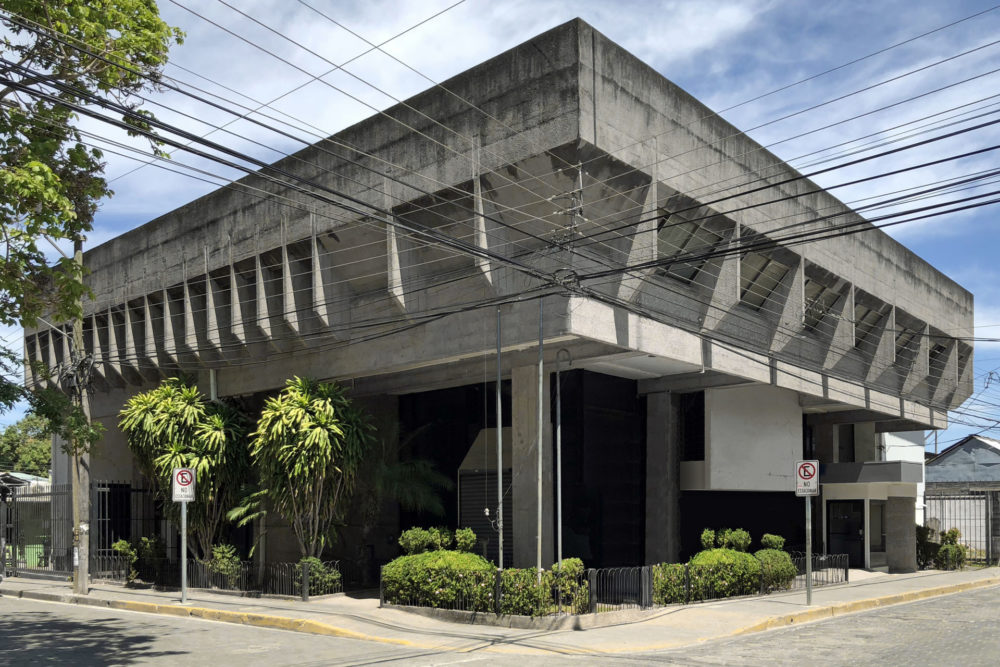
Die ehemalige Filiale der Banco Anglo Costarricense in Santa Cruz nimmt ein Eckgrundstück innerhalb des historischen Stadtrasters ein, diagonal zum Parque Bernabela Ramos. Das Gebäude macht von Anfang an eine klare städtebauliche Geste: Das Erdgeschoss tritt zurück, erweitert den Bürgersteig und spendet den Fußgängern unter dem darüber liegenden erhöhten Baukörper Schatten, insbesondere an der dem Park zugewandten Ecke.
Das zurückgesetzte Erdgeschoss ermöglicht durchgehende Glasfassaden sowohl zur Straßen- als auch zur Alleenfront. Das Obergeschoss verkehrt diese Logik vollständig – massive Sichtbetonflächen, geschützt durch integrierte Attiken und vertikale Betonlamellen, deren Rhythmus sich zwischen den Fassaden verschiebt, wobei die Südfassade fast doppelt so viele Elemente aufweist wie die Ostseite.
Innen wechselt die Materialsprache ihr Register. Der glatte Sichtbeton der Außenseite weicht dickem Putz und weißer Farbe. Die zweigeschossige Haupthalle wird von einem massiven, hängenden Zwischengeschoss und der dazu führenden Treppenkomposition eingerahmt. Das Obergeschoss vervollständigt ein für eine Bankfiliale ungewöhnliches Programm: Wohnquartiere, die um einen zentralen Gartnhof organisiert sind, eine Typologie, die für Provinzfilialen außerhalb des Großraumgebiets aus dieser Zeit typisch ist.
Der bürgerliche Maßstab des Gebäudes, seine abgeschattete Ecke und seine Beziehung zum Park bleiben Argumente für seine Wiederherstellung. ICESA hat einen Vorschlag entwickelt, um es ins öffentliche Leben zurückzubringen.
Banco Anglo von Costa Rica
1973
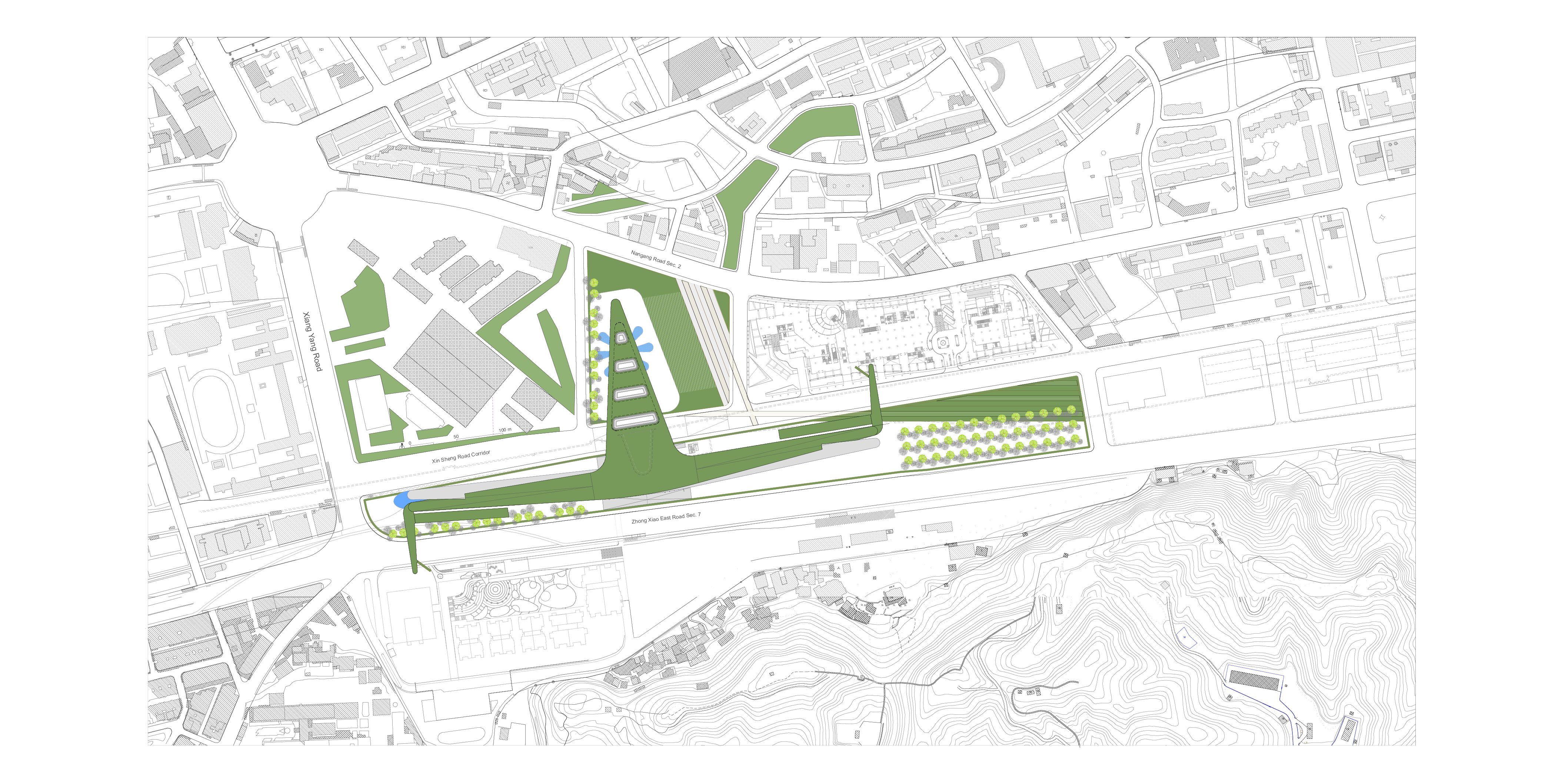
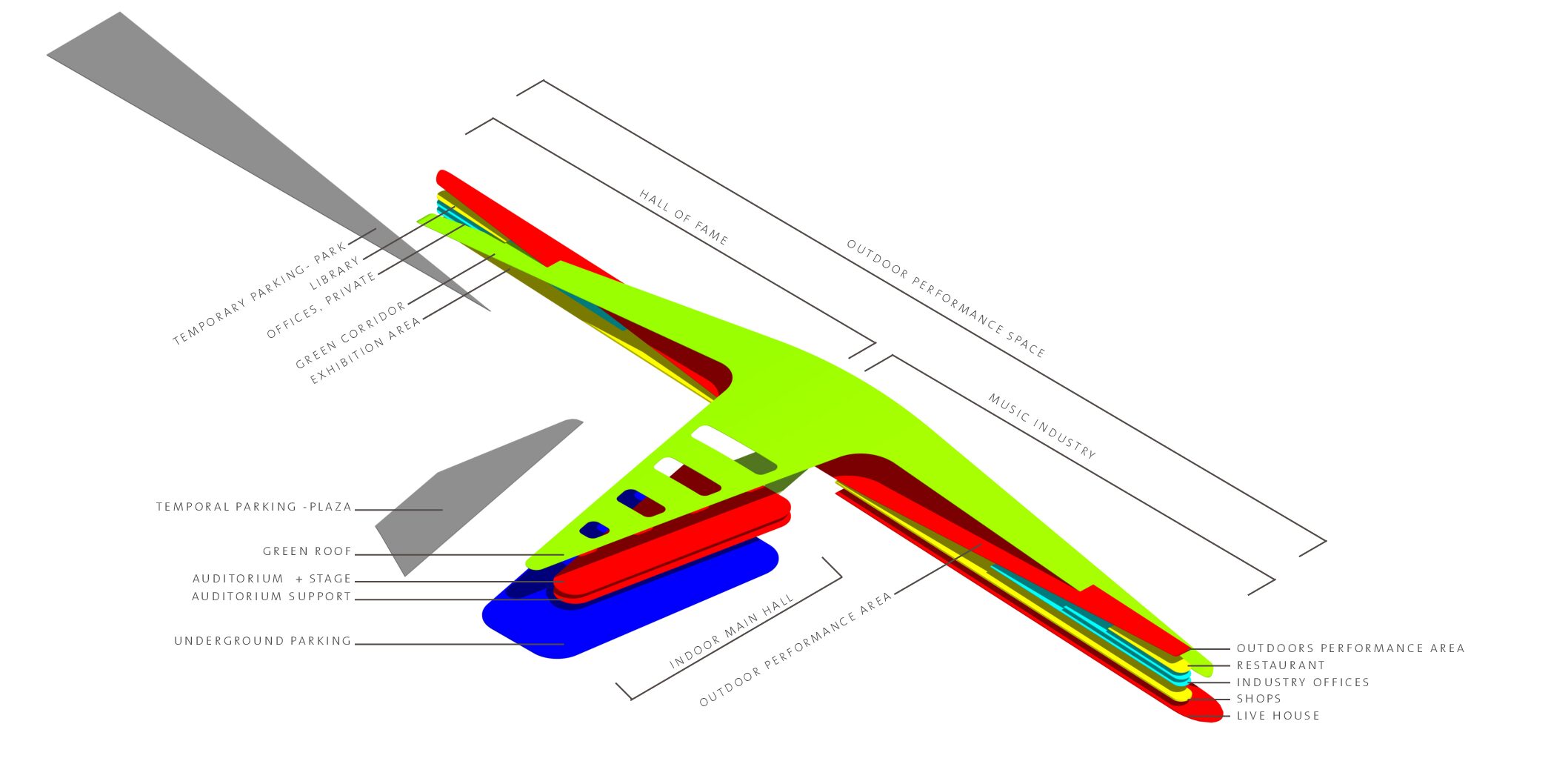
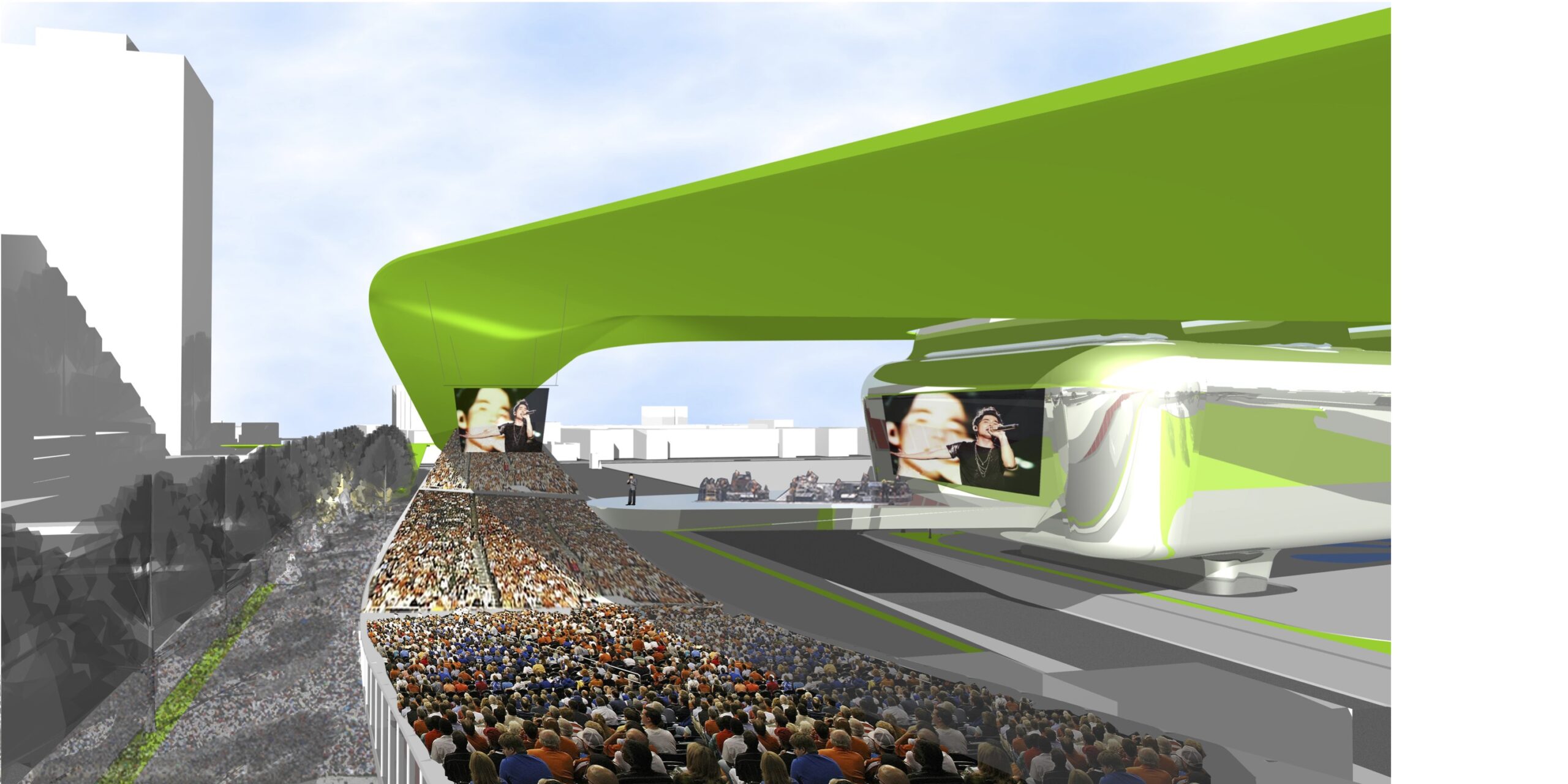
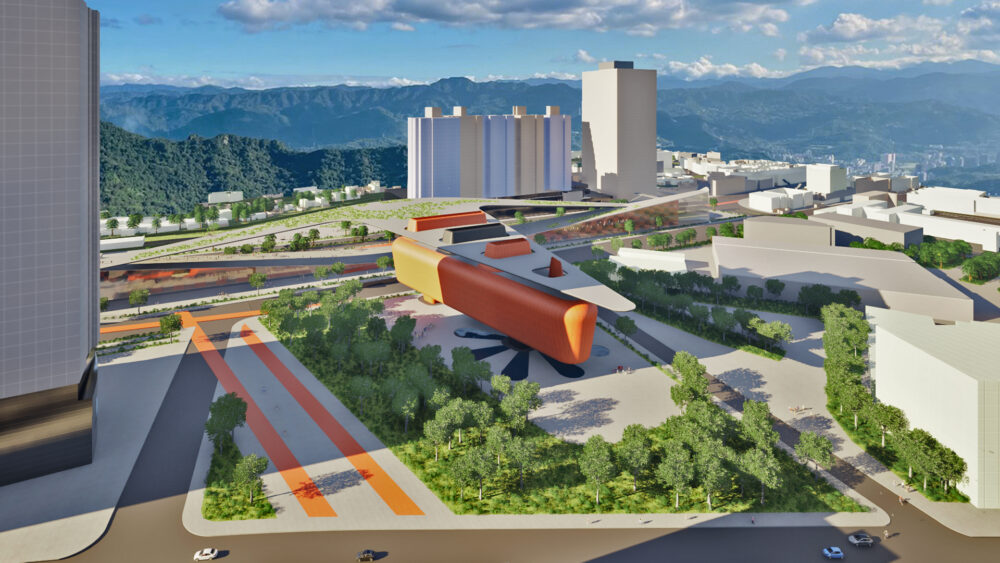
ICESA’s proposal for the Taipei Pop Music Center integrates two distinct architectural volumes into a unified urban masterplan structured around connectivity and active street life.
The southern volume operates as a linear urban axis, activating the district through a continuous ground-level public program of shops and restaurants. Its primary urban gesture is the transformation of the roof into a sloped amphitheater formed as an inverted arch, accommodating open-air concerts. This space is protected by a long-span, earthquake-resistant arched canopy that functions as structural infrastructure, green corridor, and linear park. The canopy offers panoramic views while physically and programmatically stitching together the northern and southern plots. The void between the inverted-arch roof and the arched canopy aligns with the auditorium’s main axis, allowing the stage to perform either toward the protected outdoor amphitheater—via an extended platform—or inward toward the enclosed auditorium.
To the north, the indoor auditorium is elevated to release a permeable ground-floor plaza conceived as an urban condenser for informal gatherings and spontaneous performances. By orienting an outdoor stage toward the southern linear volume, the project establishes a high-energy performative corridor. The ensemble operates as a multi-level civic destination that integrates seamlessly with Taipei’s urban fabric through continuity of public space, visual connections, and overlapping programs.
City of Taipei, Taiwan
2012
 Der Mann schaut zu dem Bild.
 Der Mann schaut zu dem Bild.
 Der Mann schaut zu dem Bild.
 Der Mann schaut zu dem Bild.
 Der Mann schaut zu dem Bild.
 Der Mann schaut zu dem Bild.
 Der Mann schaut zu dem Bild.
 Der Mann schaut zu dem Bild.
 Der Mann schaut zu dem Bild.
 Der Mann schaut zu dem Bild.
 Der Mann schaut zu dem Bild.
 Der Mann schaut zu dem Bild.
 Der Mann schaut zu dem Bild.
 Der Mann schaut zu dem Bild.
 Der Mann schaut zu dem Bild.
 Der Mann schaut zu dem Bild.
 Der Mann schaut zu dem Bild.
 Der Mann schaut zu dem Bild.