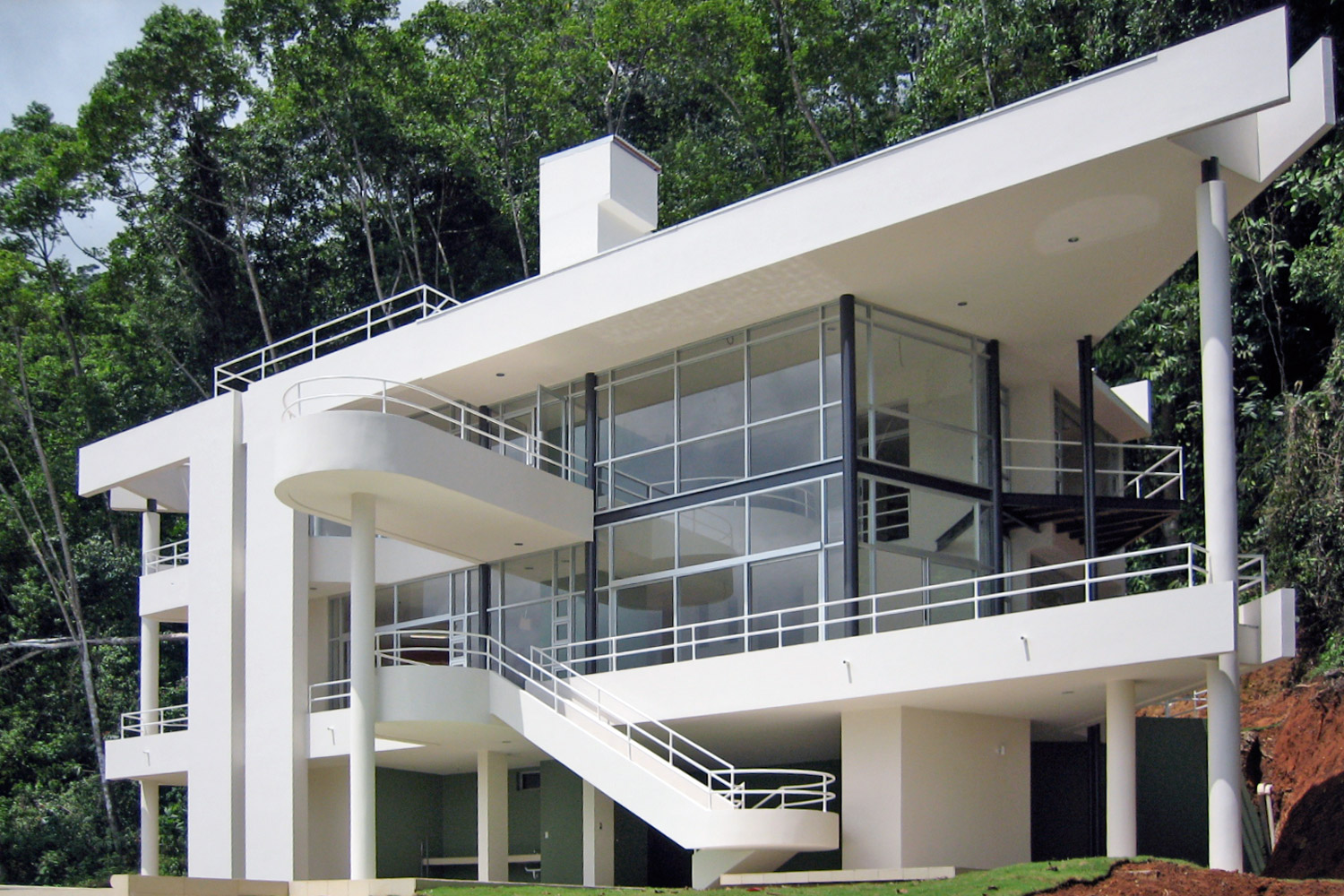
Ruhl House
Ruhl-Linden House
Location: Quepos, Puntarenas, Costa Rica
Area: 750m2
Status: Built
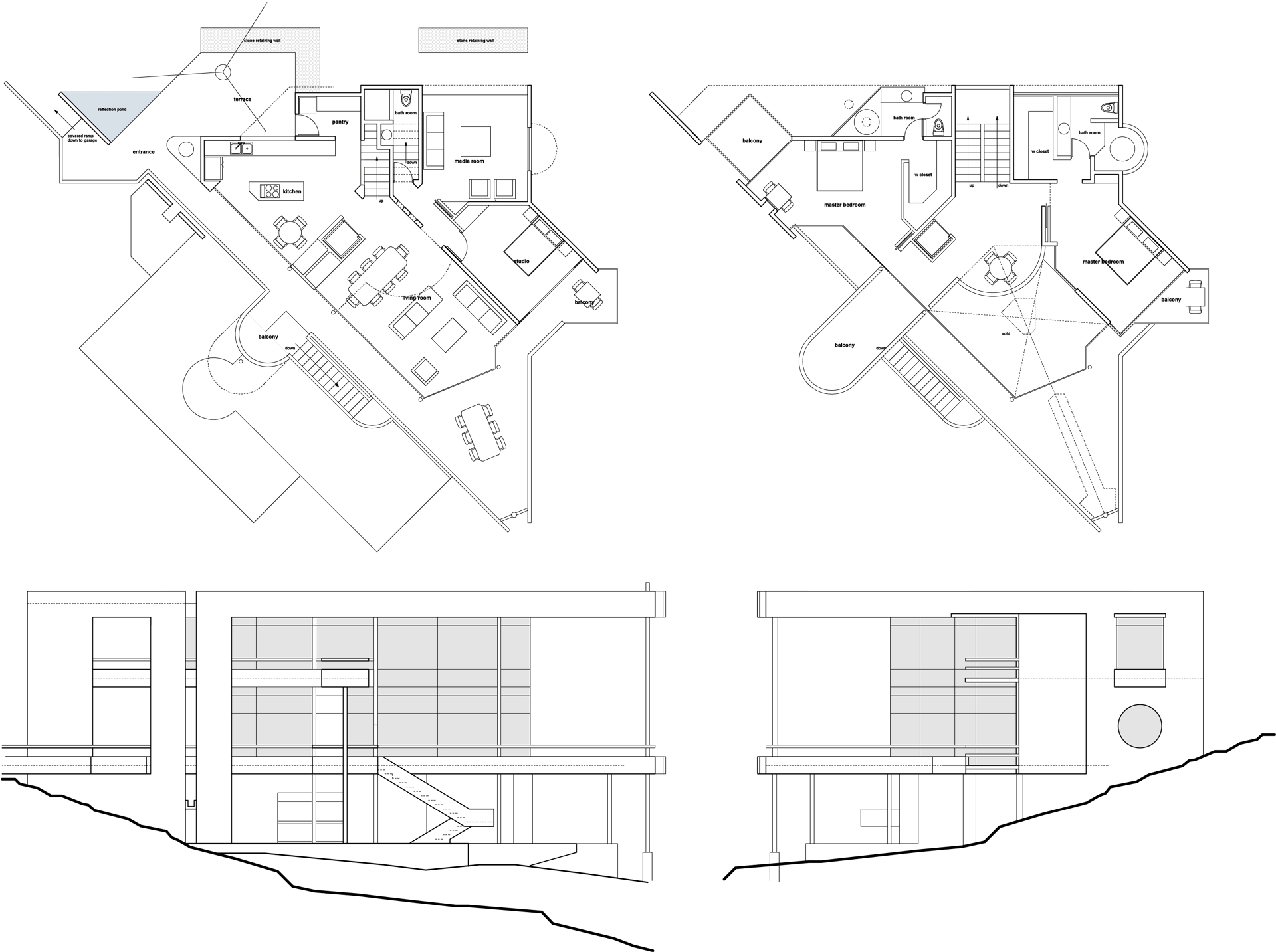


Location: Quepos, Puntarenas, Costa Rica
Area: 750m2
Status: Built
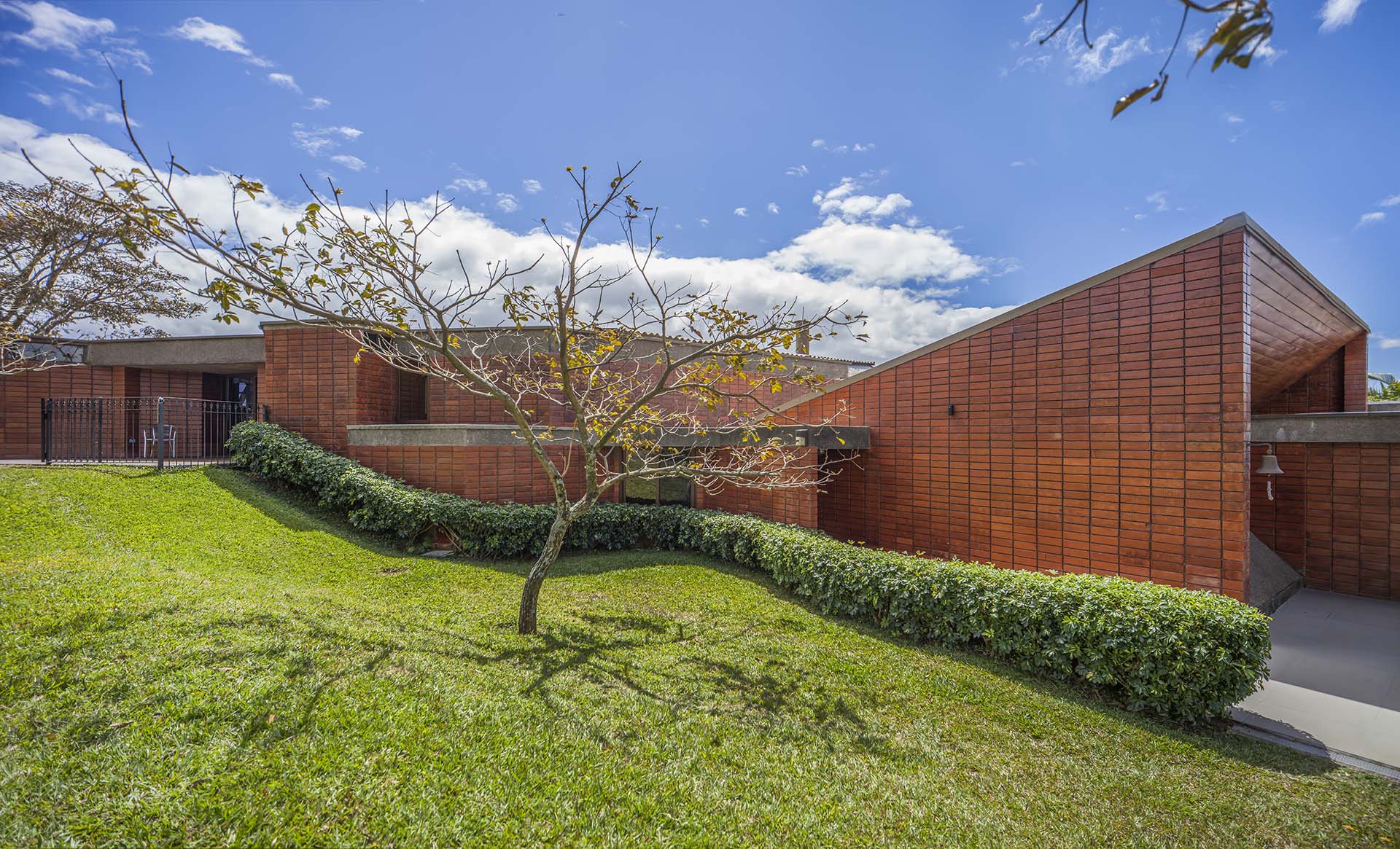
Tucked away in the verdant landscape of Santa Lucía de Heredia, the Music House is a harmonious blend of traditional and modern aesthetics. Crafted with a delicate interplay of brick and timber, this residence unveils itself to the tranquil mountain views, embodying the symbiosis of architecture and nature. The heart of the house, the living room, rises to a double-height space, housing a cozy, loft-style studio. An artistic concrete roof gutter captures the rain, allowing it to fall gracefully through a circular aperture into a serene inner garden. The shared warmth of a dual-sided fireplace bridges the living and dining rooms, fostering a sense of unity and intimacy. A dramatic cantilevered timber staircase, acting as the home’s architectural centerpiece, anchors the main lobby. The Music House echoes the rhythm and cadence of its environment, embodying a symphony of design and natural beauty.
Photographer: Ricardo Chaves
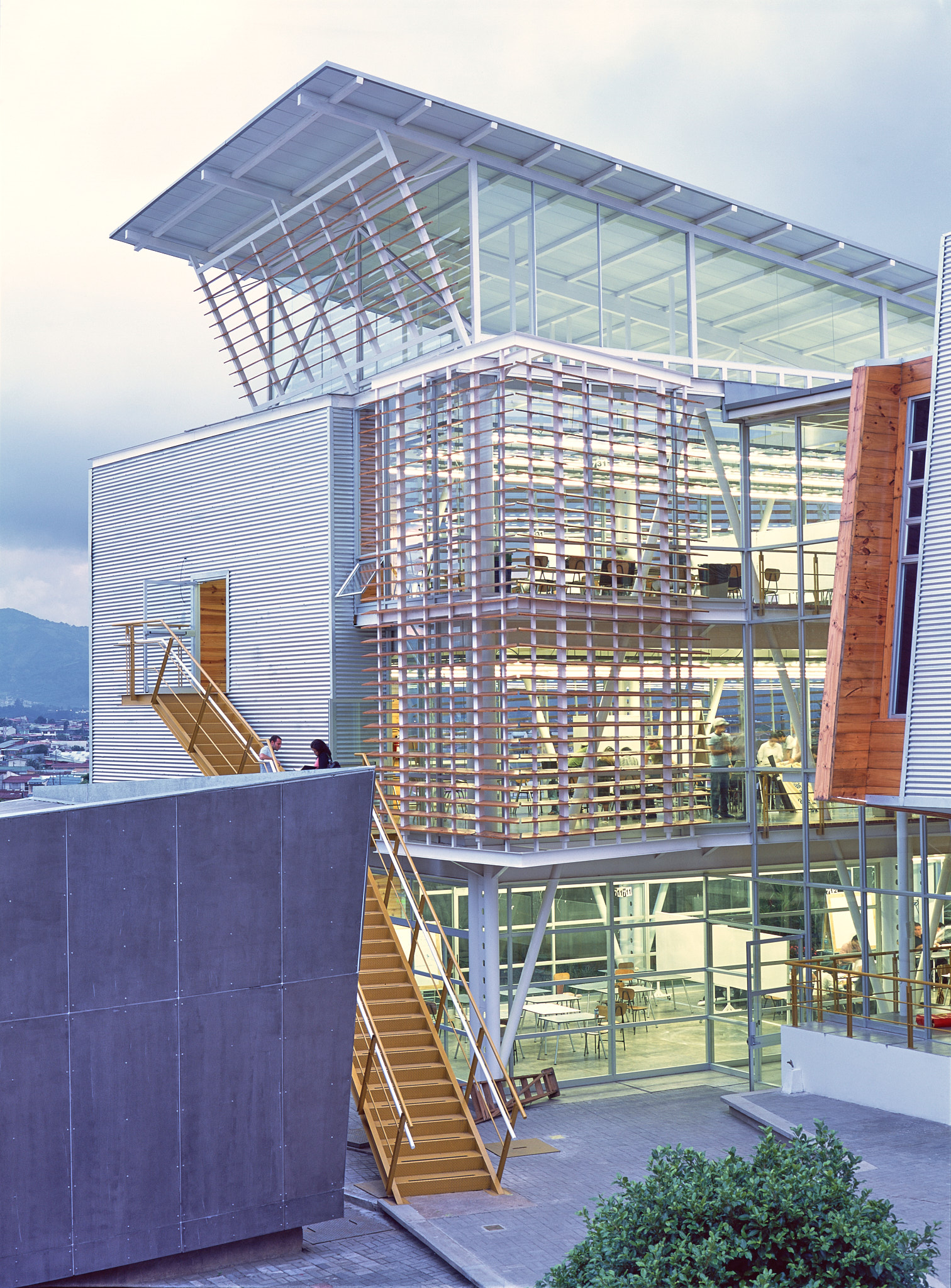
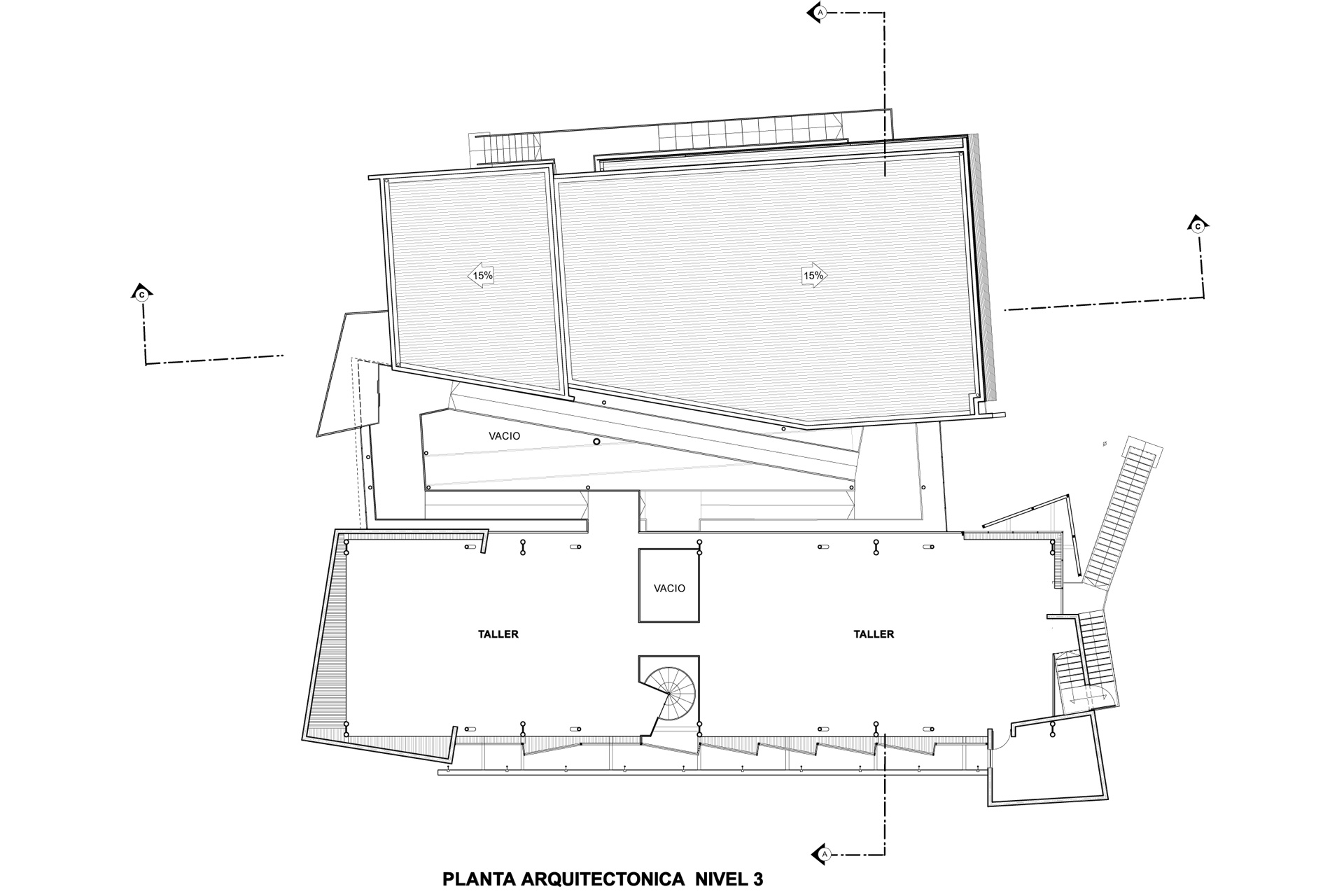
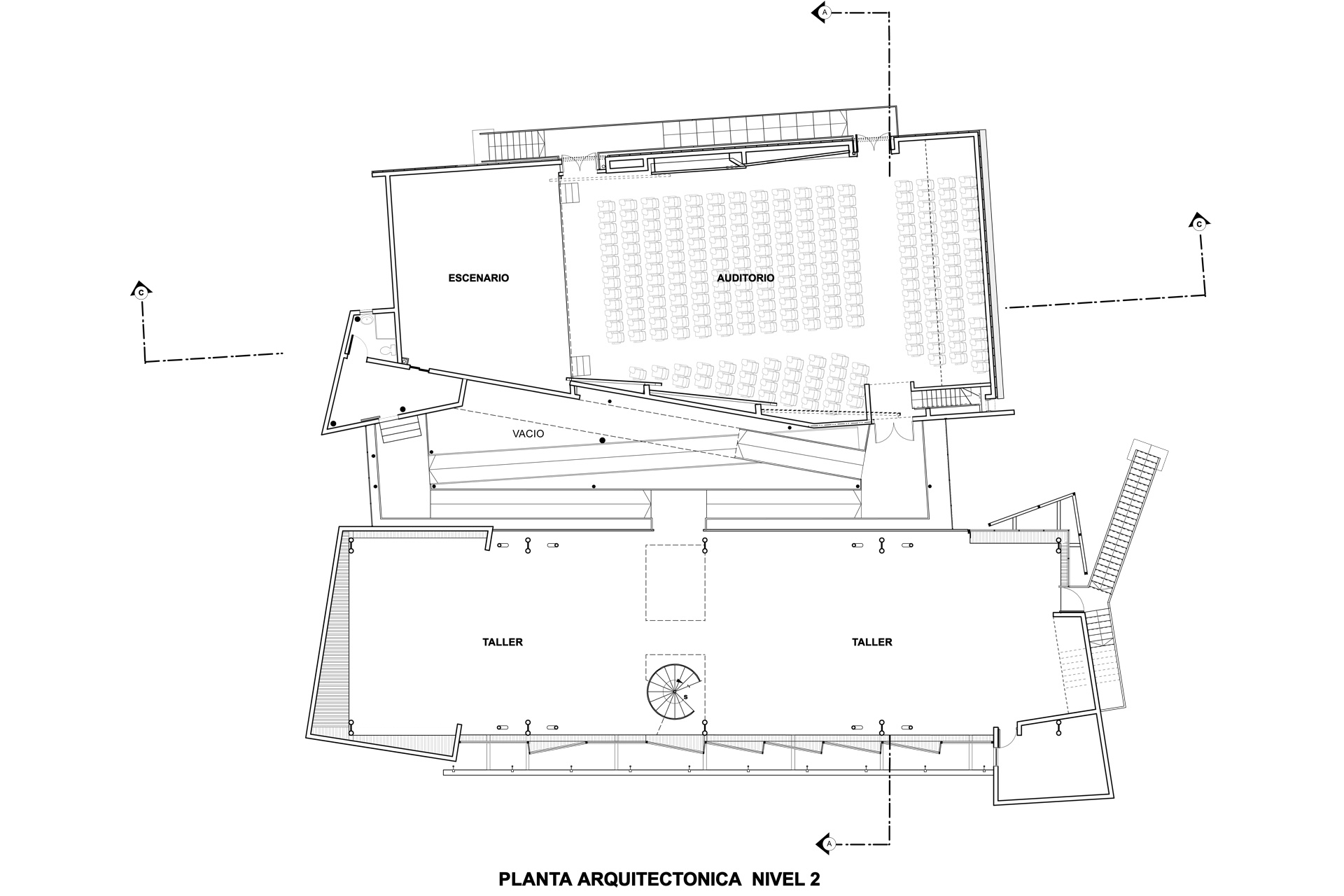
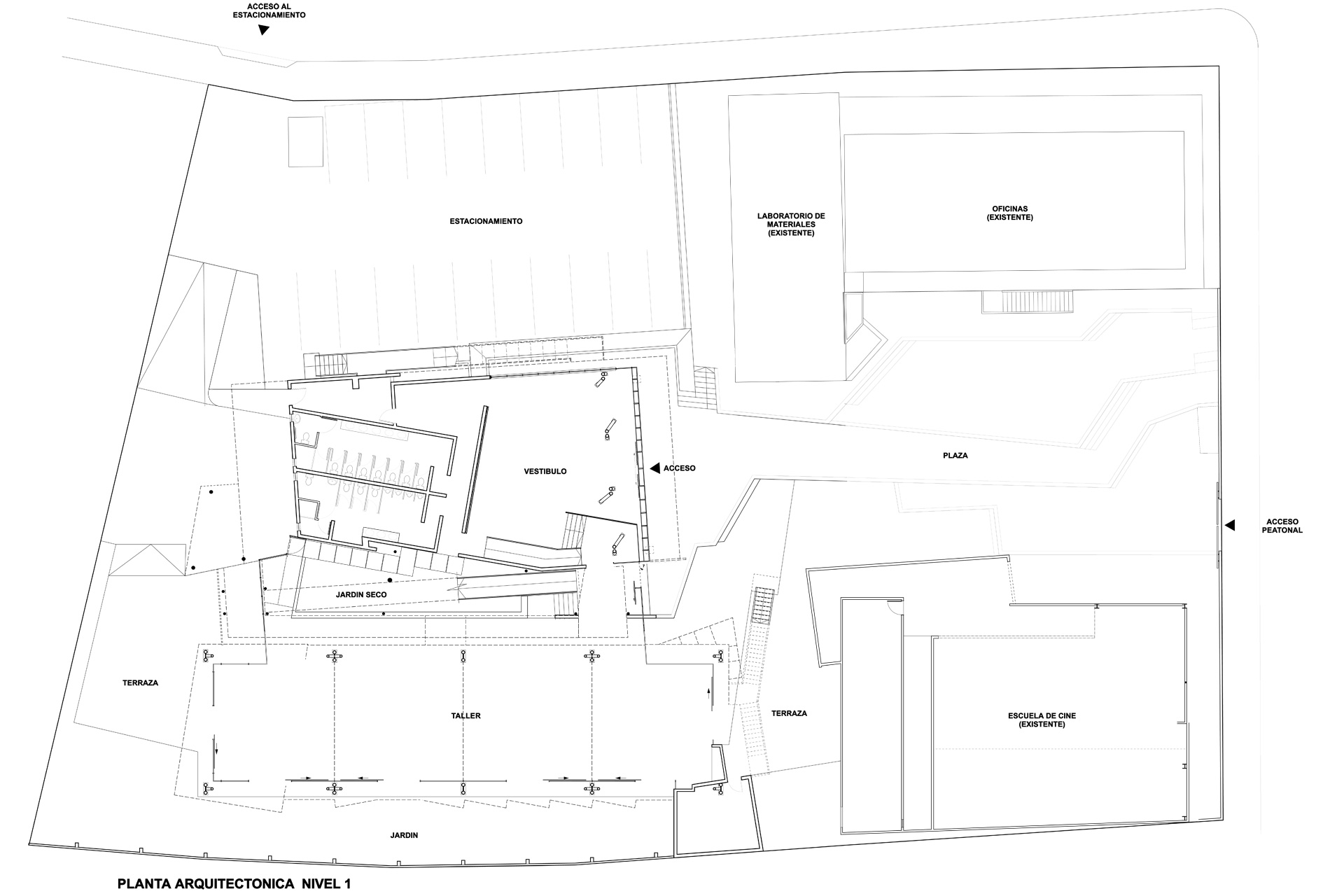
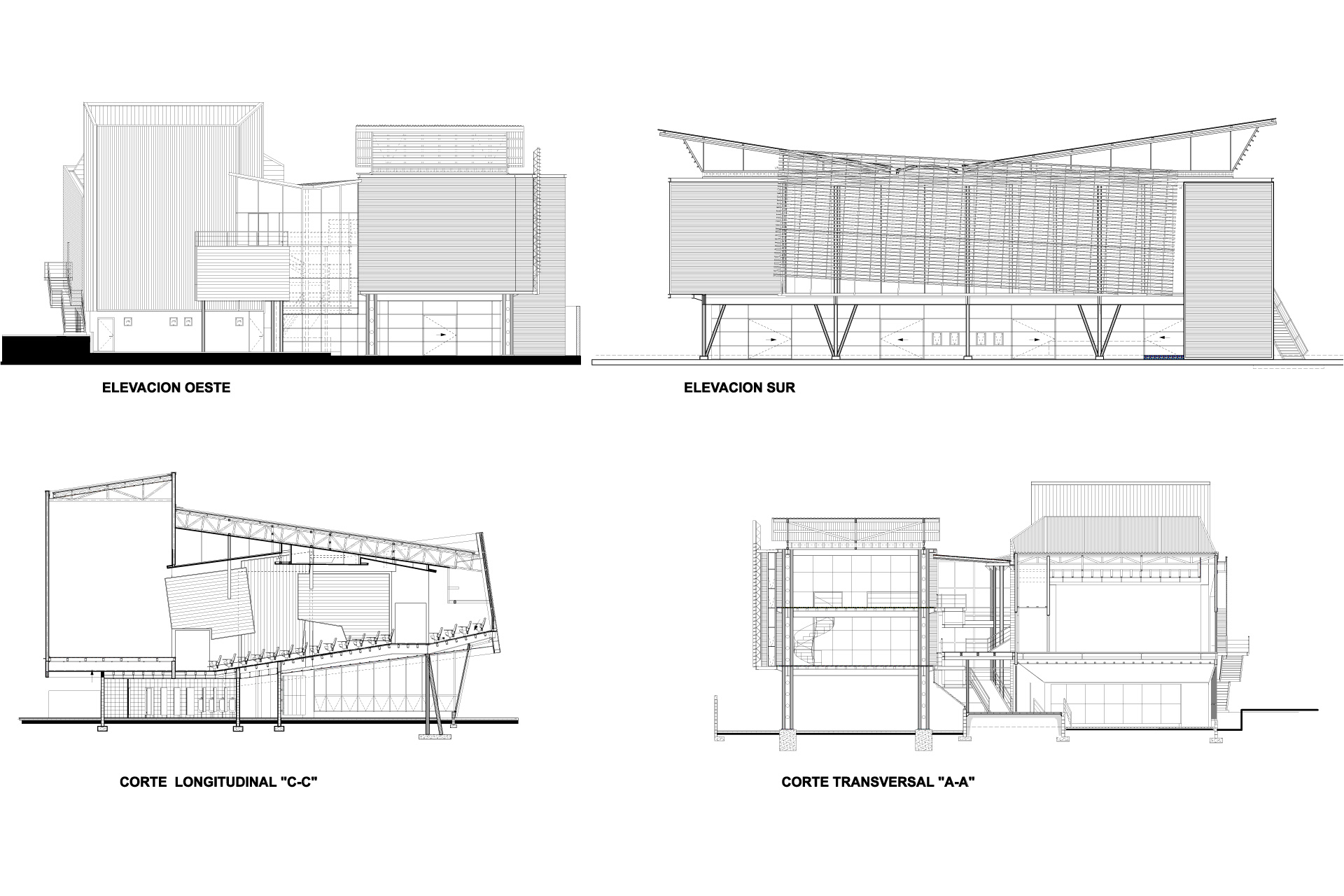
ICESA, in collaboration with Carlos Azofeifa, has pushed the boundaries of architectural innovation with the design of the Veritas University Auditorium and Design Workshops. A unique institution, Veritas University, champions the creative arts – from Architecture and Interior Design to Animation and Photography. This project was not merely about crafting a structure; it was about encapsulating the institution’s ethos and empowering the creative journeys of its students.
Envisioned as a living classroom, the structure manifests tectonic ideas, sustainability, and programmatic flexibility – mirroring Veritas University’s core values. It includes two distinct bodies – the introverted auditorium and the dynamic design workshops, positioned to balance their contrasting characteristics and control solar light penetration.
The auditorium, located to the north, is a self-contained entity, radiating robust character with its solid, insulated form. In contrast, the workshops are set to the south, their light-filled, transparent spaces in constant flux, designed to invite the outside in, sparking creativity and innovation.
At the heart of these contrasting bodies is a dynamic, triple-height central atrium awash with zenithal light. An asymmetric ramp connects this space, encouraging student interactions and fostering a vibrant atmosphere. This architectural feat blends seamlessly into the university’s main square, symbolizing the educational journey taking place within.
Materials were selected for their practicality and aesthetic quality, with corrugated zinc-aluminum panels chosen for their cost-effectiveness, lightness, easy maintenance, and bioclimatic advantages. This, combined with touches of wood to soften the visual impact, culminates in a calm, understated yet impactful institutional building with a theatrical presence. The Veritas University Auditorium and Design Workshops truly epitomize a blend of architecture and pedagogy, empowering students to create, learn, and grow.
Location: San José, Costa Rica
Area: 4500m2
Status: Built
Universidad Veritas
2006
Featured · Institutional · Interior · Masterplanning · Urban Design
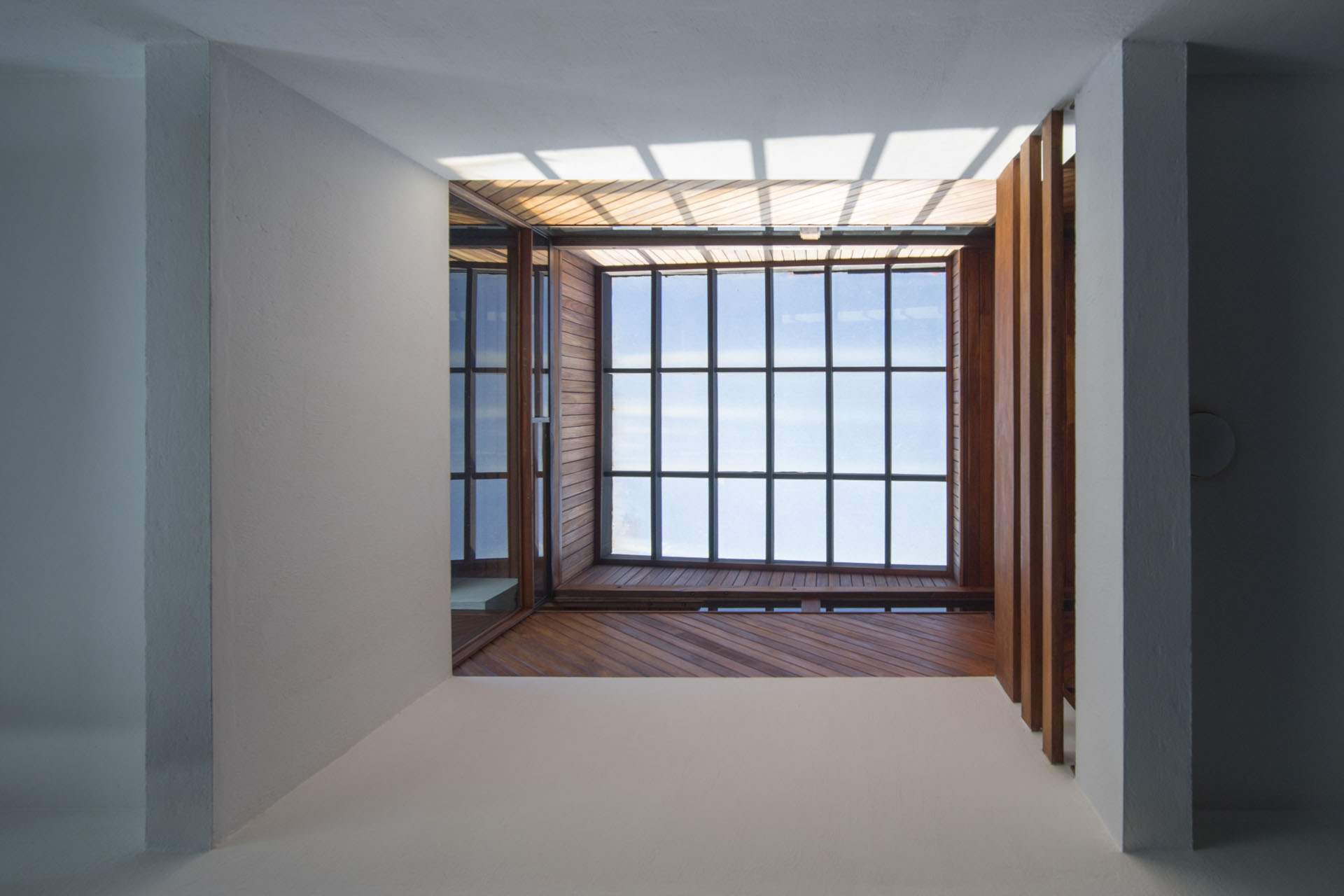
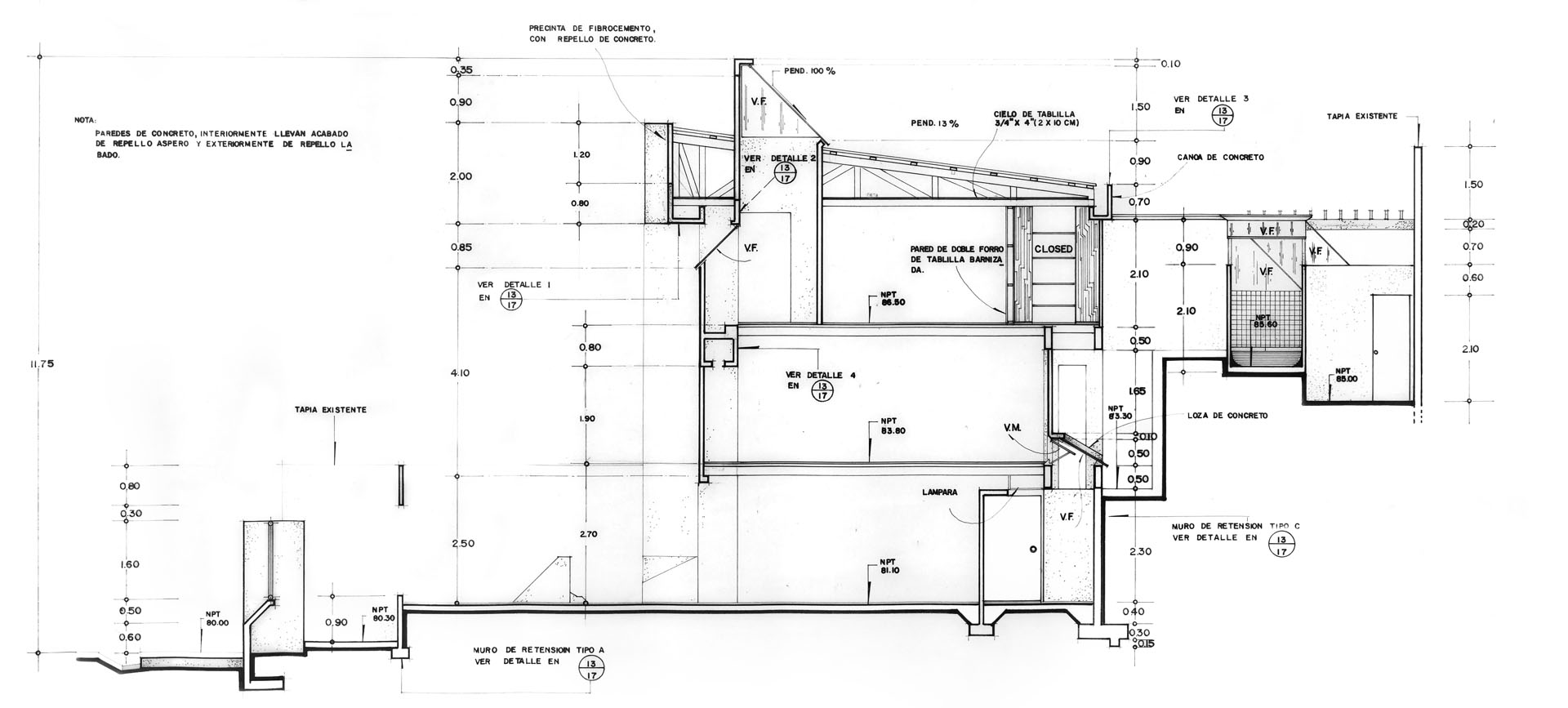
Mata Redonda, Sabana. 3 storey house in a slope. Addaptative Costa Rican Architecture

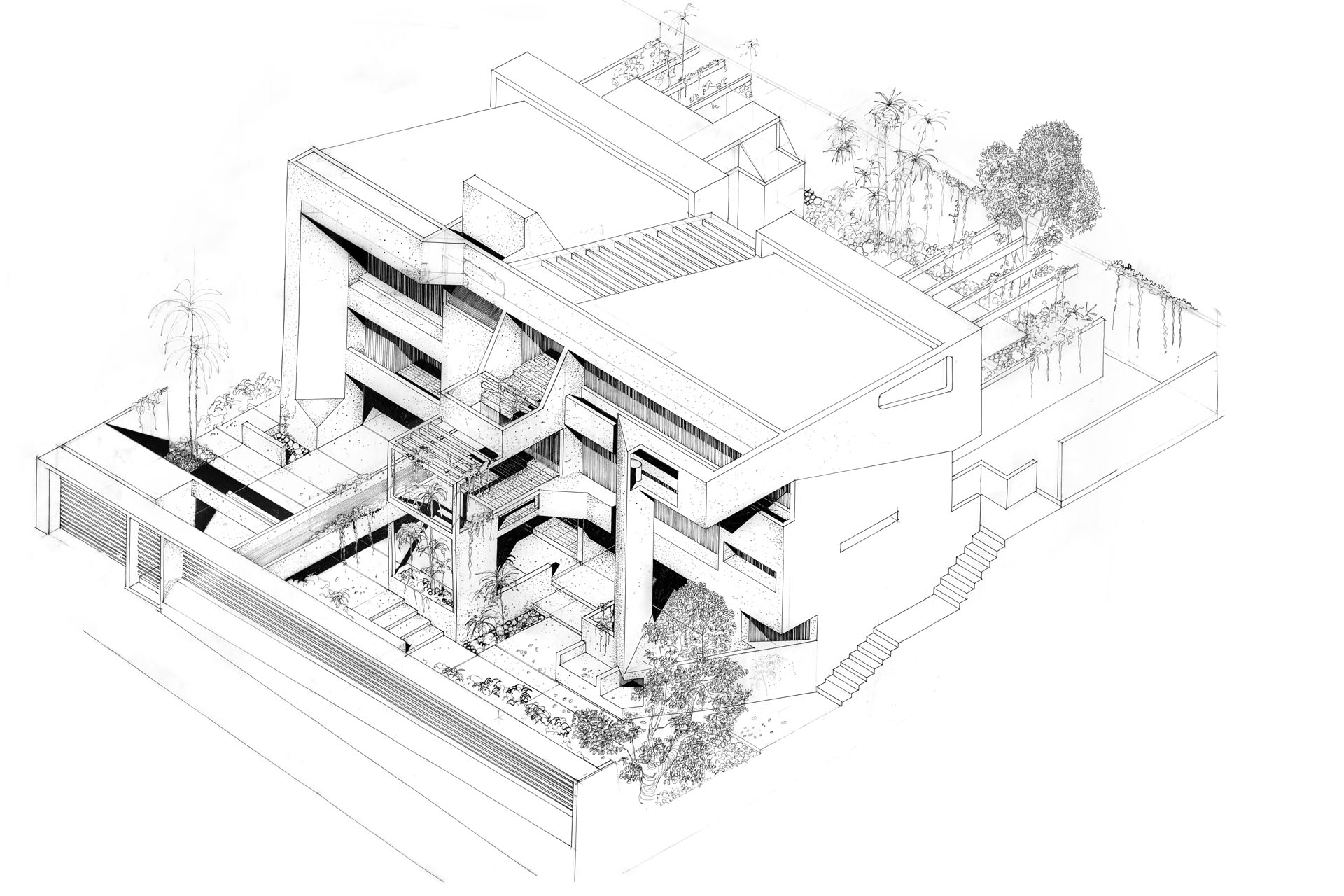

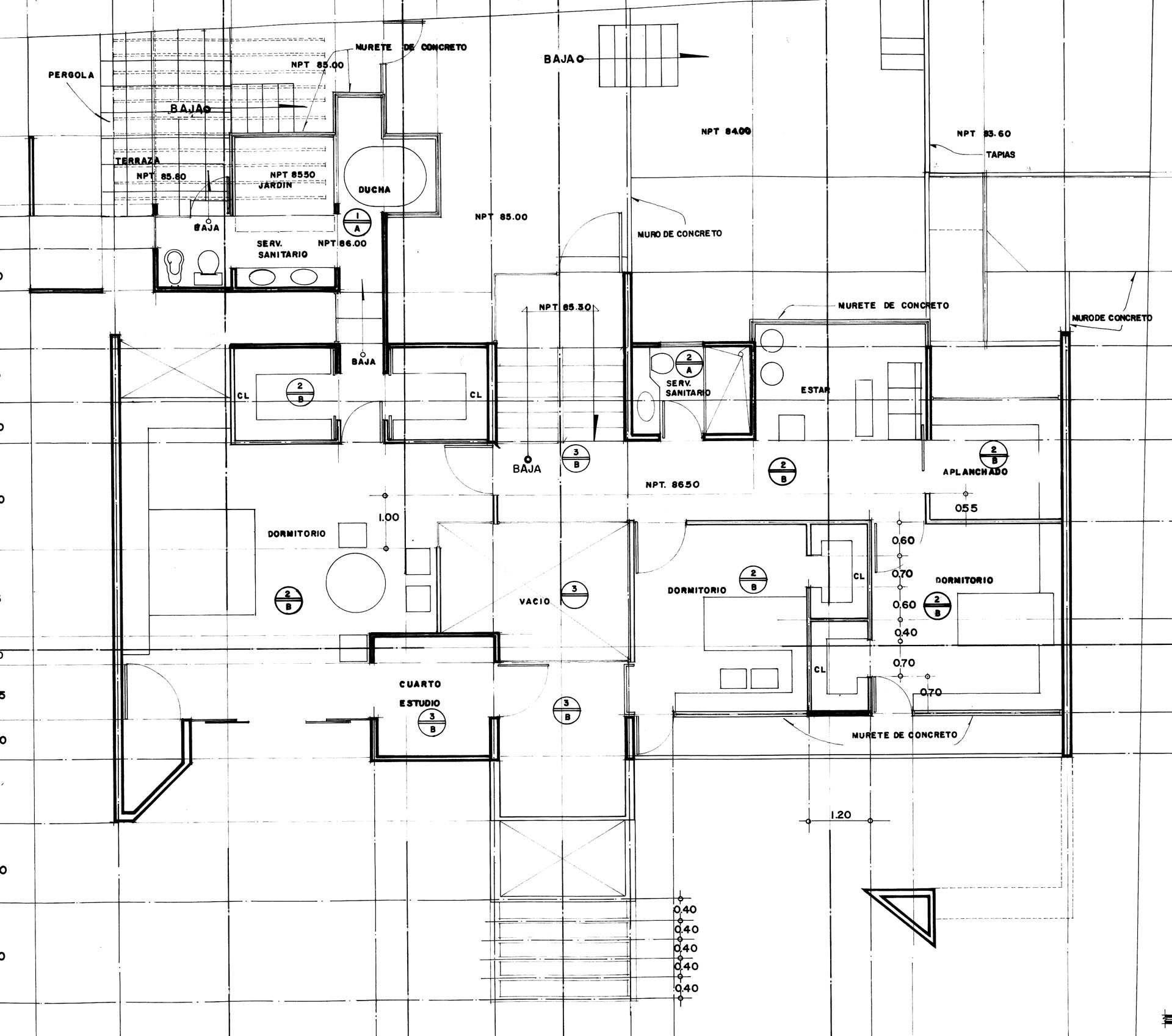
Transforming Office Spaces
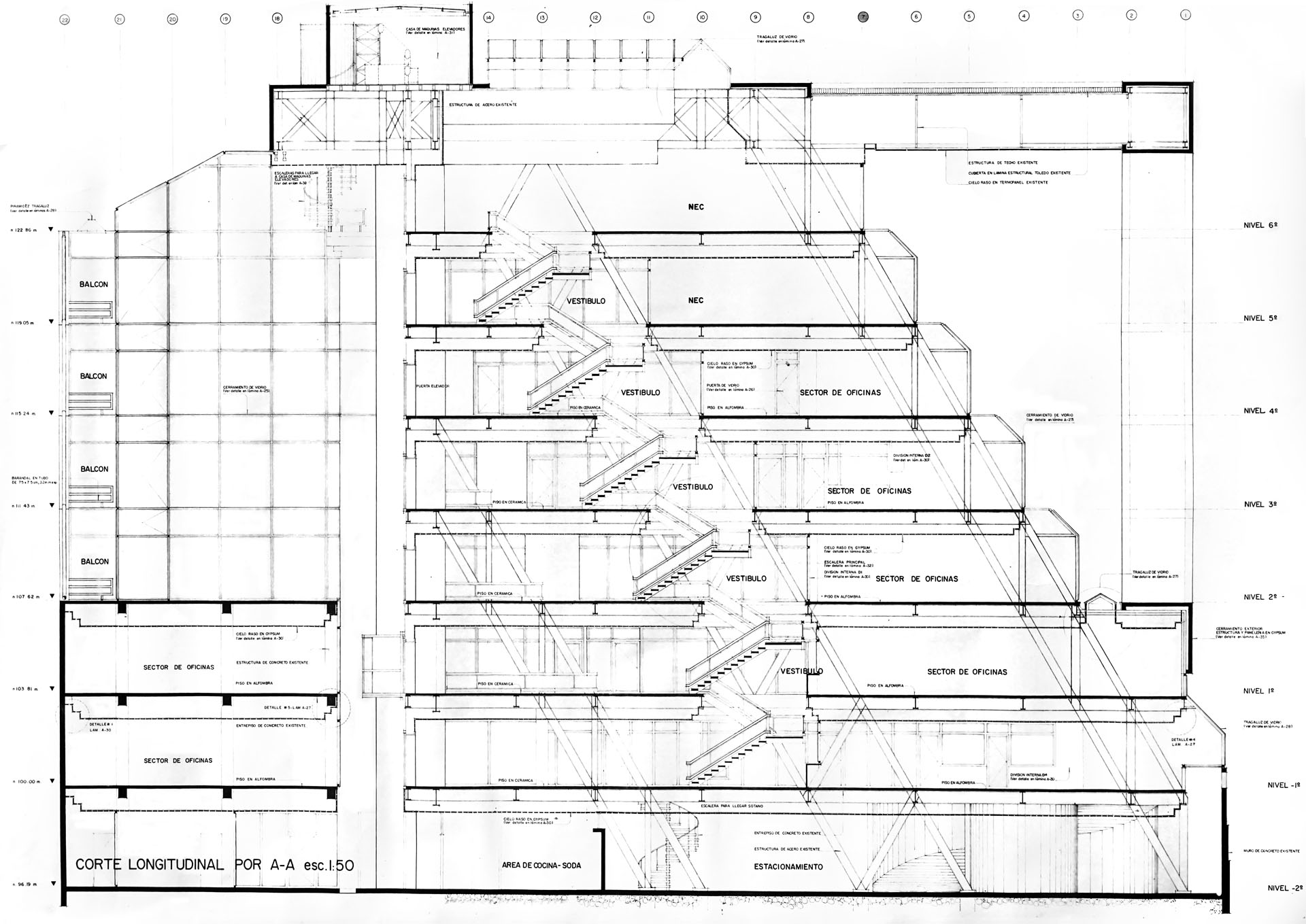
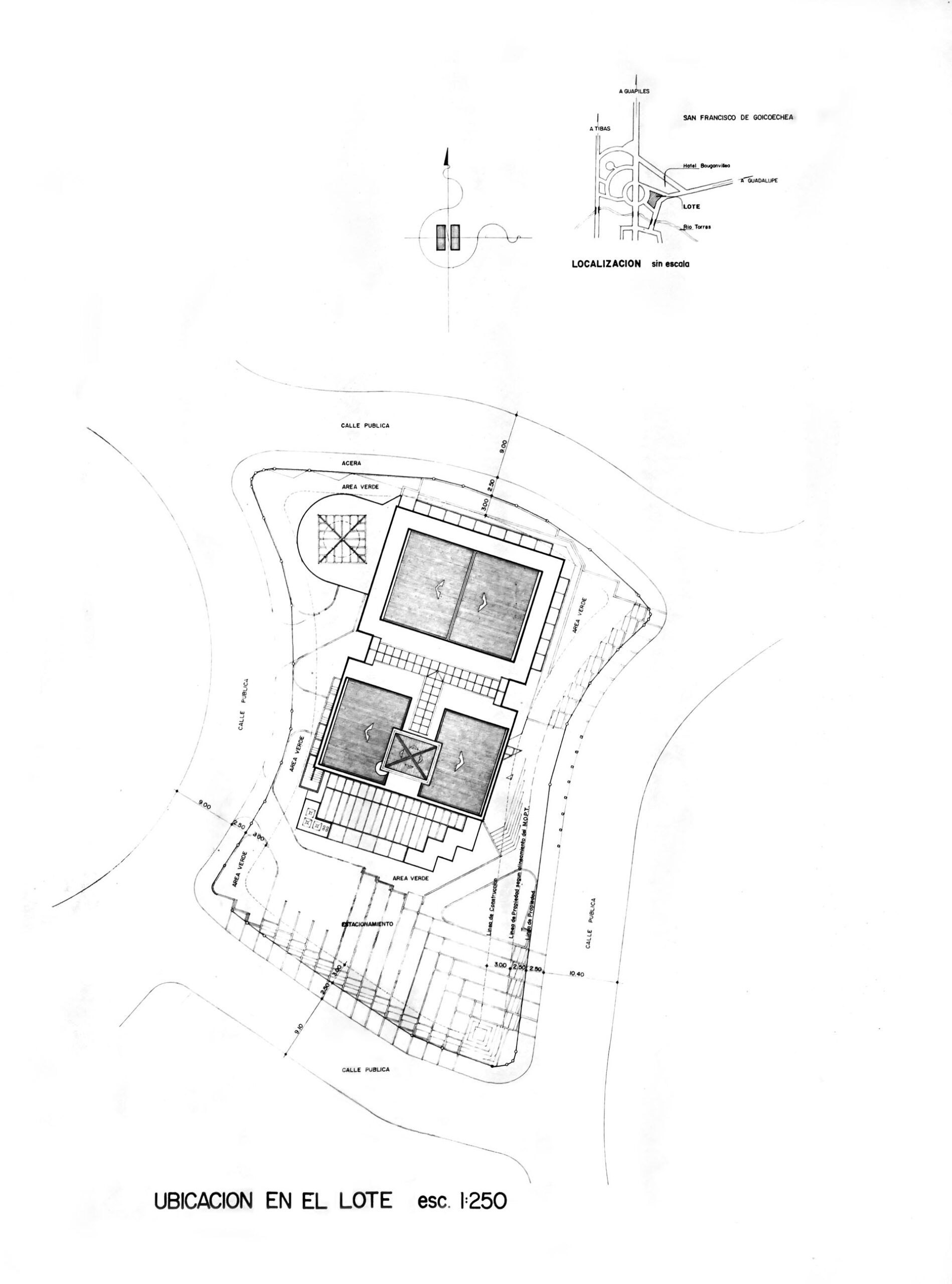
Envisioned originally for the cooperative bank, Bancoop, and now serving as the home of the Ministerio de Trabajo de Costa Rica, this 8-story office building is a prime example of ICESA’s mastery in flexible space design and modern aesthetics.
The building, designed to be adaptable, now seamlessly accommodates the diverse functions of the Ministry of Labor. Its design is grounded in flexibility, with an expressive red steel structure that has become a signature aspect of the building’s character.
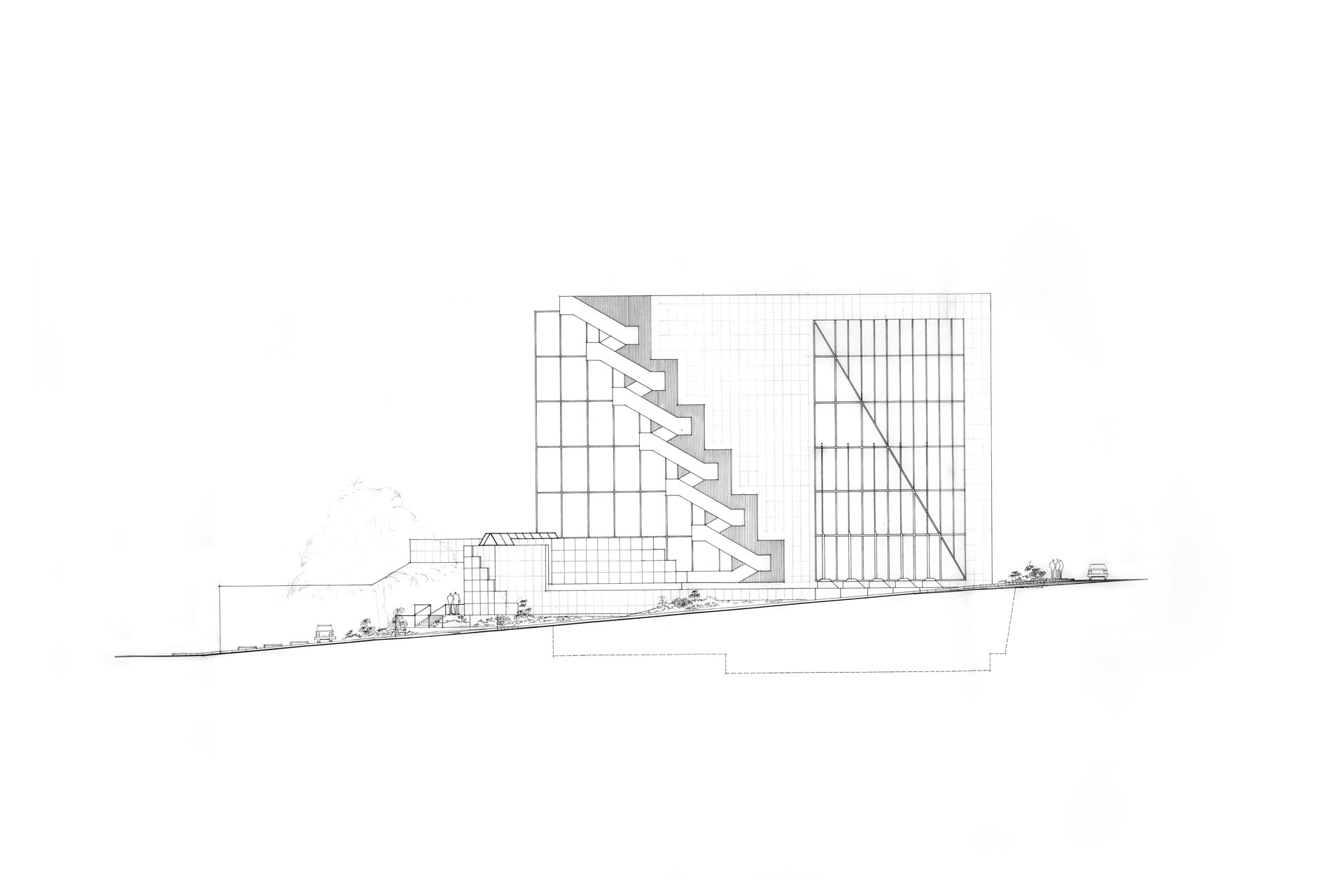
Each floor is uniquely shifted towards the south relative to the one below, a strategic design feature that ensures the facade is shaded from the harsh southern sun. This shifting also creates an interesting spatial dynamic on the northern side, where an expansive glass atrium fills the building with soft, natural light.
The Ministerio de Trabajo Building is a testament to the concept of “institutional monumentality.” The dynamic shifts of the floors create voids within the two dark grey volumes that constitute the building, lending it a distinctive monumental character.
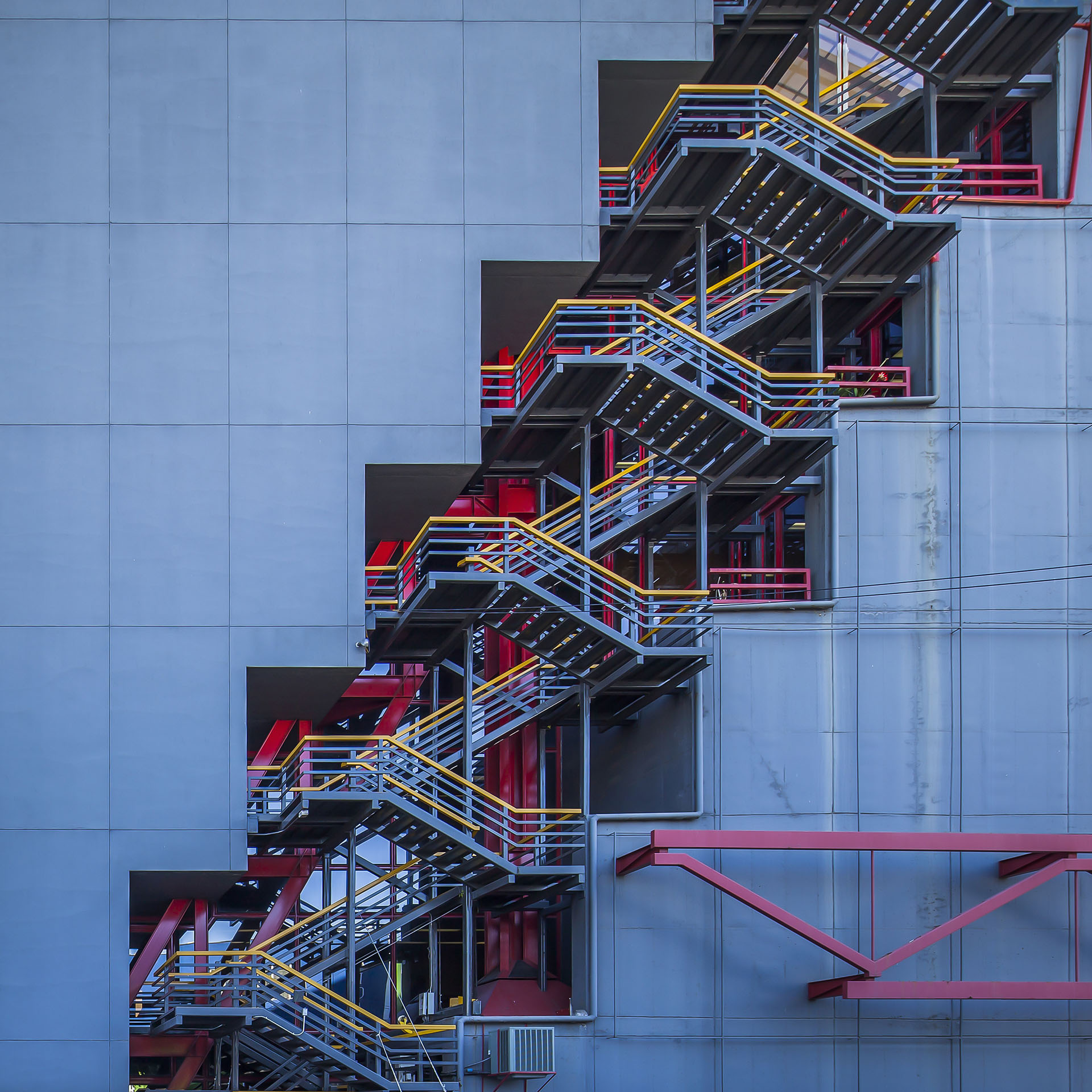
Adding color to the impressive architectural canvas is a blue steel outdoor stair that runs diagonally across the facade. Its yellow handrail pops against the neutral tones of the building, drawing attention to the thoughtfully designed circulation space.
At the building’s base, a large steel and glass canopy offers a welcoming entrance. It serves as a gathering point for visitors and vendors, fostering interaction and engagement. The building is not just an office space; it is a community hub, a destination, a symbol of modern architecture’s potential to enhance human experiences.
Banco Cooperativo Costarricense R.I.
1988
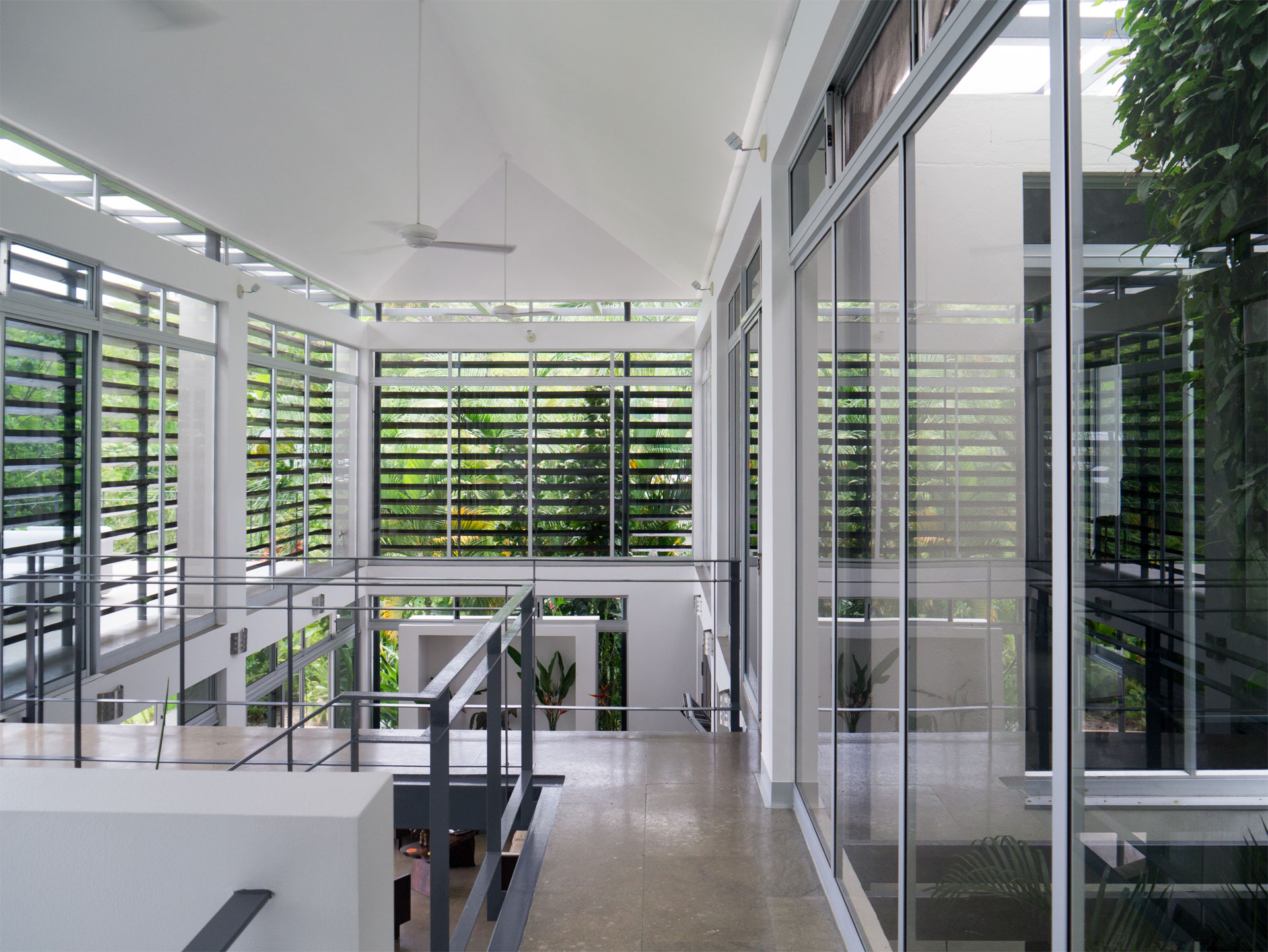
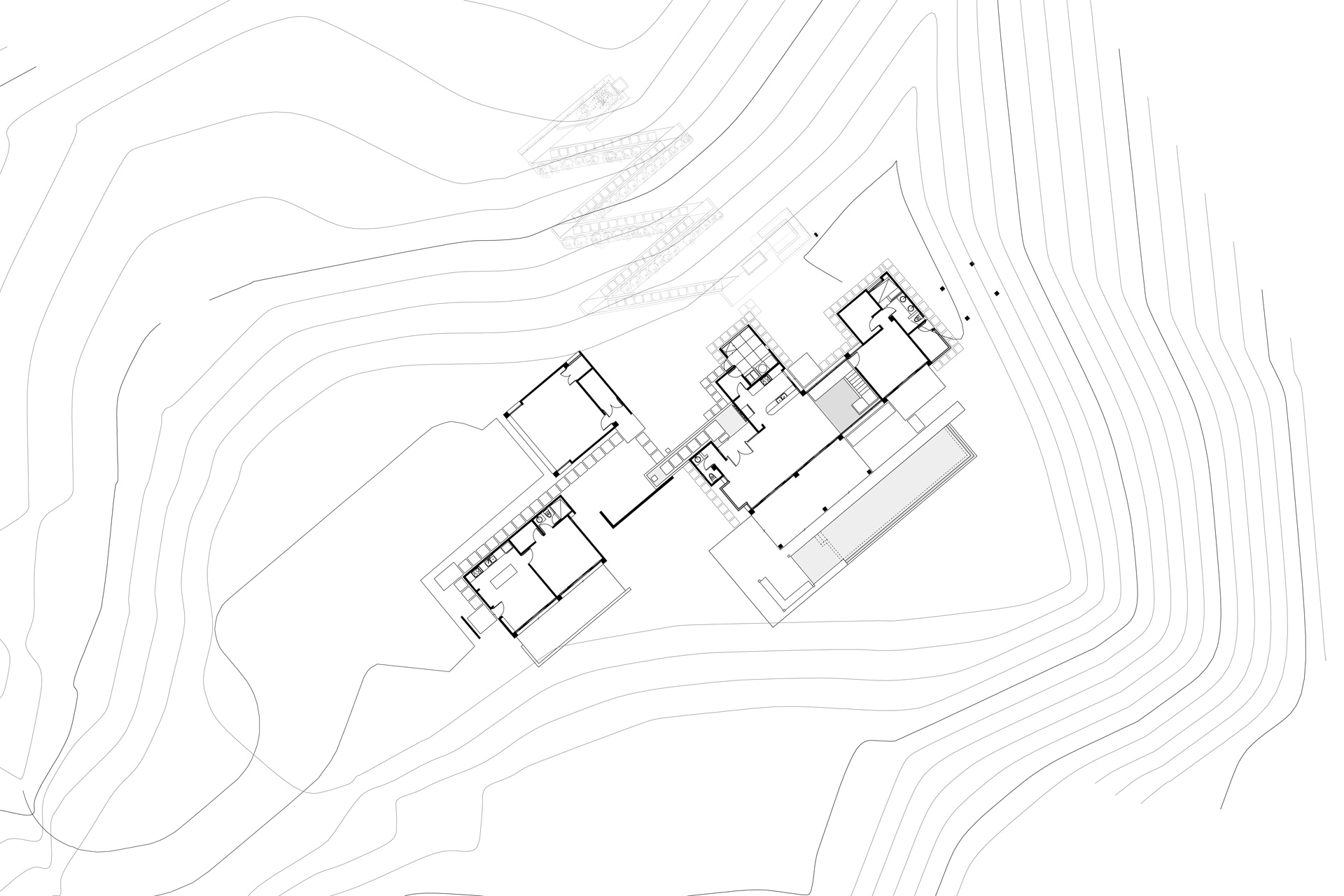
Perched on the lush mountains of Uvita, in the heart of Osa, Puntarenas, the Clifford House stands as a beacon of contemporary architecture while maintaining a harmonious connection with its natural surroundings. Overlooking the picturesque Bahía Ballena Bay, the house takes design cues from Balinese architecture, translated into a pristine white palette that reflects the purity of its tropical environment.
The house is composed of distinct wings, each offering unique spatial experiences. The social area, notably, is a striking double-height space that’s both narrow and tall, its towering white walls bathed in diffused natural light filtered through louvers. The architectural scheme is consciously contemporary, with a clear expression of structural elements contributing to an aesthetic of unadorned simplicity.
As much as it is a dwelling, the Clifford House is an experience. Lushly landscaped ramps create a verdant route down the slope, punctuated with a vegetable and spice garden – a true homage to the senses. Further augmenting the property’s appeal, a serene yoga terrace, an inviting guest house, and carefully detached service areas provide spaces for rejuvenation, hospitality, and efficient function. A standout feature is the mesmerizing infinity pool, blurring the lines between the built form and the encompassing natural landscape.
Location: Uvita, Puntarenas, Costa Rica
Area: Interior: 344.70 m2, Exterior: 260 m2
Status: Built
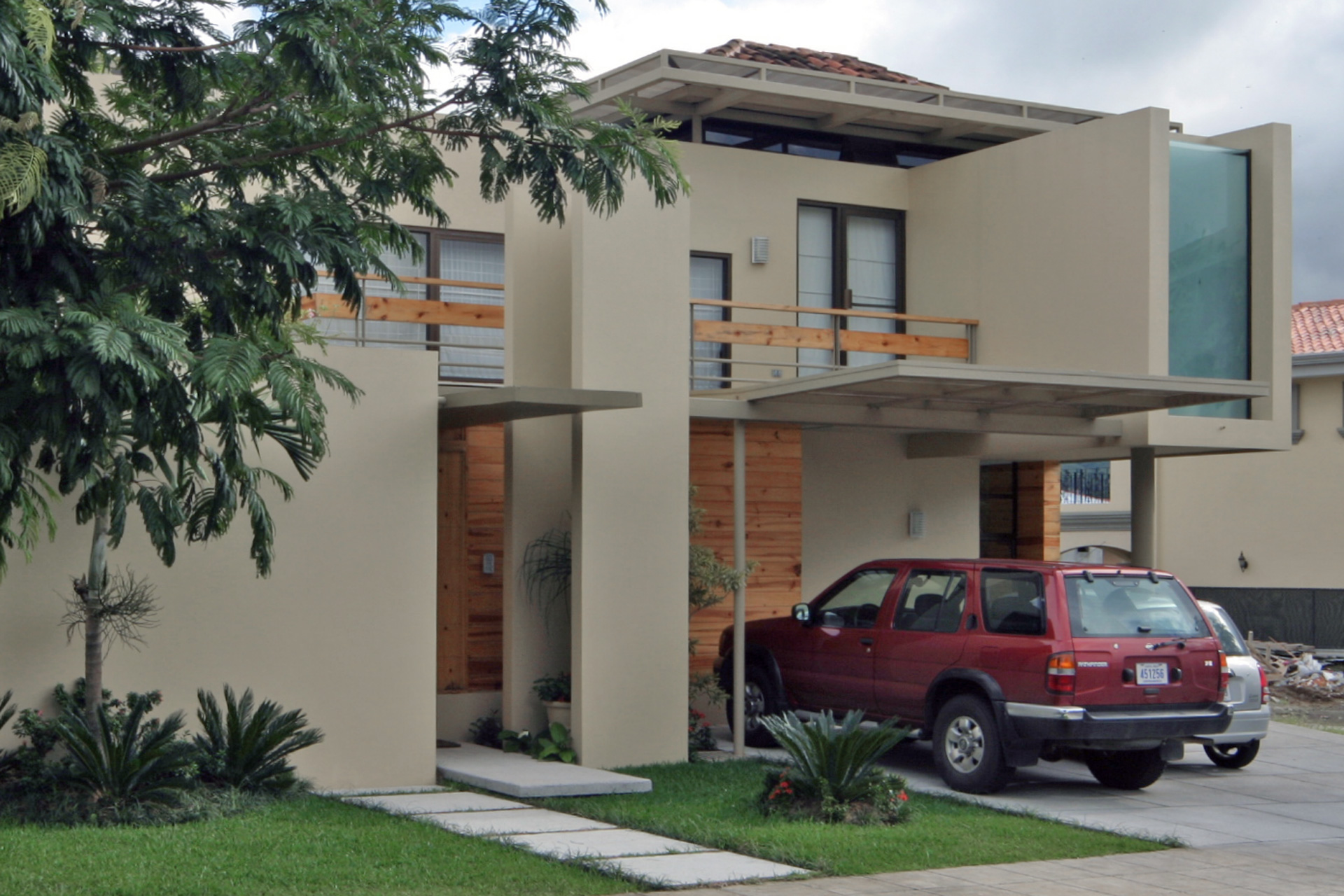
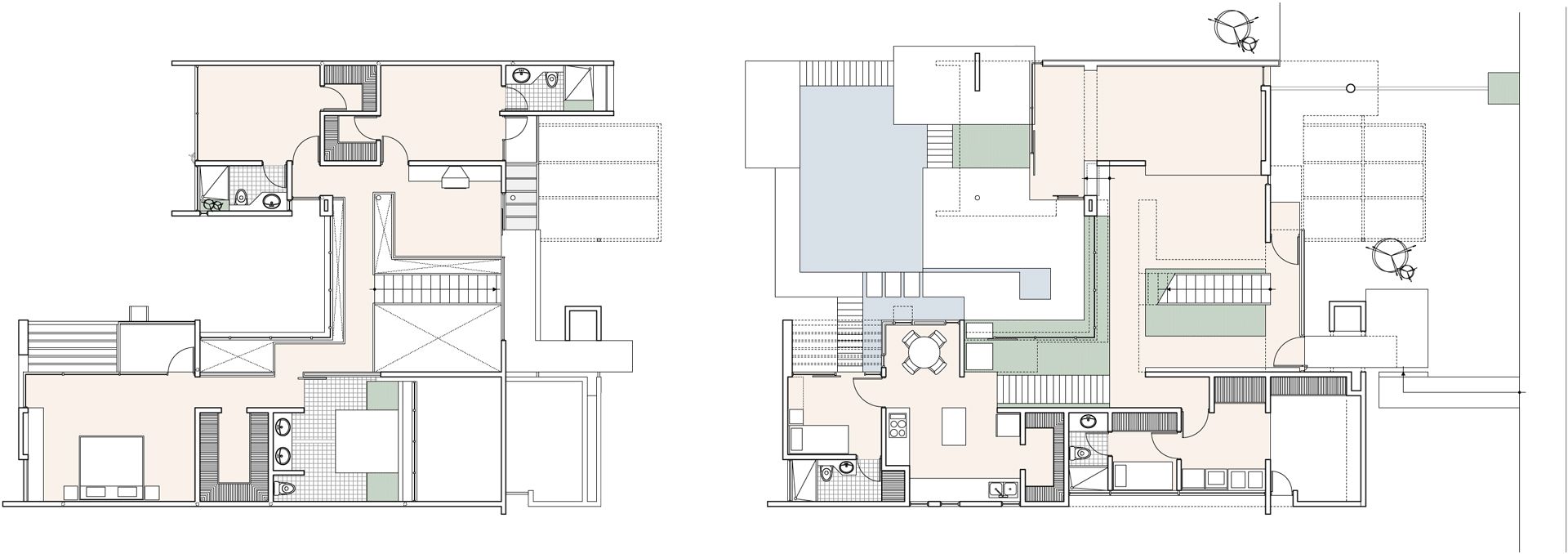
Location: Valle del Sol, Santa Ana, Costa Rica
Area: 450m2
Status: Built
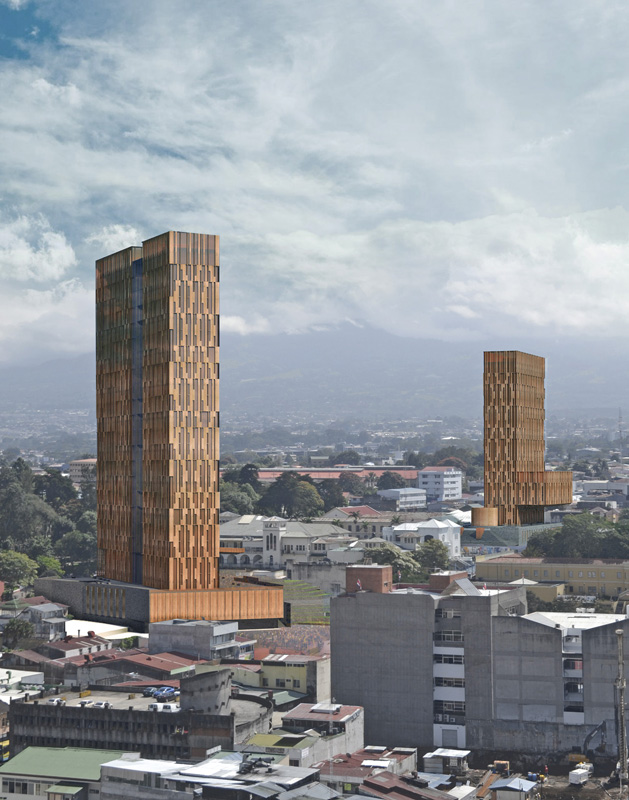
Location: San José, Costa Rica
Area: M2: Interior: 46.214.4 Exterior: 17.800
Status: Anteproyecto – Concurso
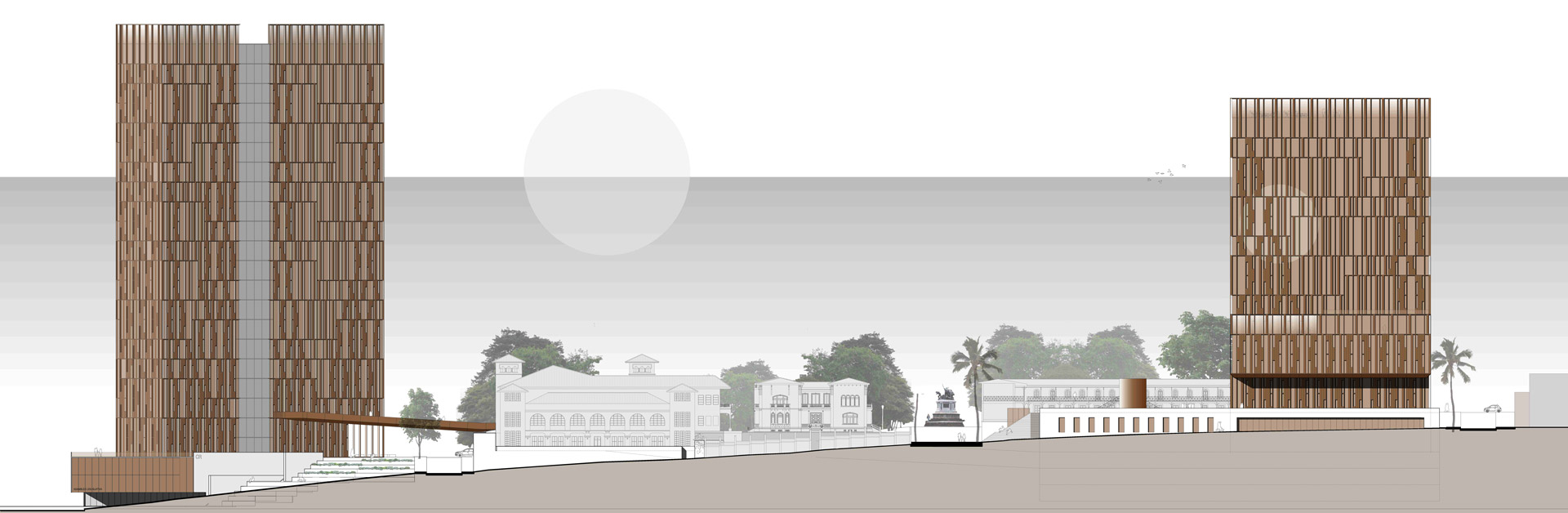

Fideicomiso BCR
2013-2012
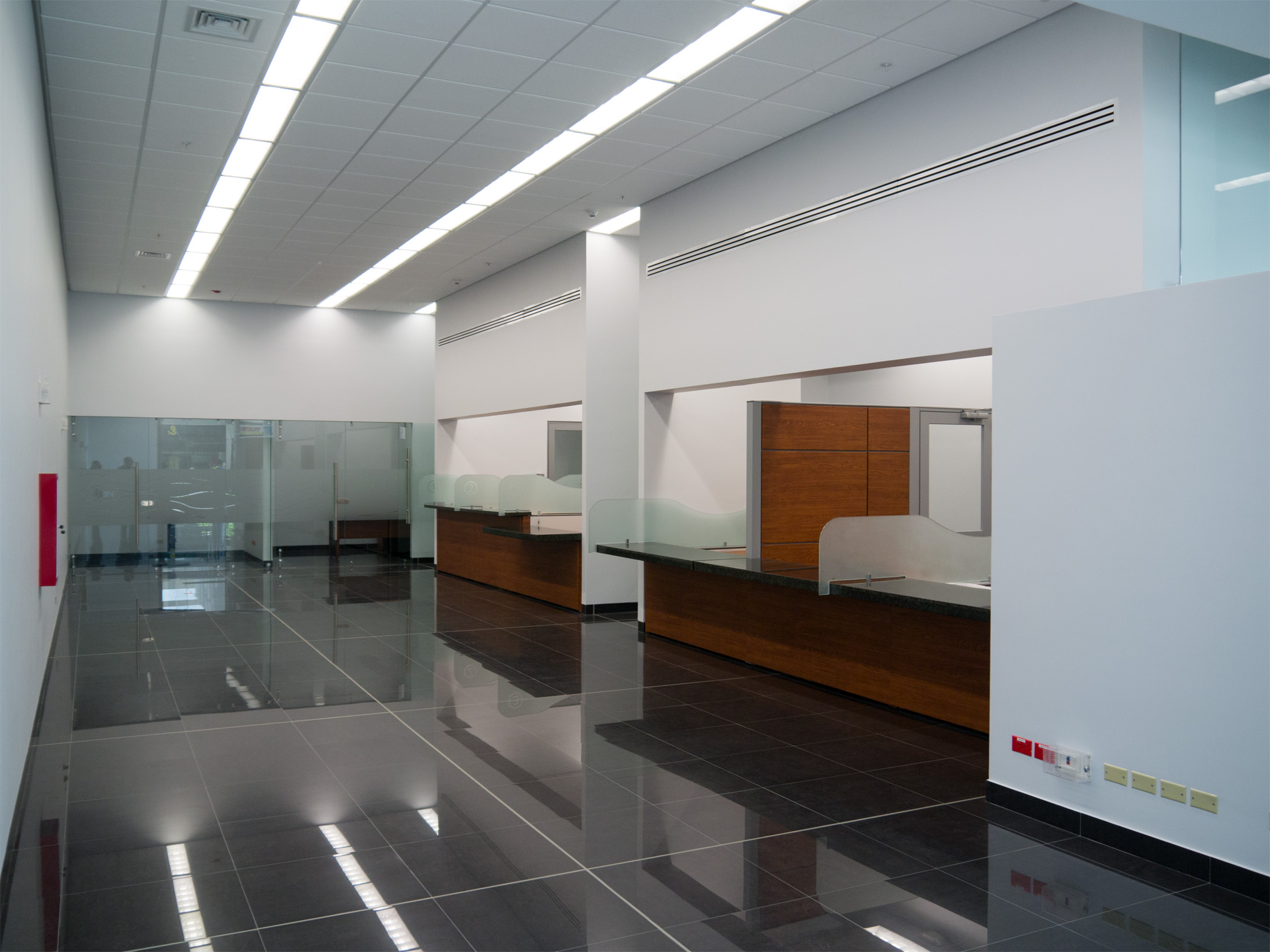
Agrisal Group develops this Bank Agency for the Banco Nacional de Costa Rica for it’s Plaza Tempo project.
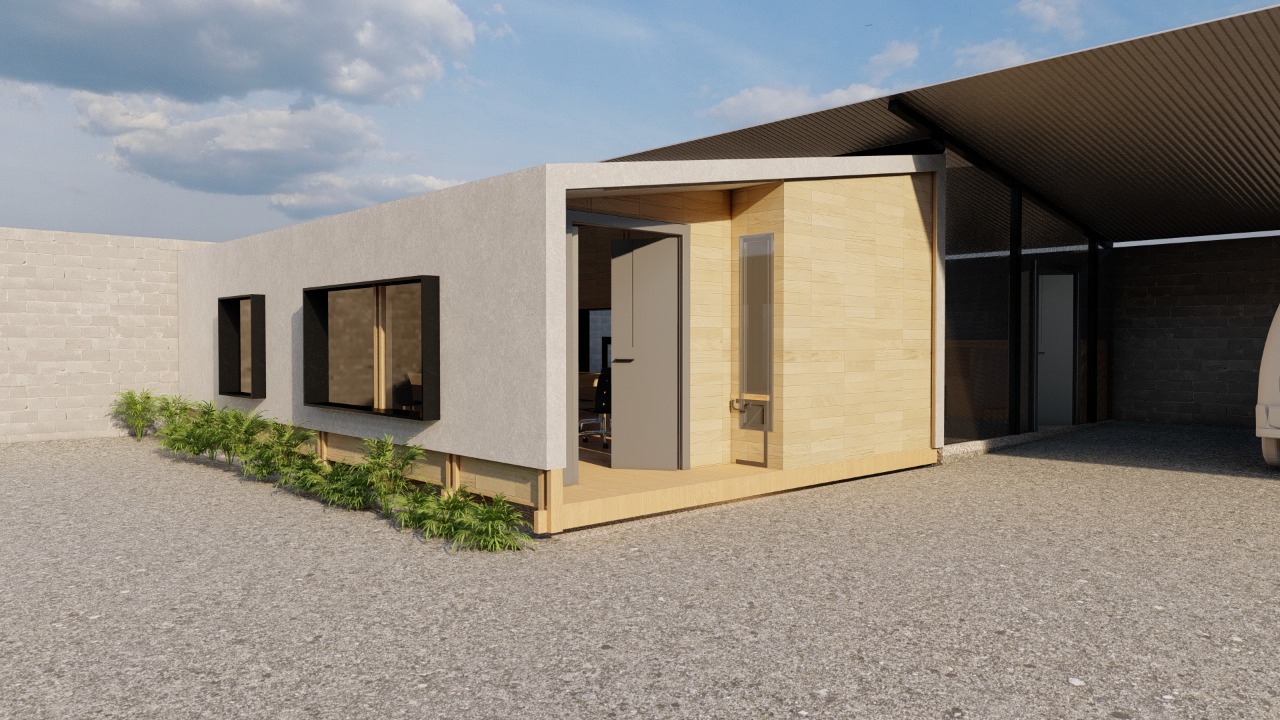
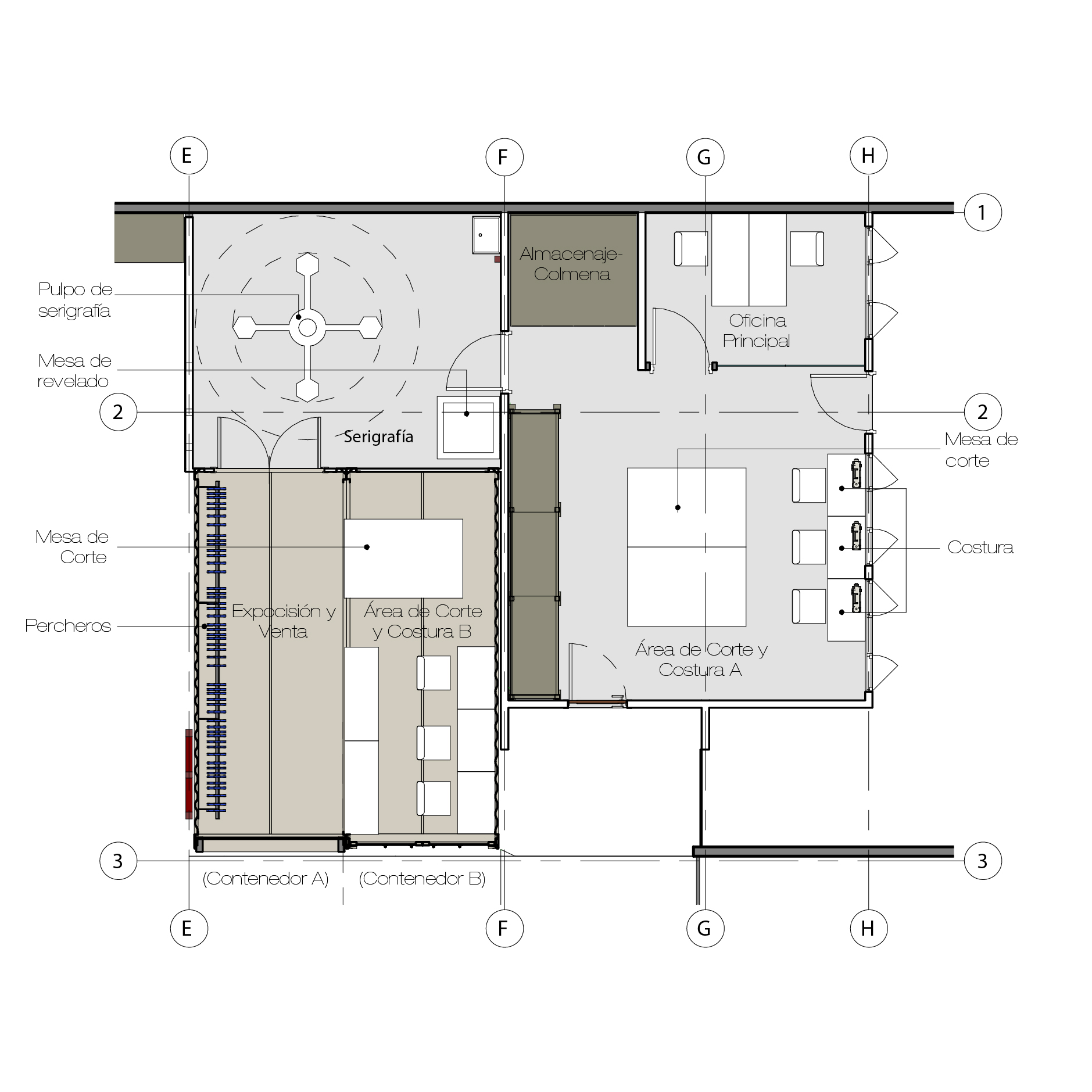
Huella Colectiva social project that seeks to use apparently discarded material to be used in the creation of new comercial articles, improving the condition of the society and the environment.
Our design proposal seeks to make its factory works in an itinerant and low cost way.
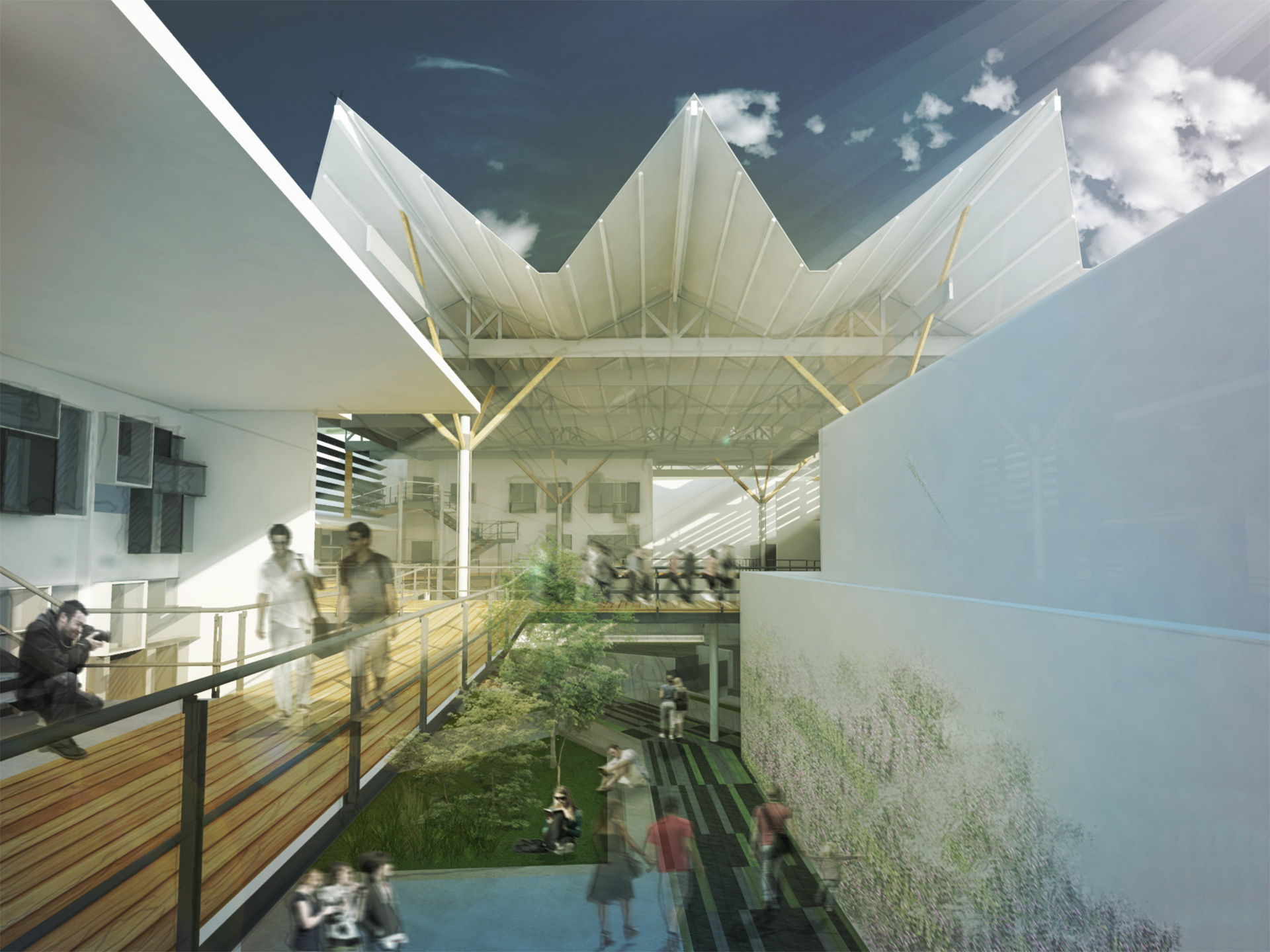
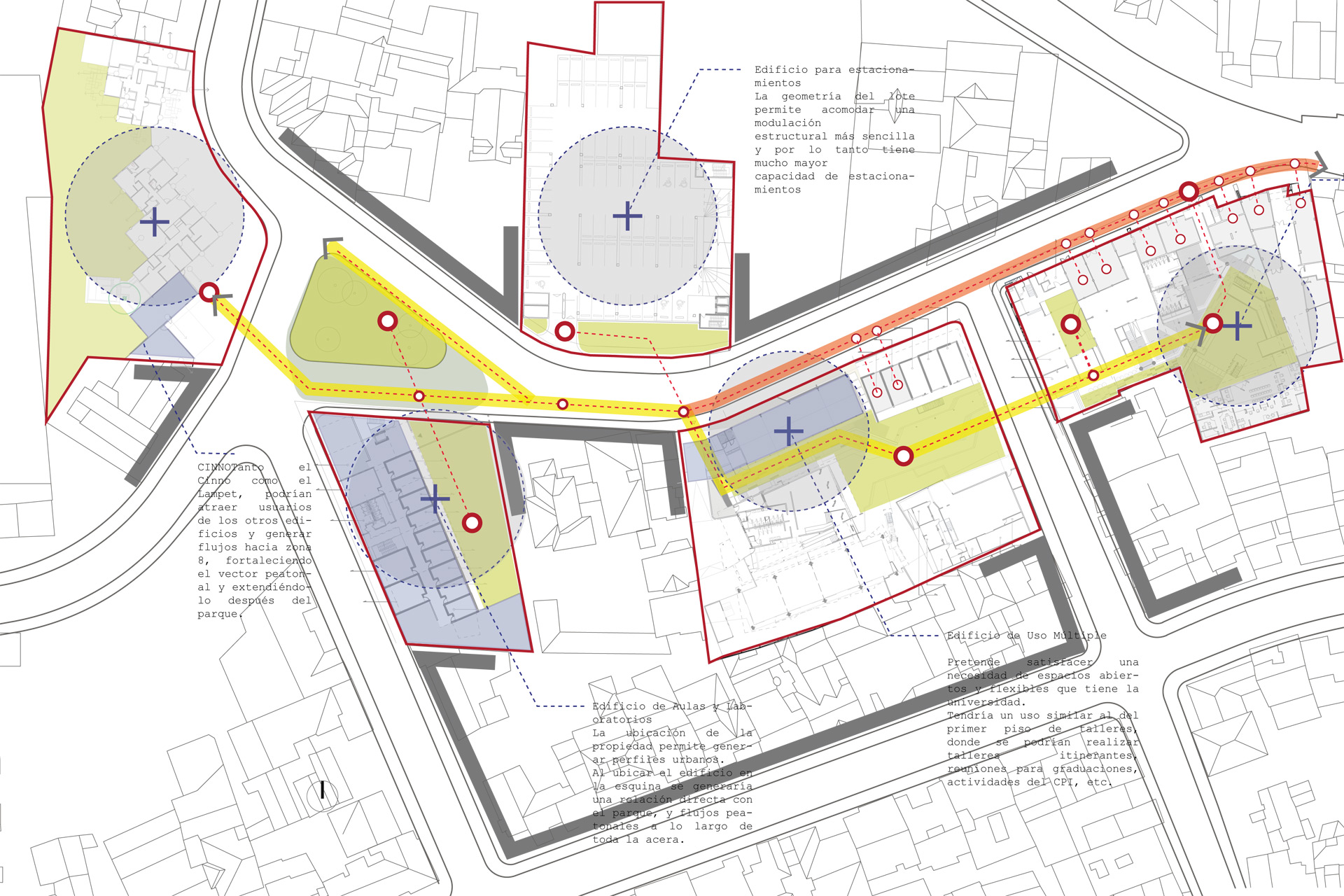
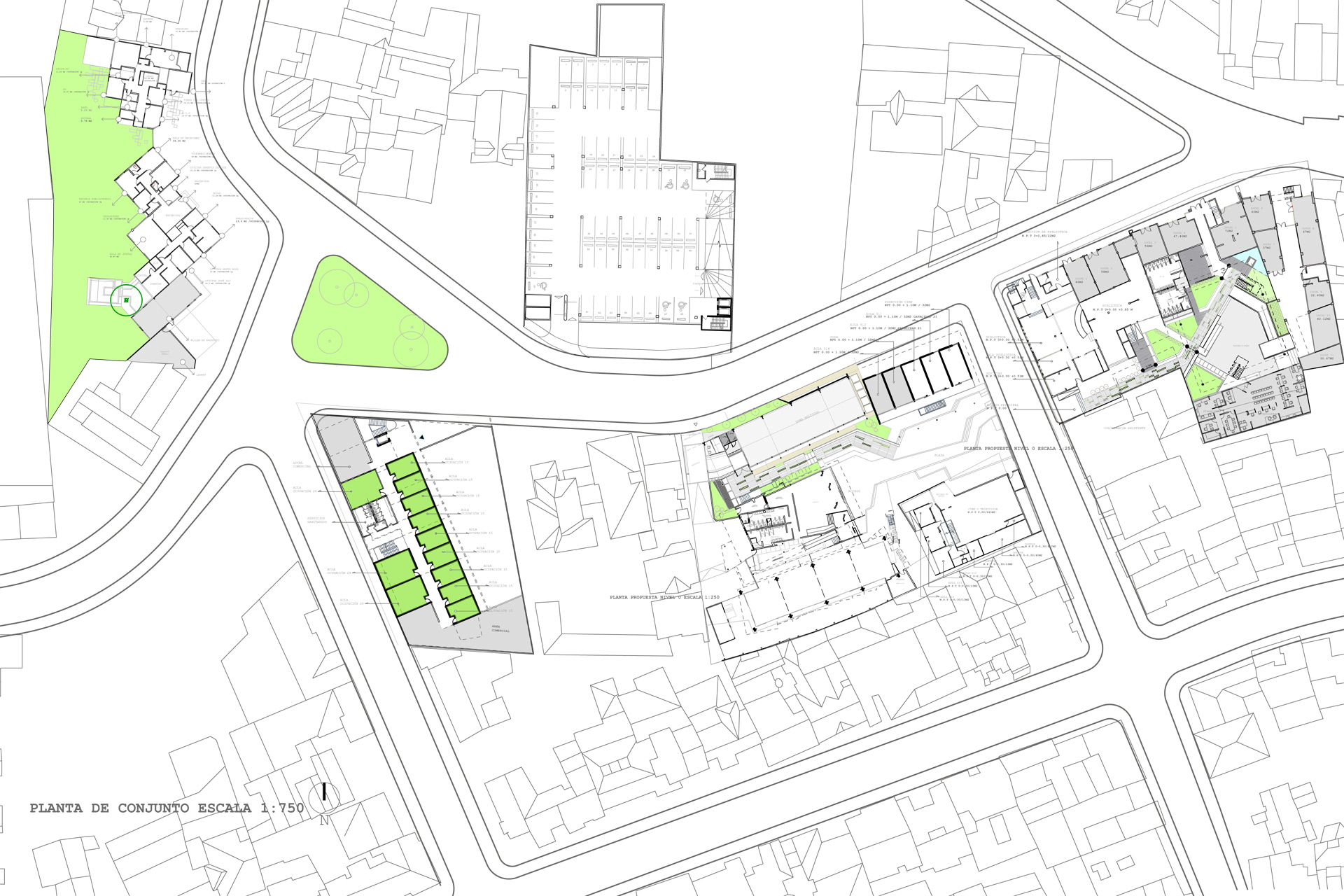
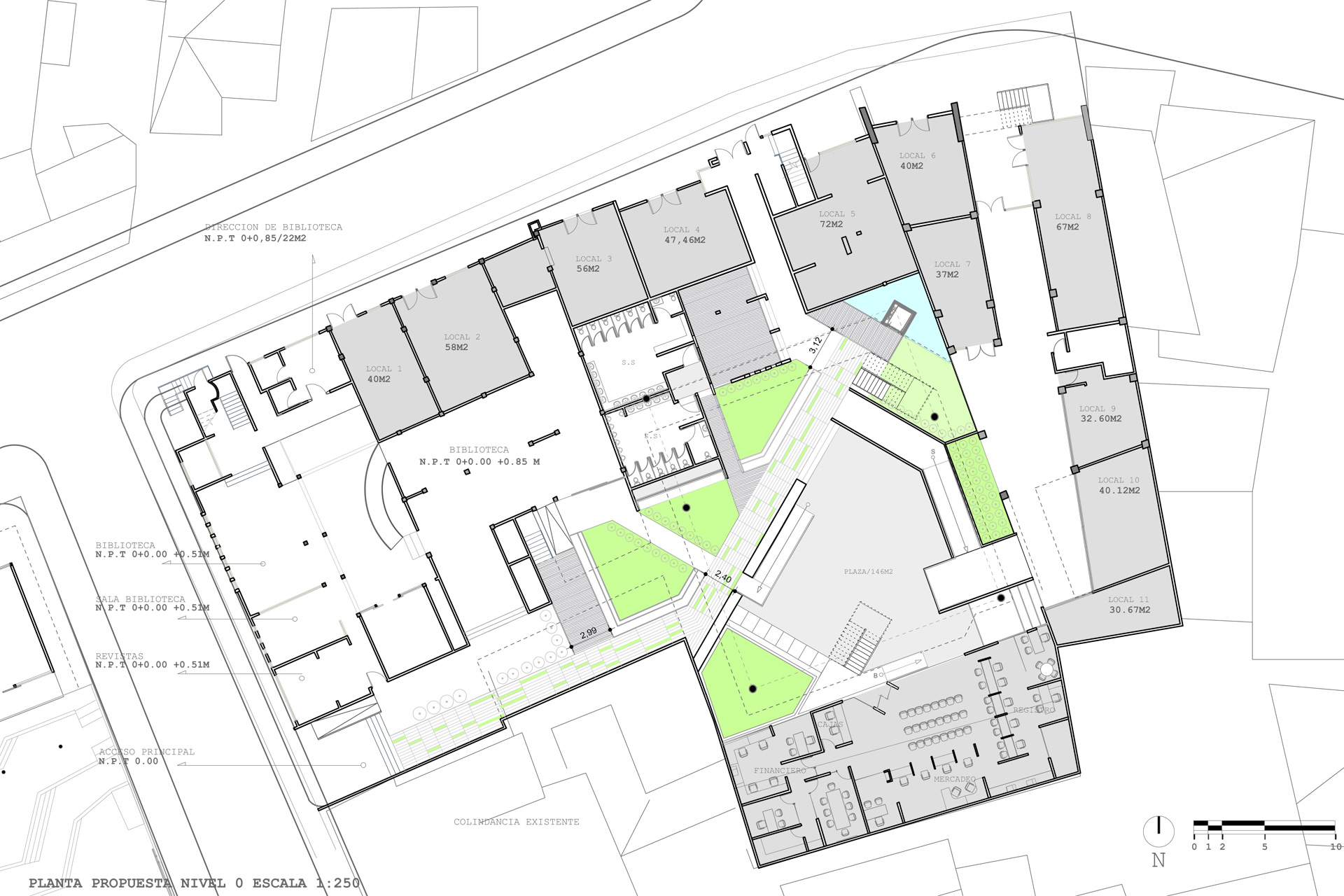
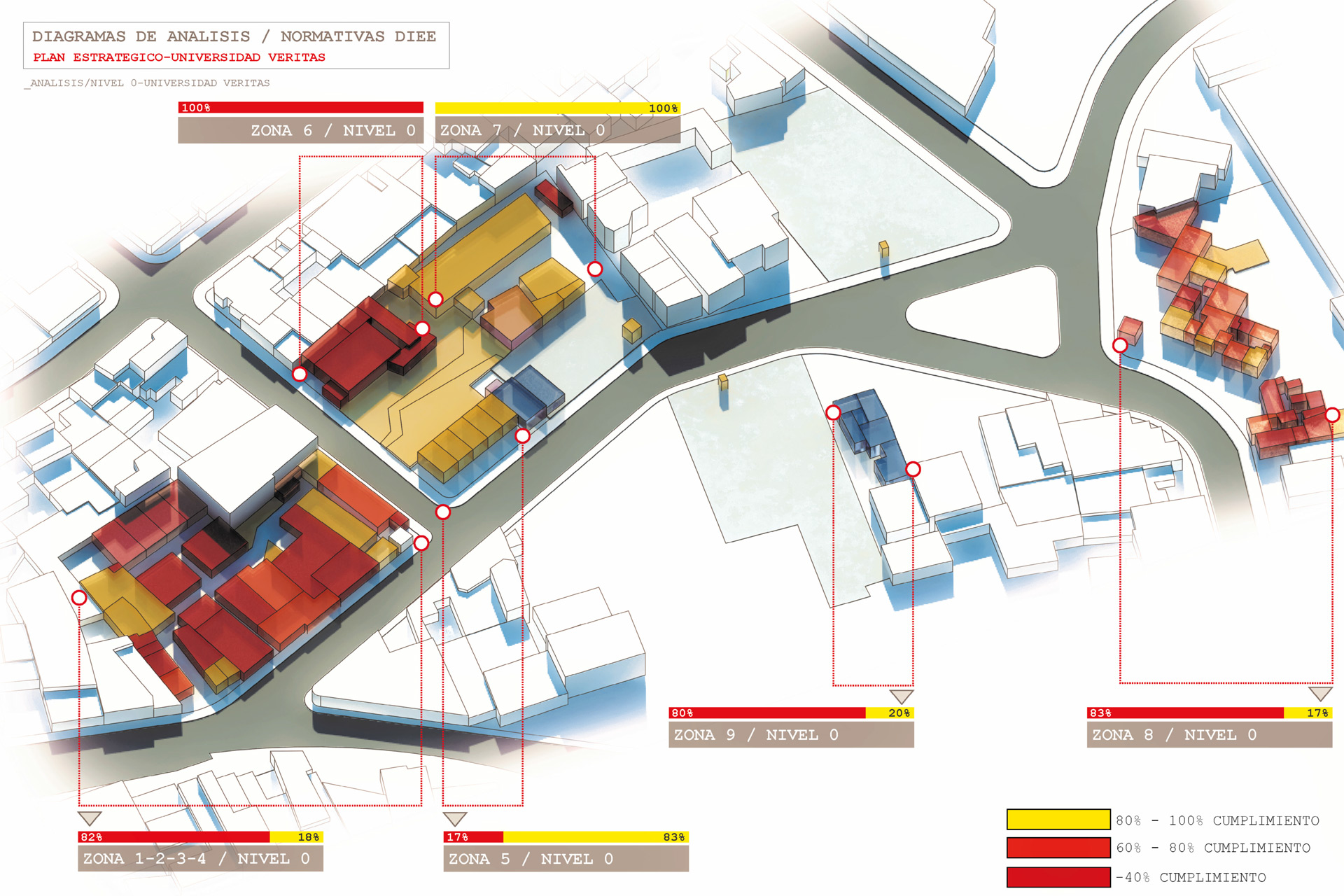
ICESA partnered with Tactic to reimagine the existing campus of Veritas University. Together, we cultivated a progressive design concept aimed at instilling life, coherence, and vitality into the existing array of buildings which had become cluttered and non-compliant with modern standards. Our approach leveraged the creation of a series of interlinked public spaces, ensuring the campus was both functional and engaging for its users.
A key feature of the design was the establishment of a clear, flowing circulation system with enriched social spaces, organized around a central roofed plaza, which became the beating heart of the campus. This innovative arrangement facilitated effortless movement and interaction, fostering a sense of community and belonging within the university grounds.
As part of our mission to infuse the existing buildings with a renewed sense of purpose and compliance, they were made more porous, inviting an influx of natural light and facilitating better ventilation, augmenting the overall quality of the interior spaces.
Future expansion was also considered, with planned structures to satisfy the ever-evolving needs of the university. The collaborative effort of ICESA and Tactic thus resulted in an agile, vibrant, and cohesive campus environment for Veritas University that stands as a testament to the transformative power of well-considered design.



In accumsan metus at magna vehicula placerat tempor varius ipsum. libero, non congue odio vulputate eu. Phasellus euismod magna ac est.
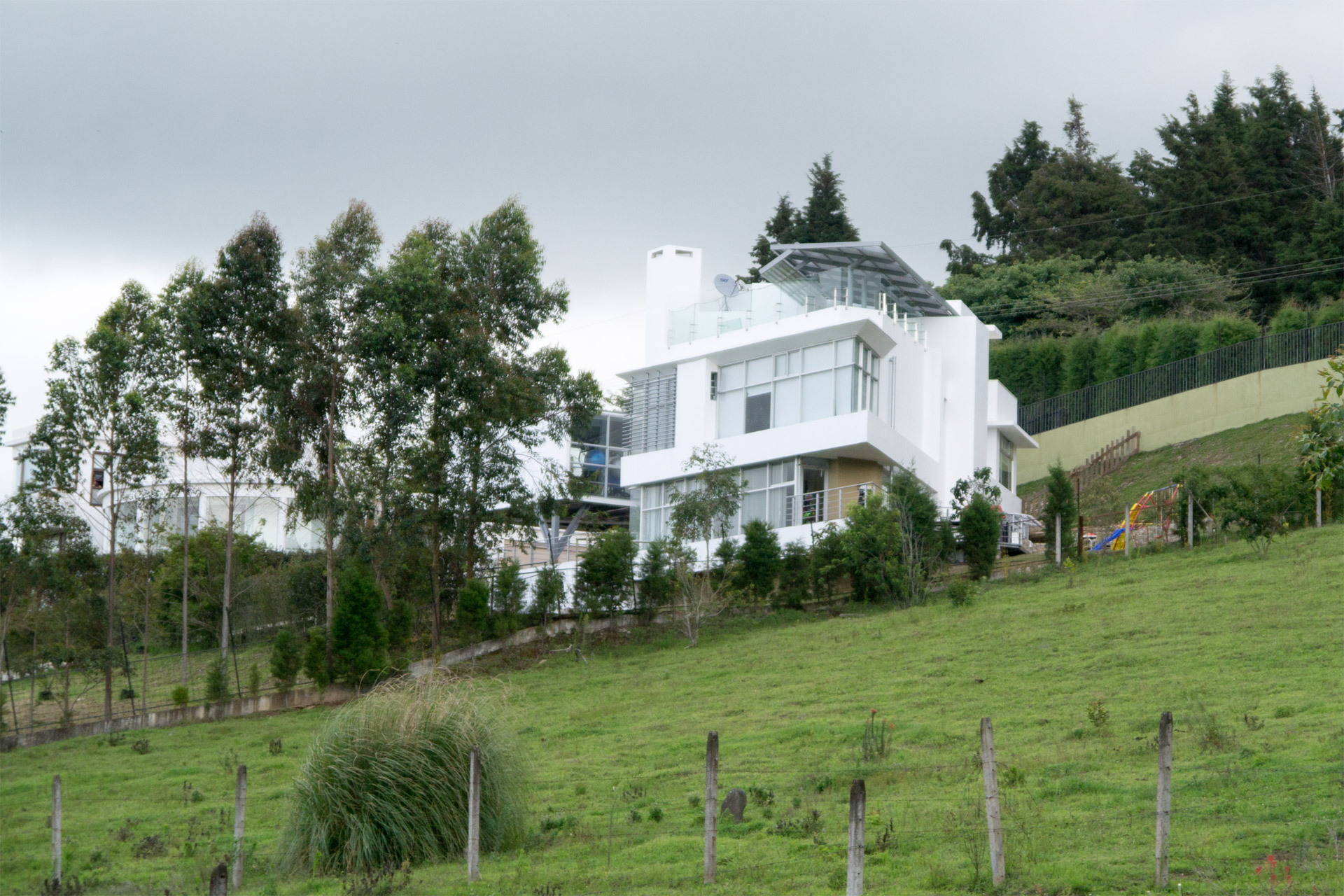
This house it’s located in Ochomogo, Cartago
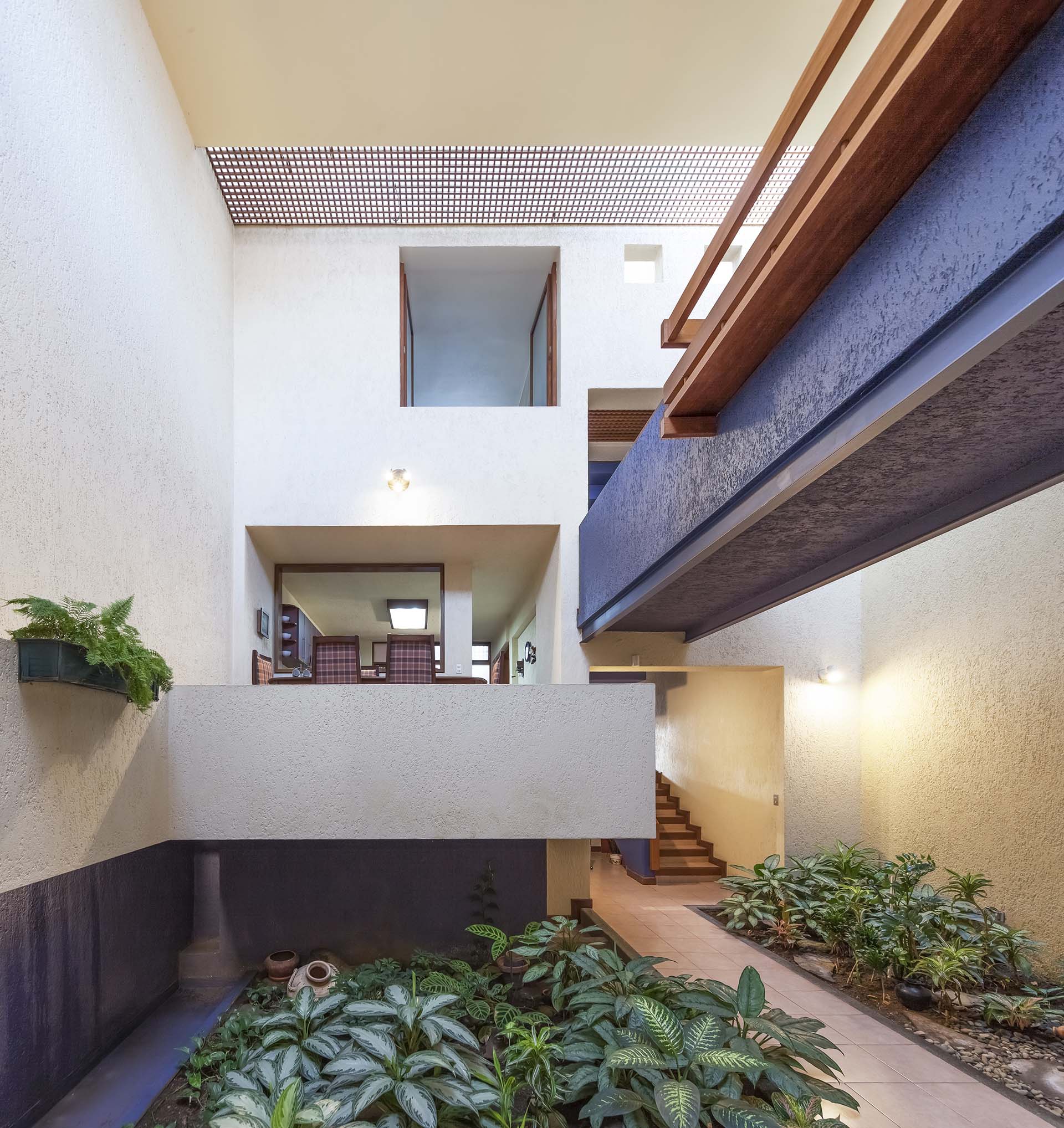
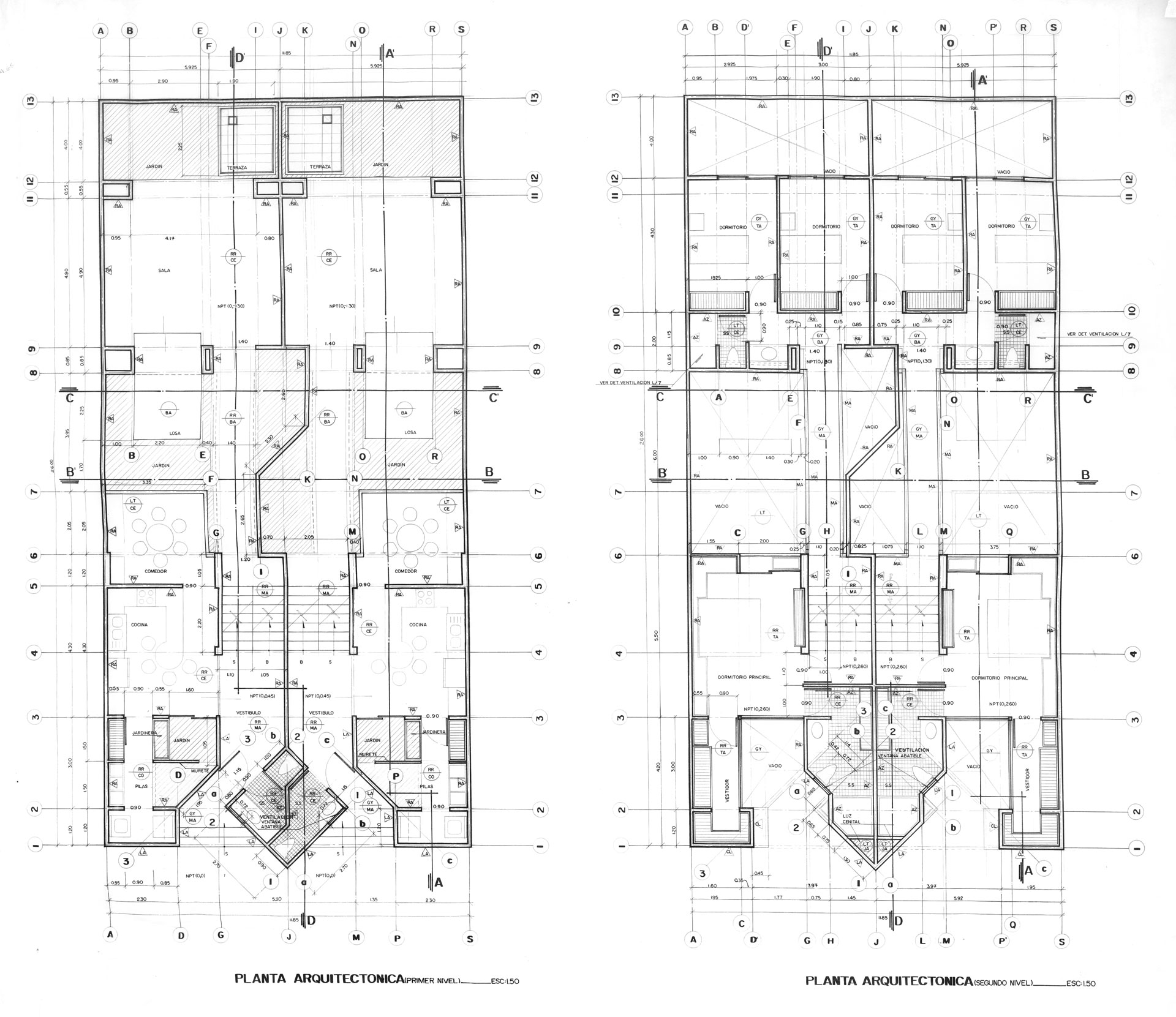
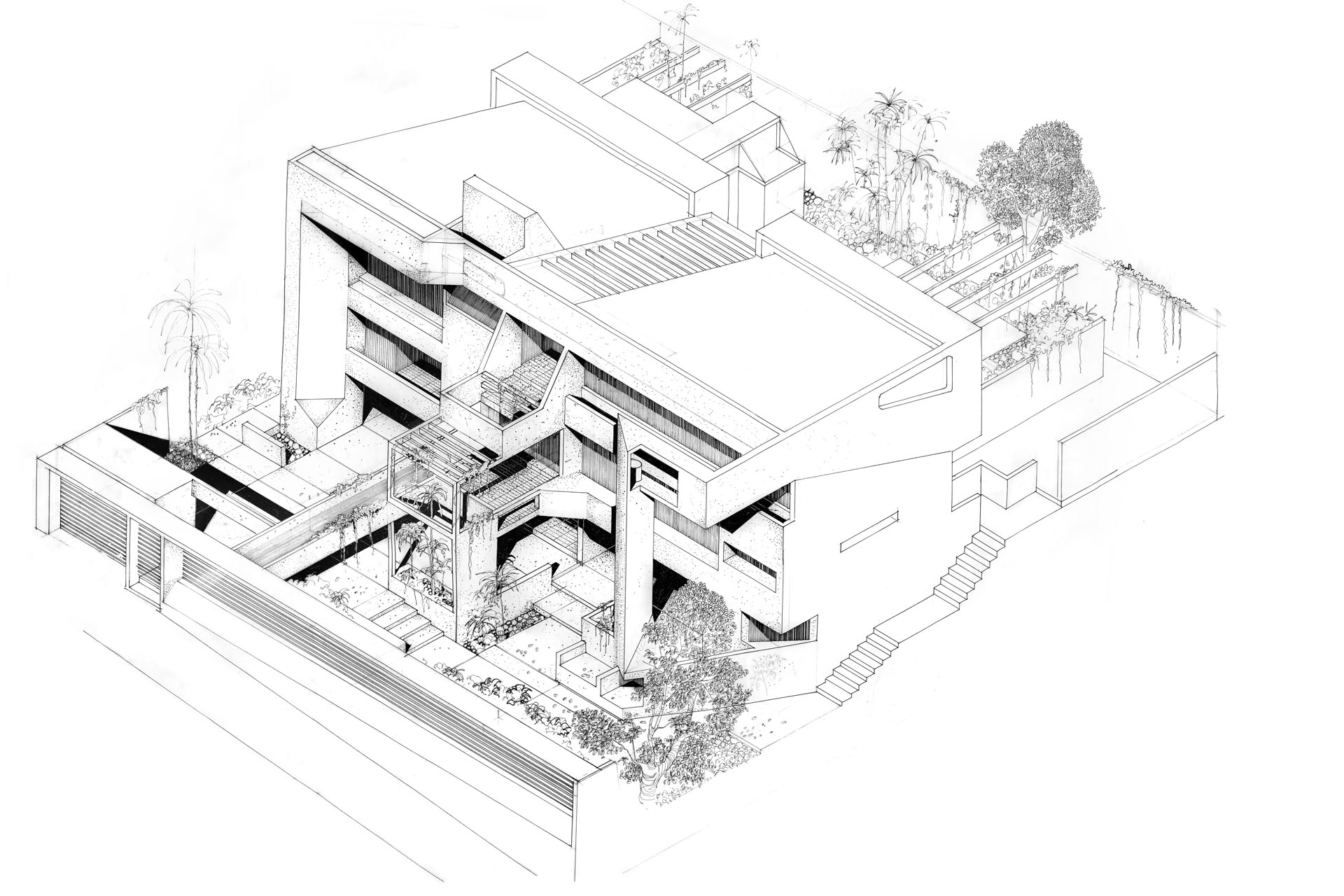
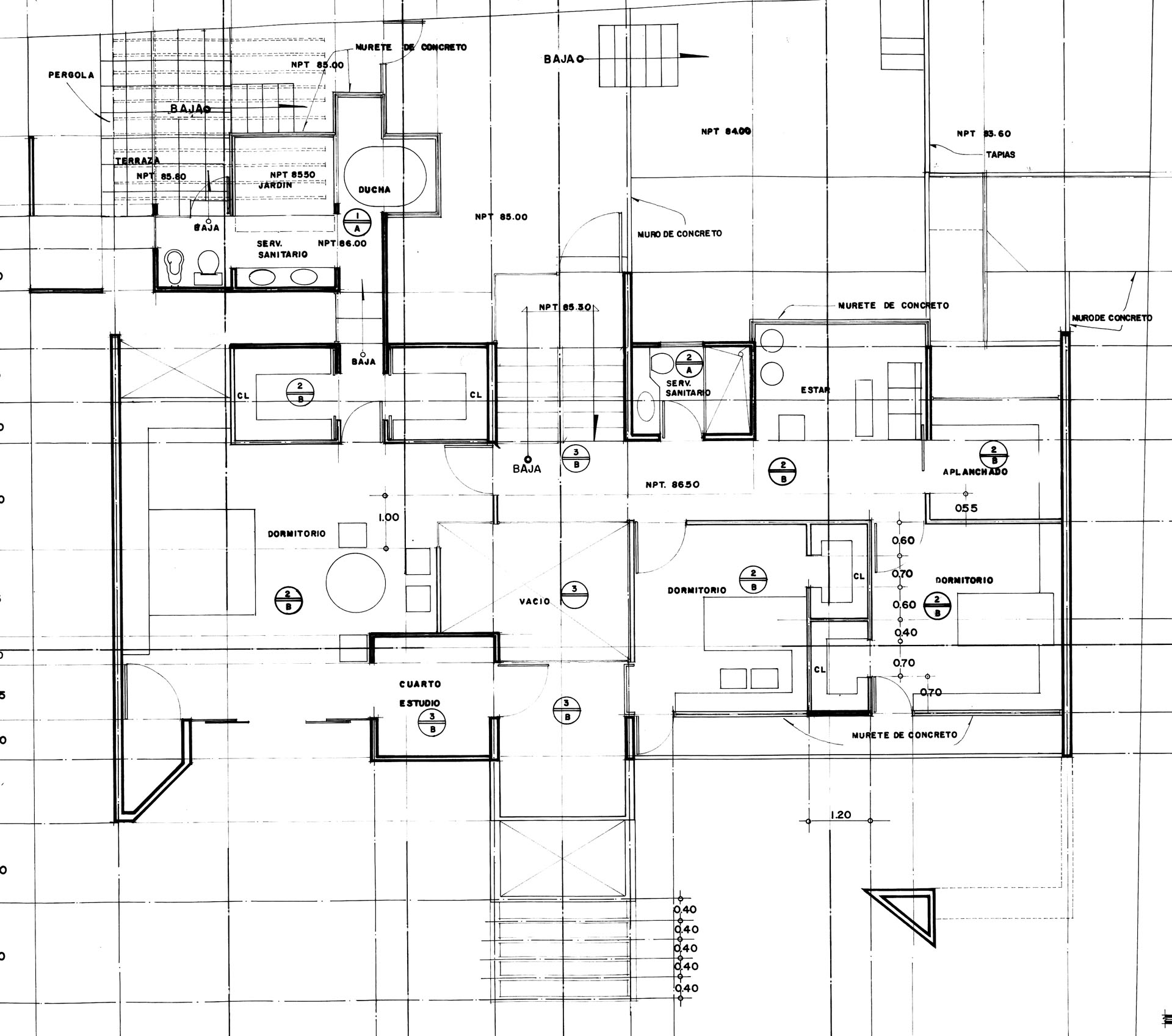
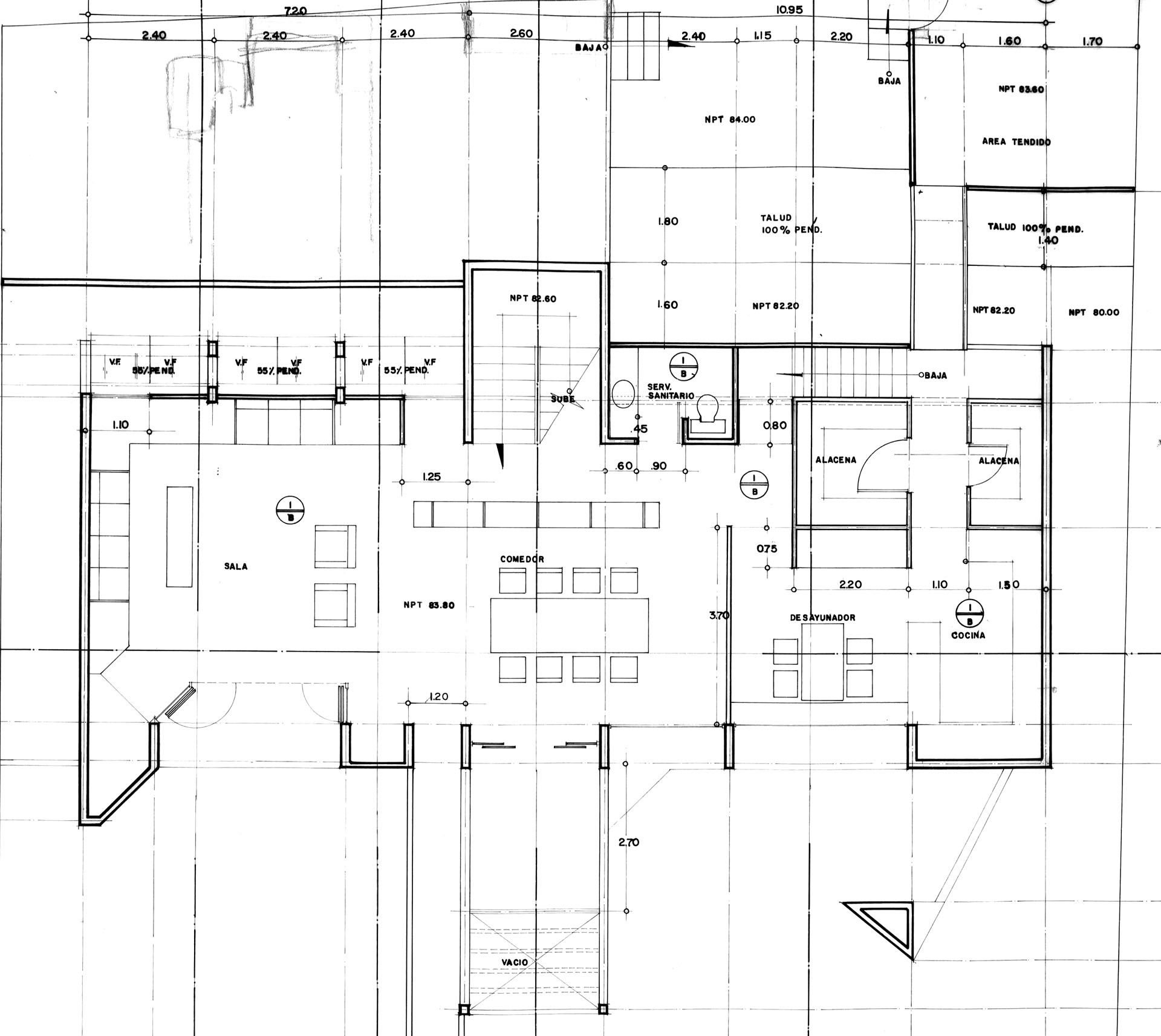
Nestled amidst the vibrant urban fabric of the city, the Sanabria Murillo Apartments embody a unique fusion of innovation, elegance, and spatial intelligence. This three-story building, expertly crafted by ICESA (Ingeniería, Ciudad, Espacio y Arquitectura), presents an imaginative interpretation of urban residential design.
The apartments boast a unique layout, each centering around a roofed, three-story interior patio, which is illuminated by meticulously crafted skylights. This distinctive feature not only infuses the apartments with natural light but also creates an ethereal, almost monumental, spatial quality within each residence.
The heart of each apartment, the patio, is punctuated by a solid mezzanine that appears to float above a reflective pond. The mezzanine, which serves as the dining area, is connected to the bedrooms at the rear of the property by a bridge that traverses the atrium. This architectural approach crafts an unusual and intriguing spatial narrative, an aspect of ‘small monumentality’ seldom encountered in urban residential projects.
Externally, the Sanabria Murillo Apartments are equally striking. The design consists of a concrete cube with a singular, large arch-shaped subtraction, within which a brick volume stands. This brick centerpiece, positioned along the symmetry axis, is framed by a balcony perched above, offering panoramic views of the neighborhood below. The interplay between the concrete, brick, and the arch captures a unique balance between strength and openness, a hallmark of ICESA’s design philosophy.
The Sanabria Murillo Apartments have garnered acclaim within the architectural community, and their pioneering design has been featured in professional Costa Rican books. This project serves as a testament to ICESA’s commitment to revolutionizing urban residential design through innovative and sustainable architecture.
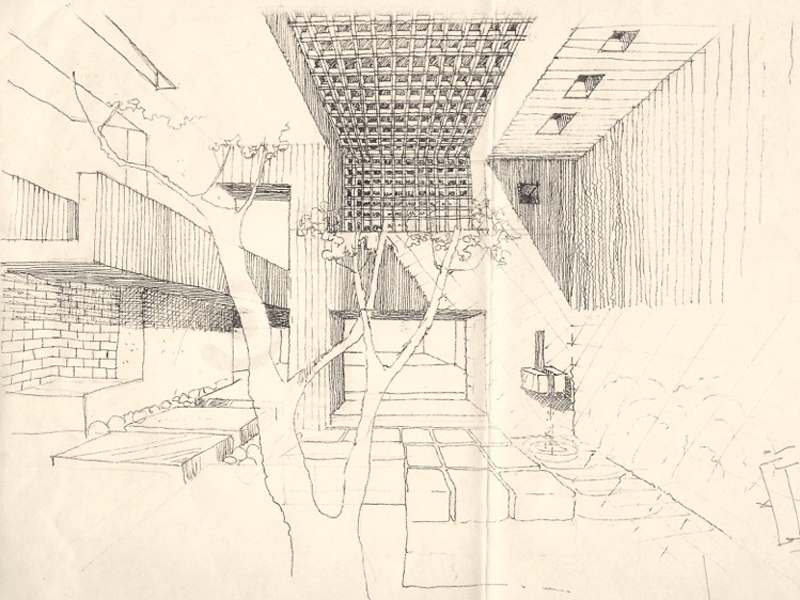

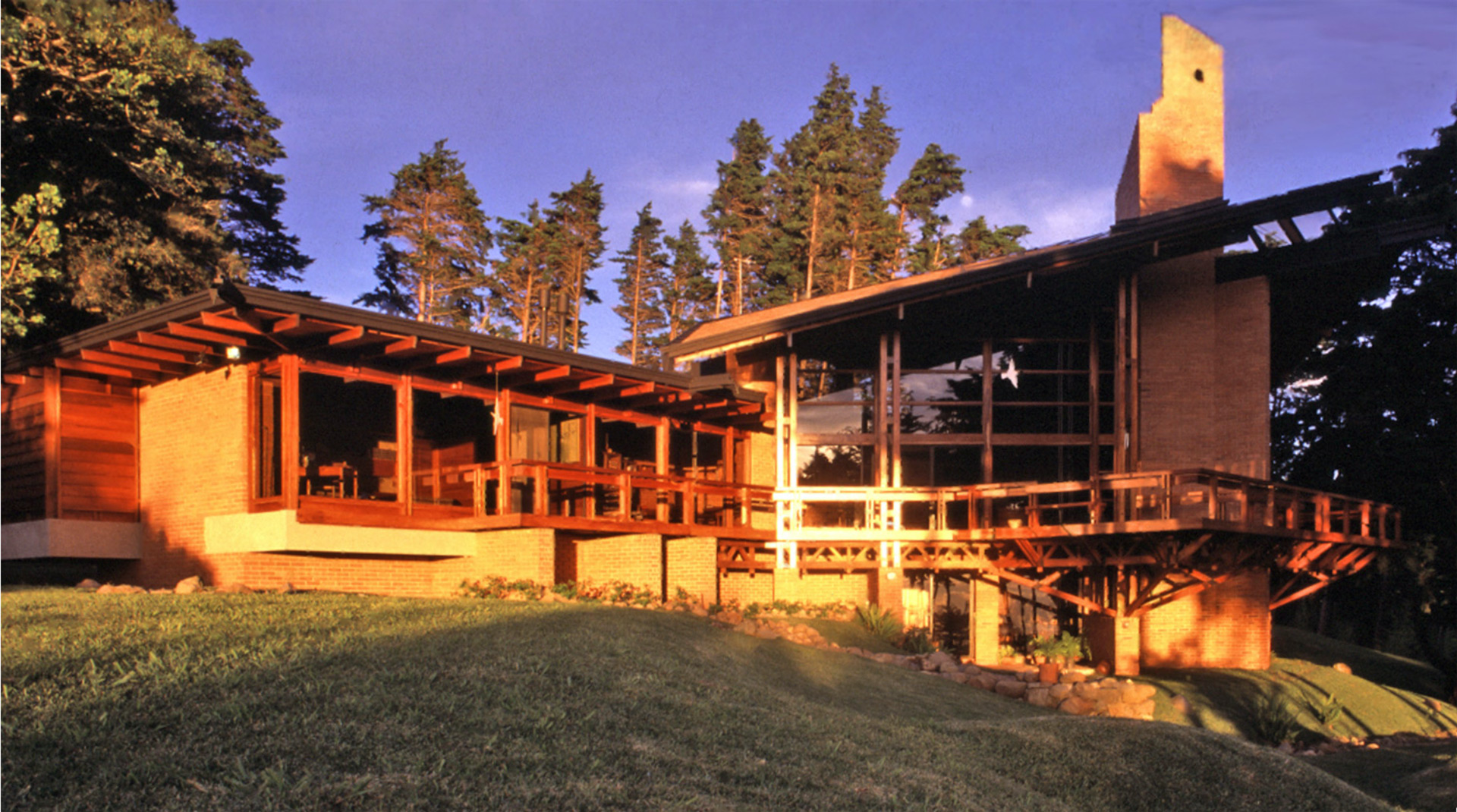
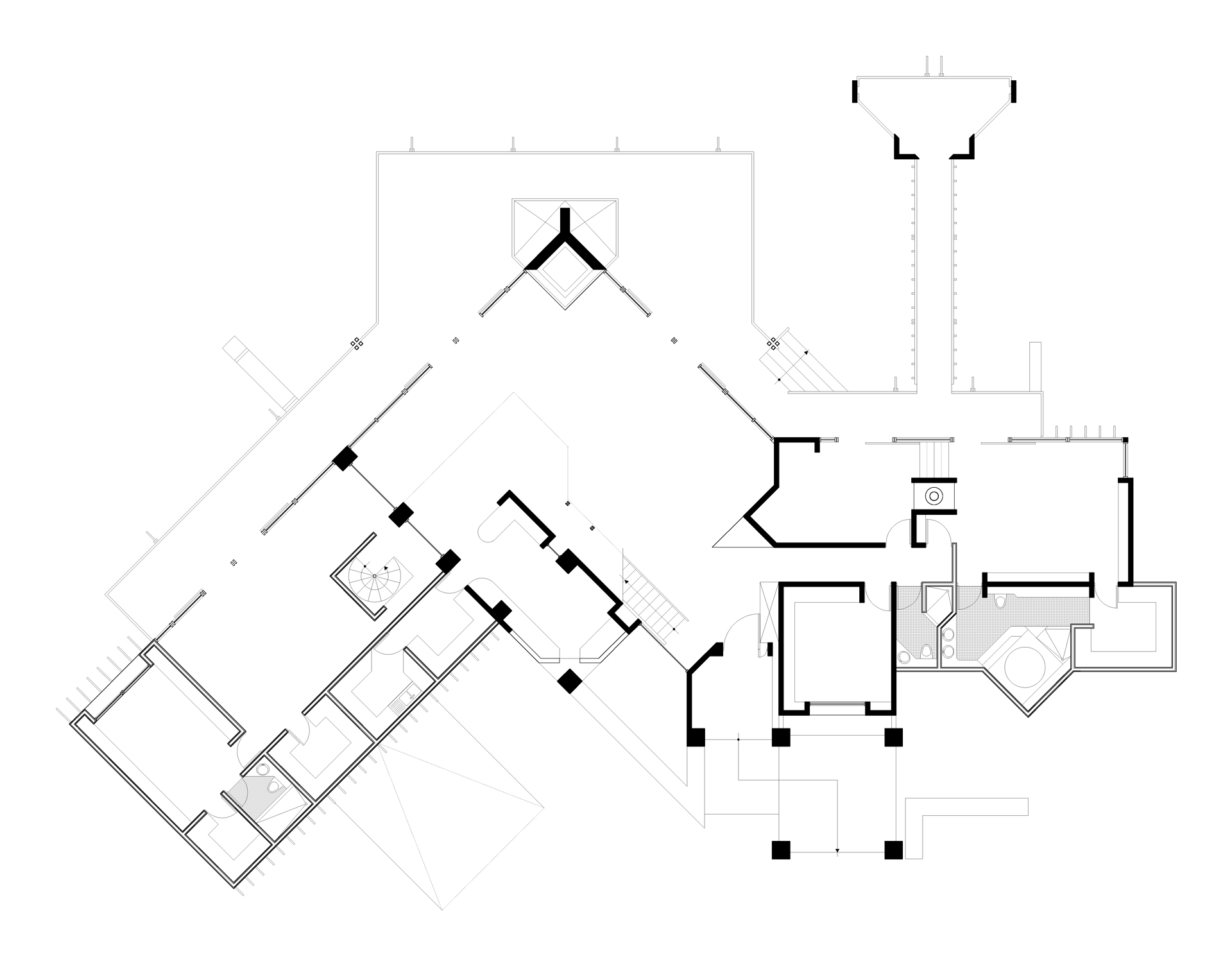
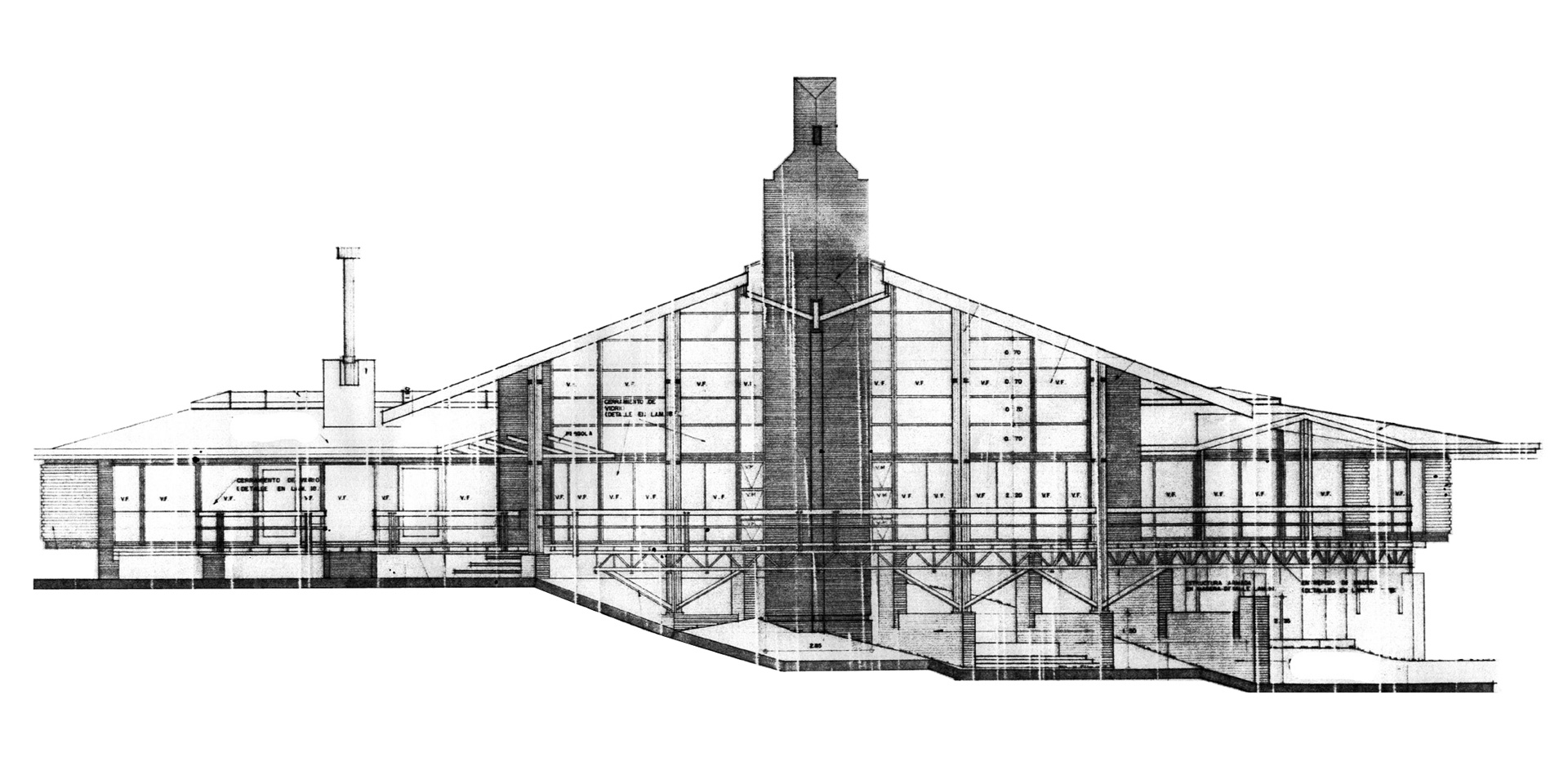
Casa Spi, a signature design house by ICESA, is hailed as the Best Brick and Timber House in Latin America. This architectural masterpiece showcases an exceptional blend of brick and timber, creating an aesthetically pleasing balance between modern design and natural warmth. Open to breathtaking views, Casa Spi features a spacious great room adorned with high ceilings, and a skylight that showers a monumental fireplace with natural light. Its sustainable design principles are evident in its seamless integration with the surrounding landscape, underscoring our commitment to environmental stewardship while delivering high-end, luxurious living spaces.
An influential example of Contemporary Costa Rica Architecture
Location: San Jose de la Montaña, Heredia, Costa Rica
Area: 1100m2
Status: Built
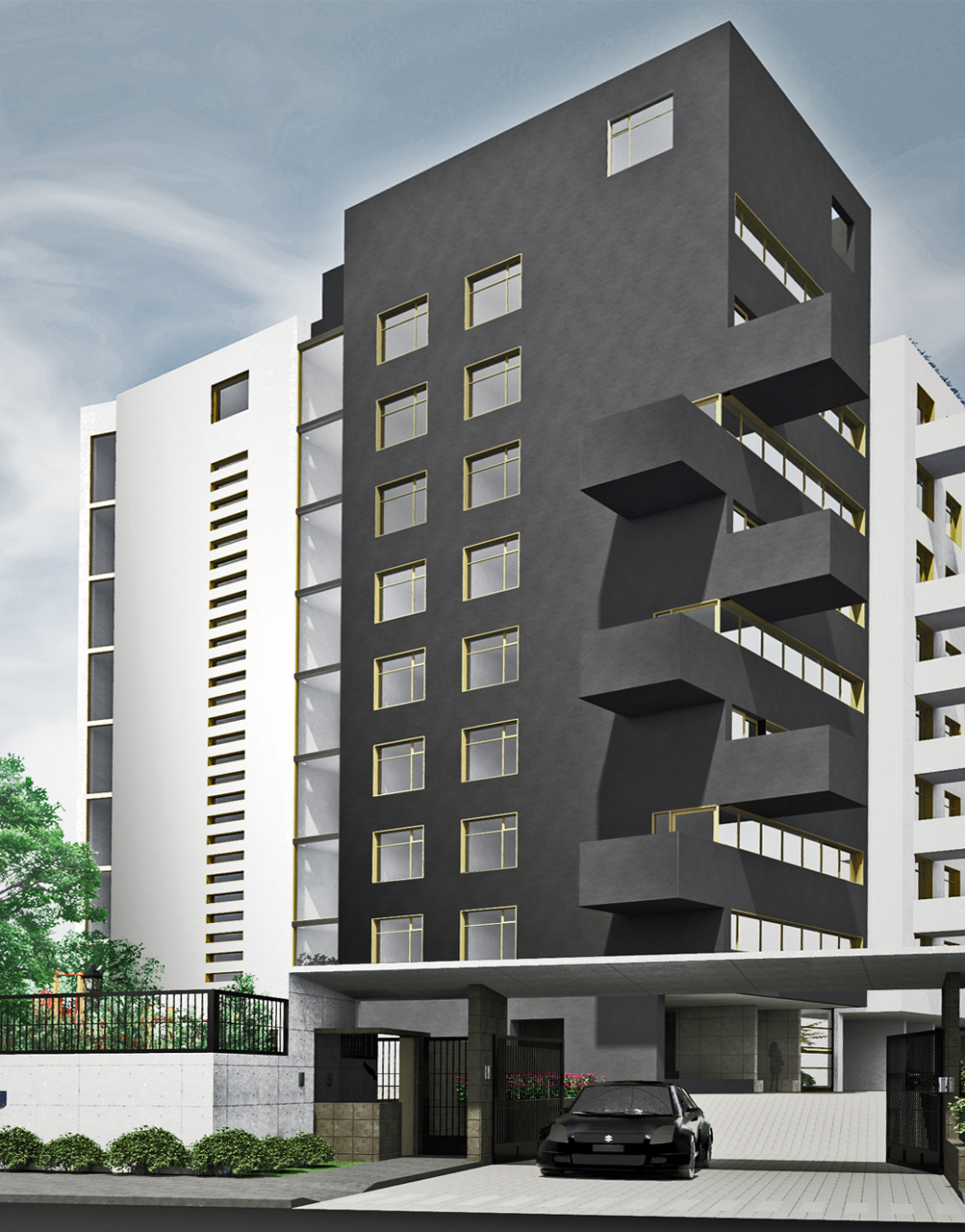
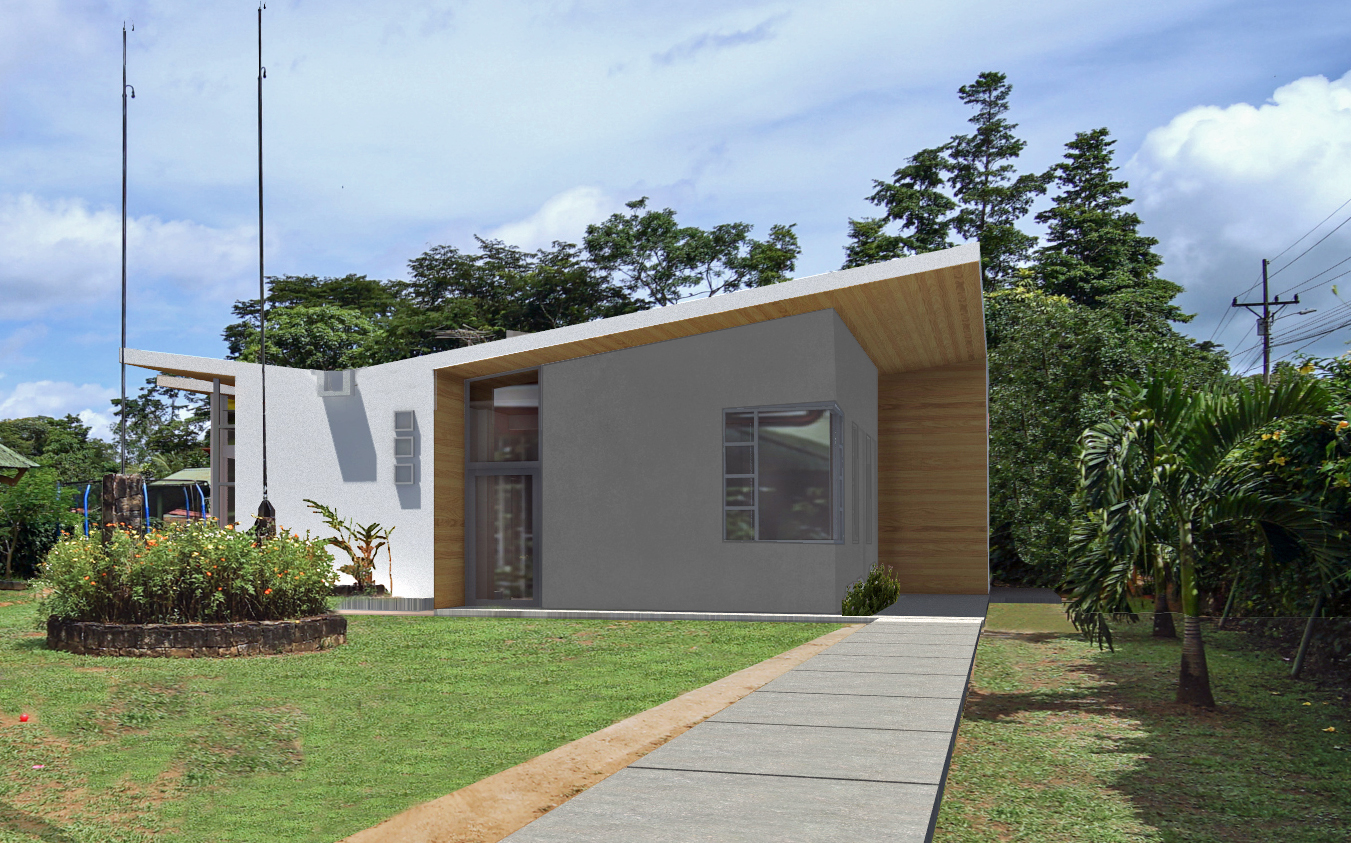
Proyecto de remodelación en Perez Zeledón.
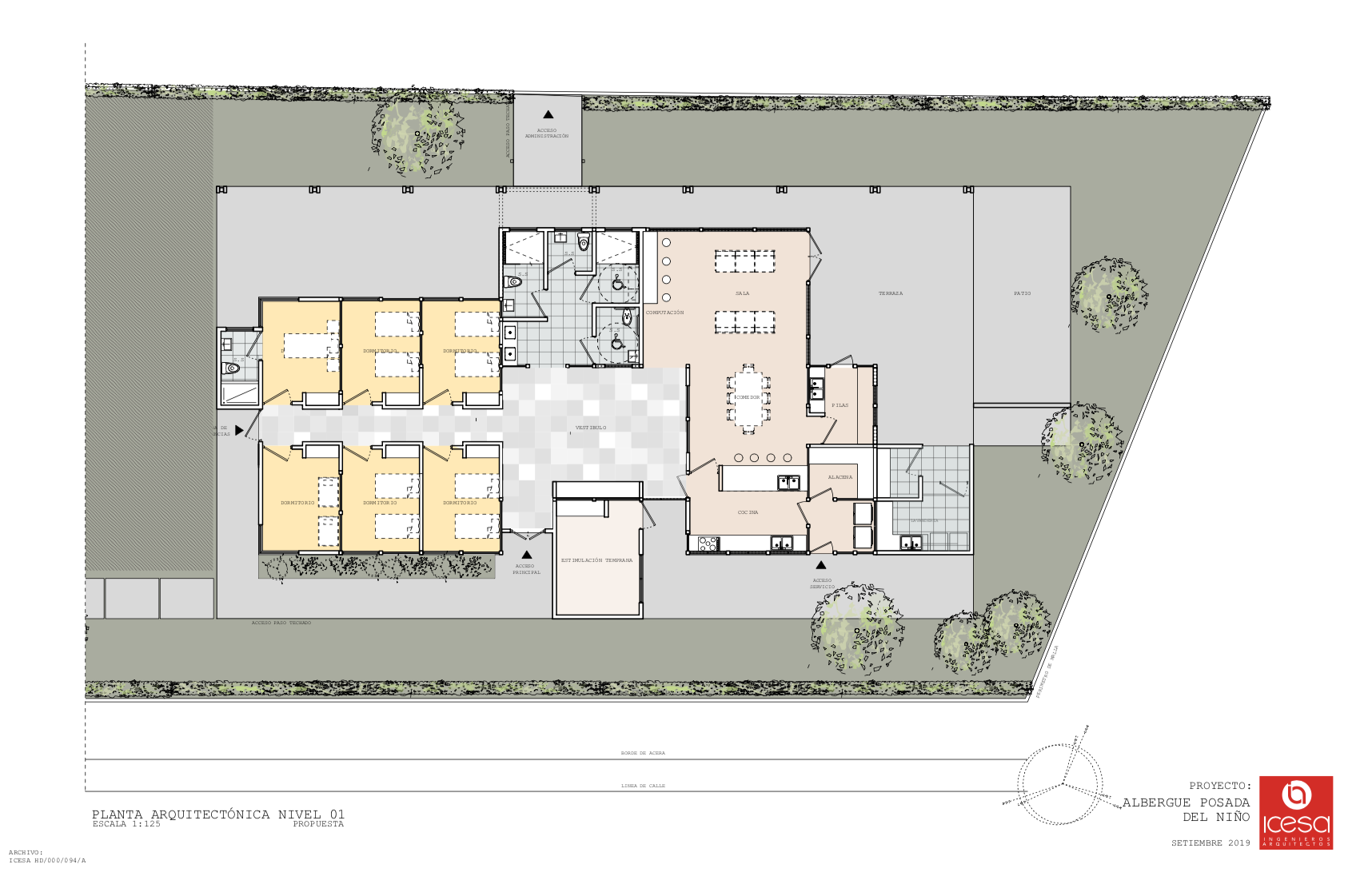
El Albergue Posada del Niño es un proyecto administrado por el PANI que vela por la calidad de vida de los niños de la región.
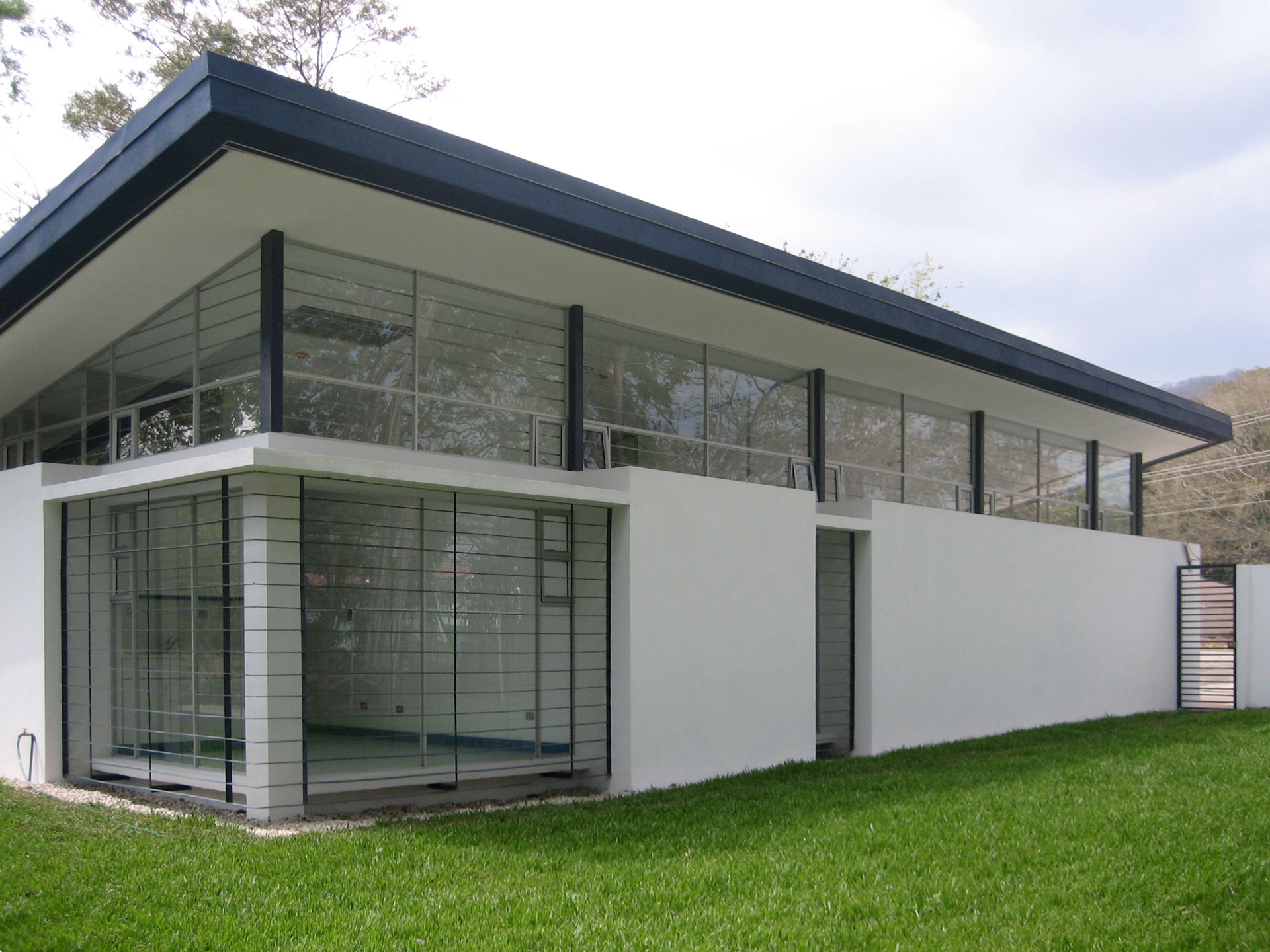
In accumsan metus at magna vehicula placerat tempor varius ipsum. libero, non congue odio vulputate eu. Phasellus euismod magna ac est.

This project is compose by 2 programatic parts. On one side of the existing Hospital ICESA included a transparent and light design for a Restaurant. On the other a secluded and protected Room for the recovery of the patients.
Location: La Uruca, San Jose, Costa Rica
Area: 600m2
Status: Built
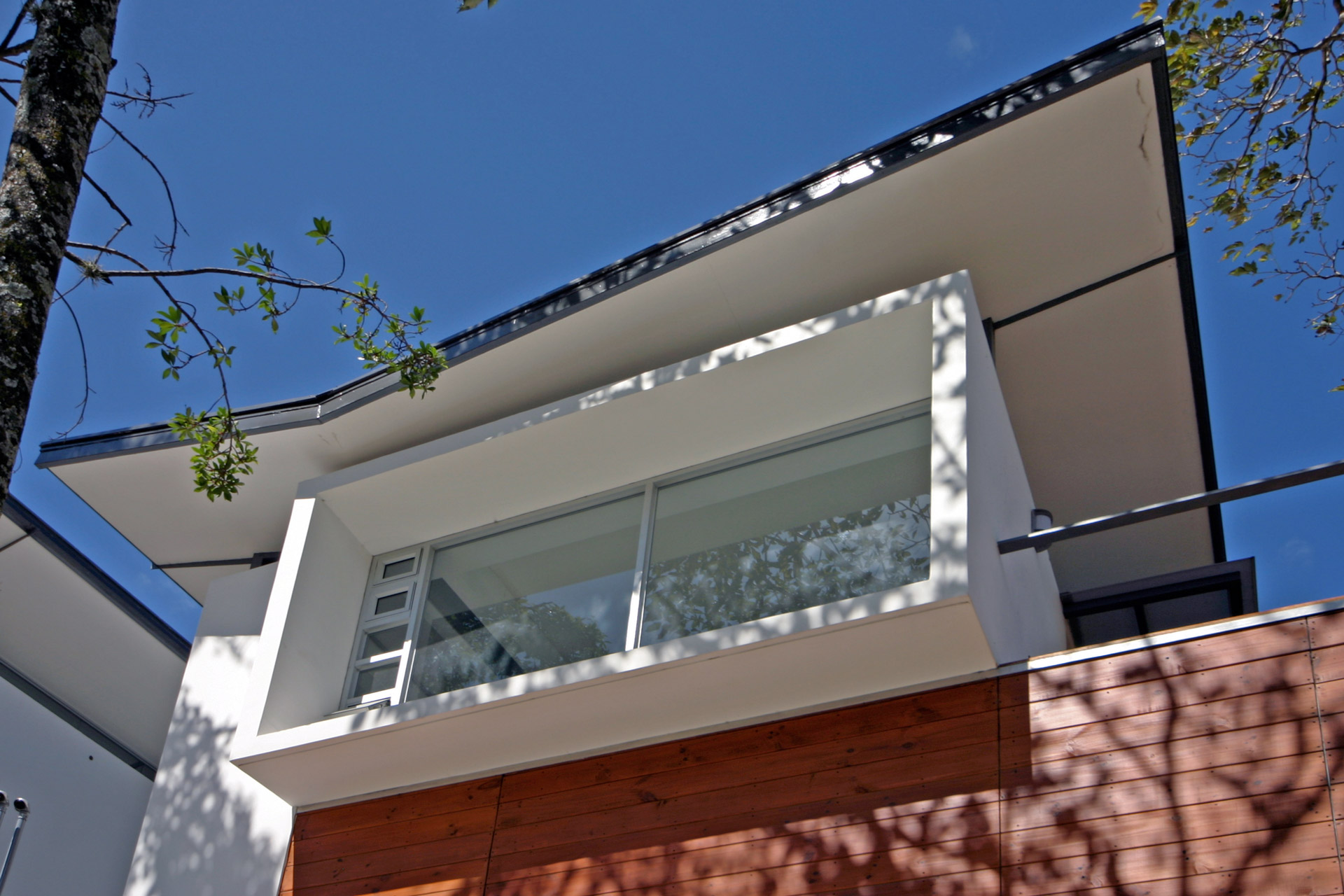
The Nardo Rojo represents not just another project, but a personal challenge as it becomes the new home for our studio. After 30 years, our previous office no longer echoed our evolving ethos. This project’s design had to side-step ephemeral trends to avoid premature obsolescence, and instead, anchor itself in the timeless appeal that captures our spirit as contemporary architects.
Nestled on a uniquely triangular 280m2 lot in Guachipelin, Escazu, Costa Rica, the project adeptly accommodates our office space, two rental apartments, and a minimum of seven parking spaces – in line with municipal mandates. The compact, efficient design optimizes space, striking a delicate balance between aesthetics and functionality.
Design principles that stand the test of time form the bedrock of our firm’s philosophy, and these are potently reflected in the Nardo Rojo. The layout encourages fluidity between spaces, fostering a potent bond between the interior and exterior. A dedicated focus on bioclimatic response bolsters the building’s sustainability, while a high degree of spatial order ensures operational efficiency.
The architectural language of Nardo Rojo is minimalist yet profound, with a specific focus on the ethics of materials. The honesty of exposed steel is contrasted with the warmth of wood, striking a balance that is aesthetically pleasing and ethically sound.
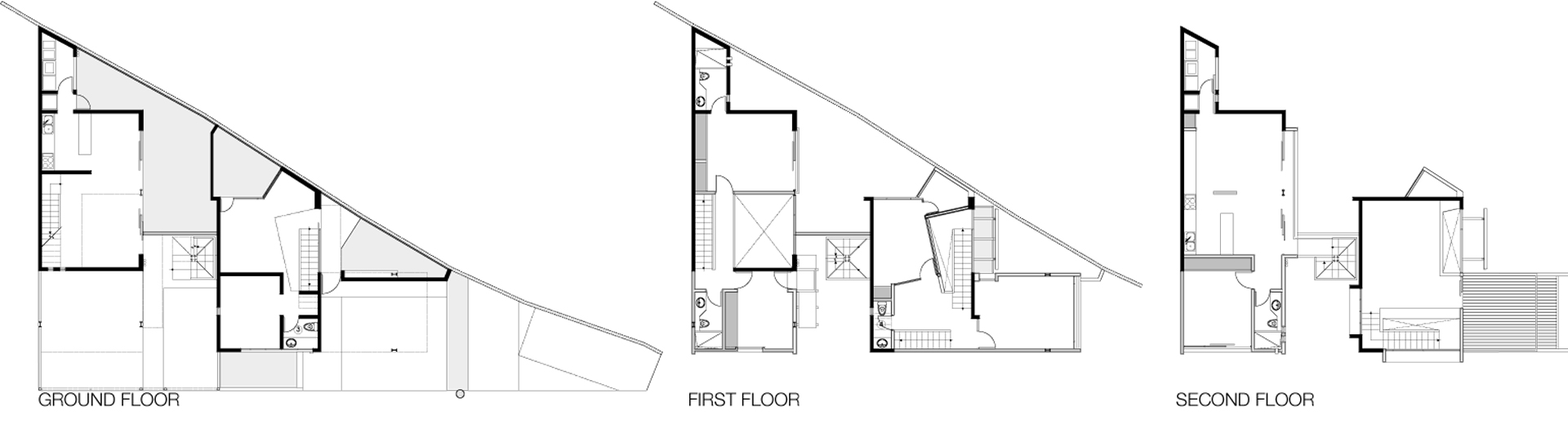

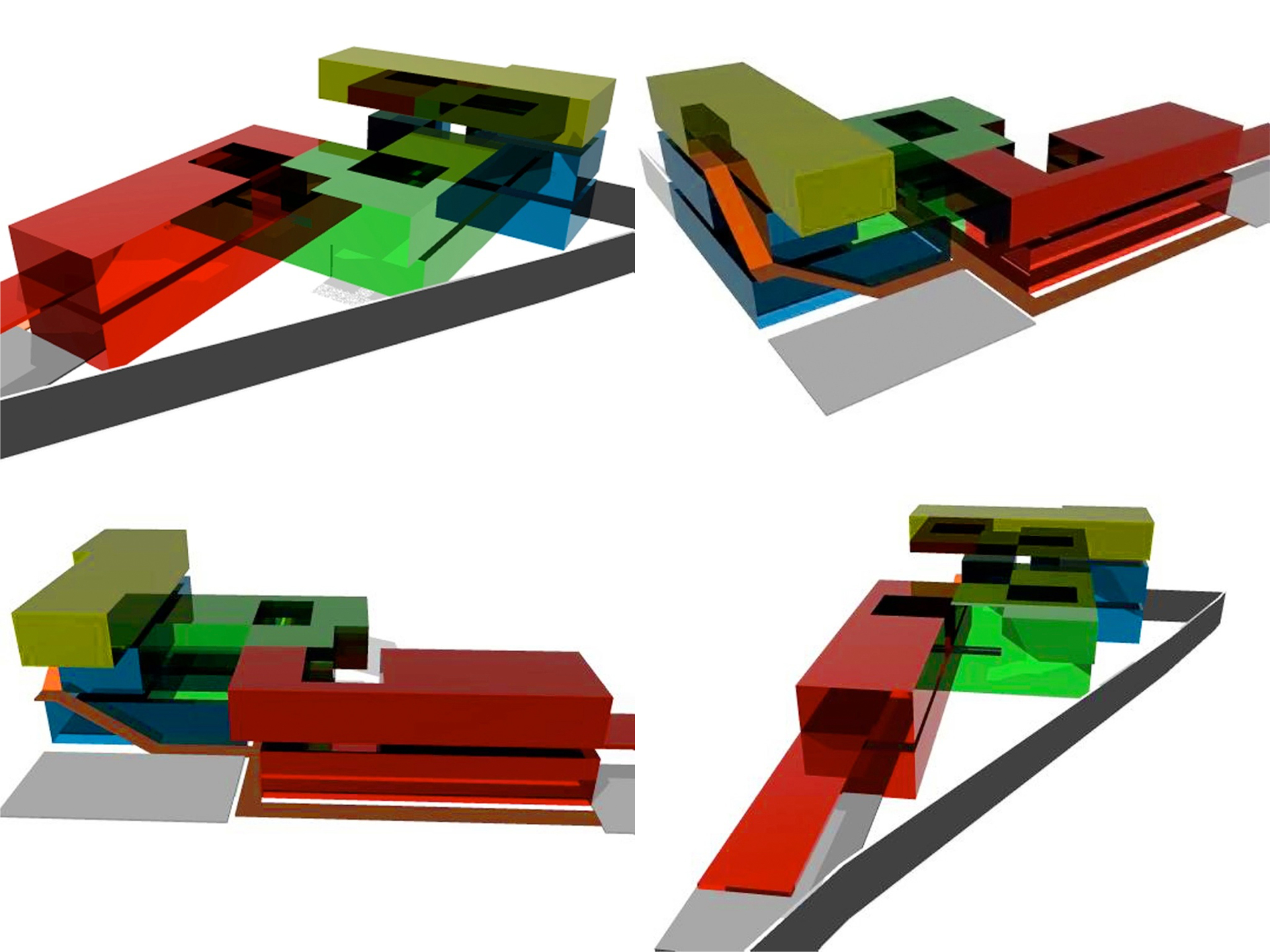
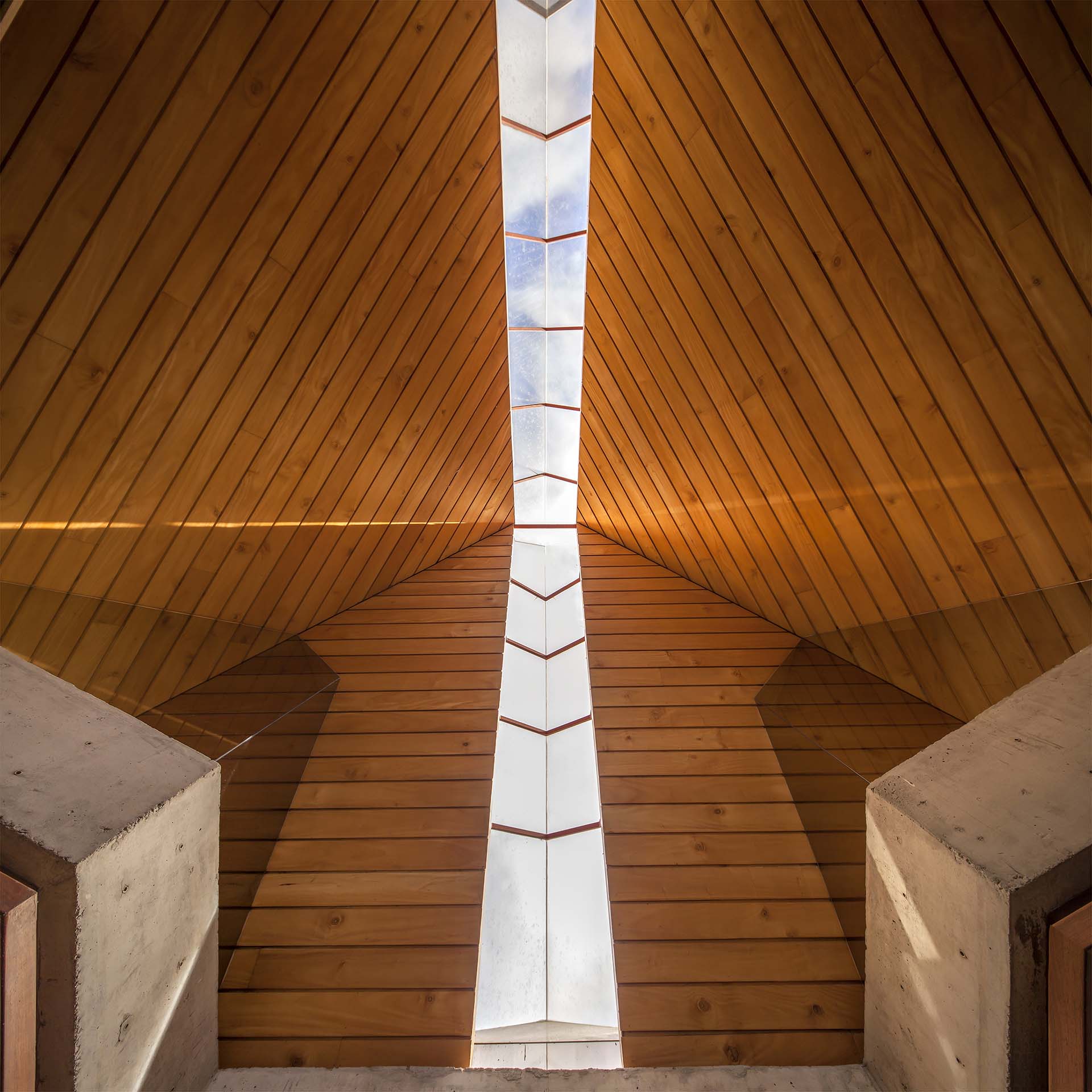
Nestled in the serene surroundings of Santo Domingo de Heredia, adjacent to the Hotel Bougainvillea, the Soto House stands as a testament to intricate architectural design and superior craftsmanship. The dwelling is a composition of two elongated wings, intersected at a 150-degree angle by a distinctive lobby area capped by a pyramid-shaped roof. A linear skylight running along the symmetrical axis of the pyramid fills the house with a wealth of natural light.
The Soto House is a material showcase of thick clay bricks and exposed concrete beams and columns harmoniously intertwined with wooden floors, doors, and ceilings. Large glass doors and windows facilitate an uninterrupted dialogue between the interior living spaces and the beautifully landscaped garden.
An access road paved with stone and a welcoming rotunda guide guests to the house. These attributes accentuate the architectural character and add to the overall aesthetic of the property.
The house belonged to the owner of Muebles Soto, a top-quality solid wood furniture maker whose factory and showroom were also designed by ICESA. Now retired, he chose to bring his love for fine woodwork into his retirement home, integrating exquisite wood details throughout the house. Each room in the Soto House thus reveals a story of a lifetime devoted to meticulous woodworking, with the entire property serving as an ode to the owner’s profound passion for his craft.
Other quality examples of Costa Rican Contemporary Houses with clay brick, exposed concrete and wood are Spi House, Music House, and 3 Cariari Houses
Photos courtesy of Ricardo Chaves
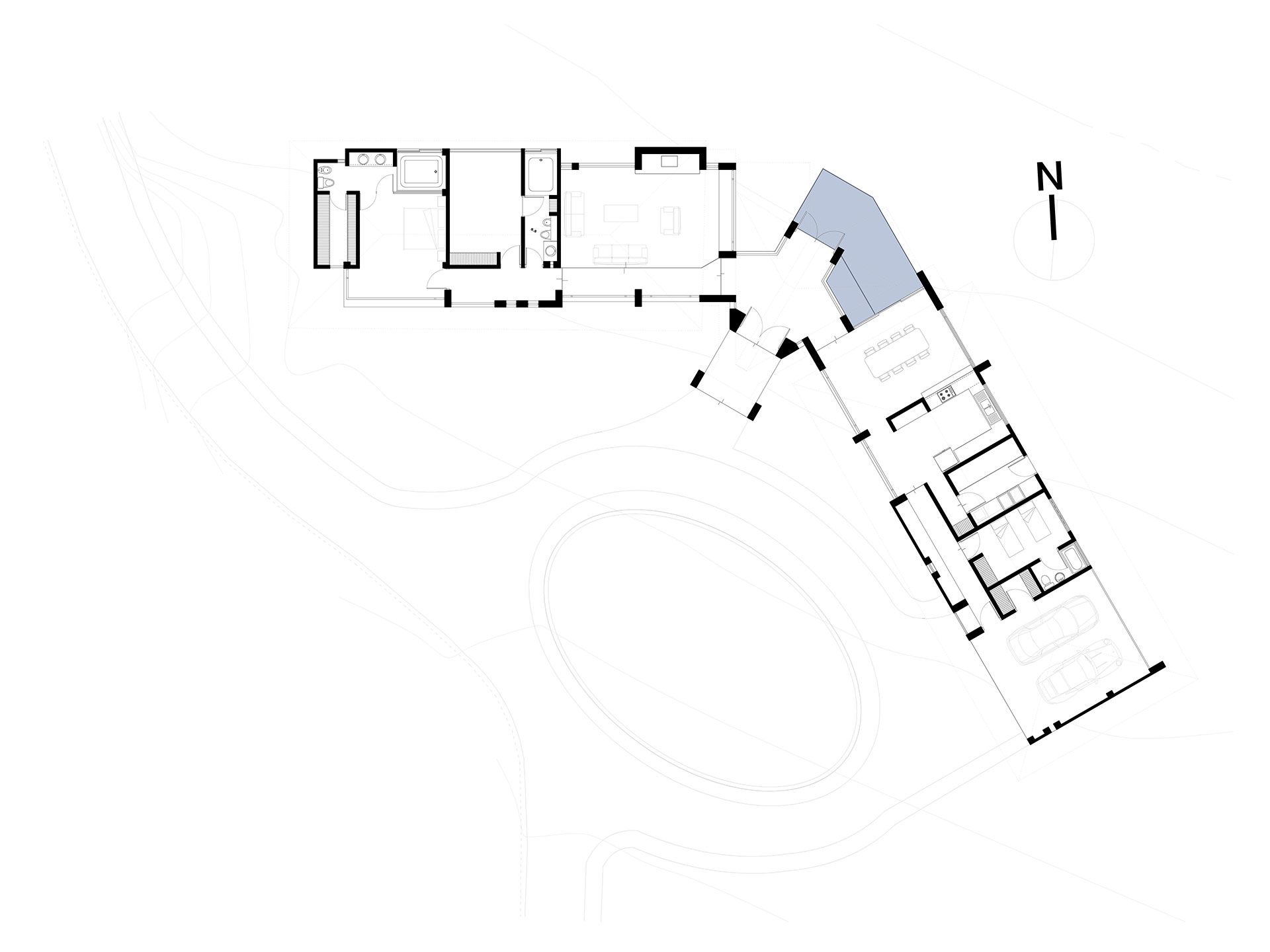
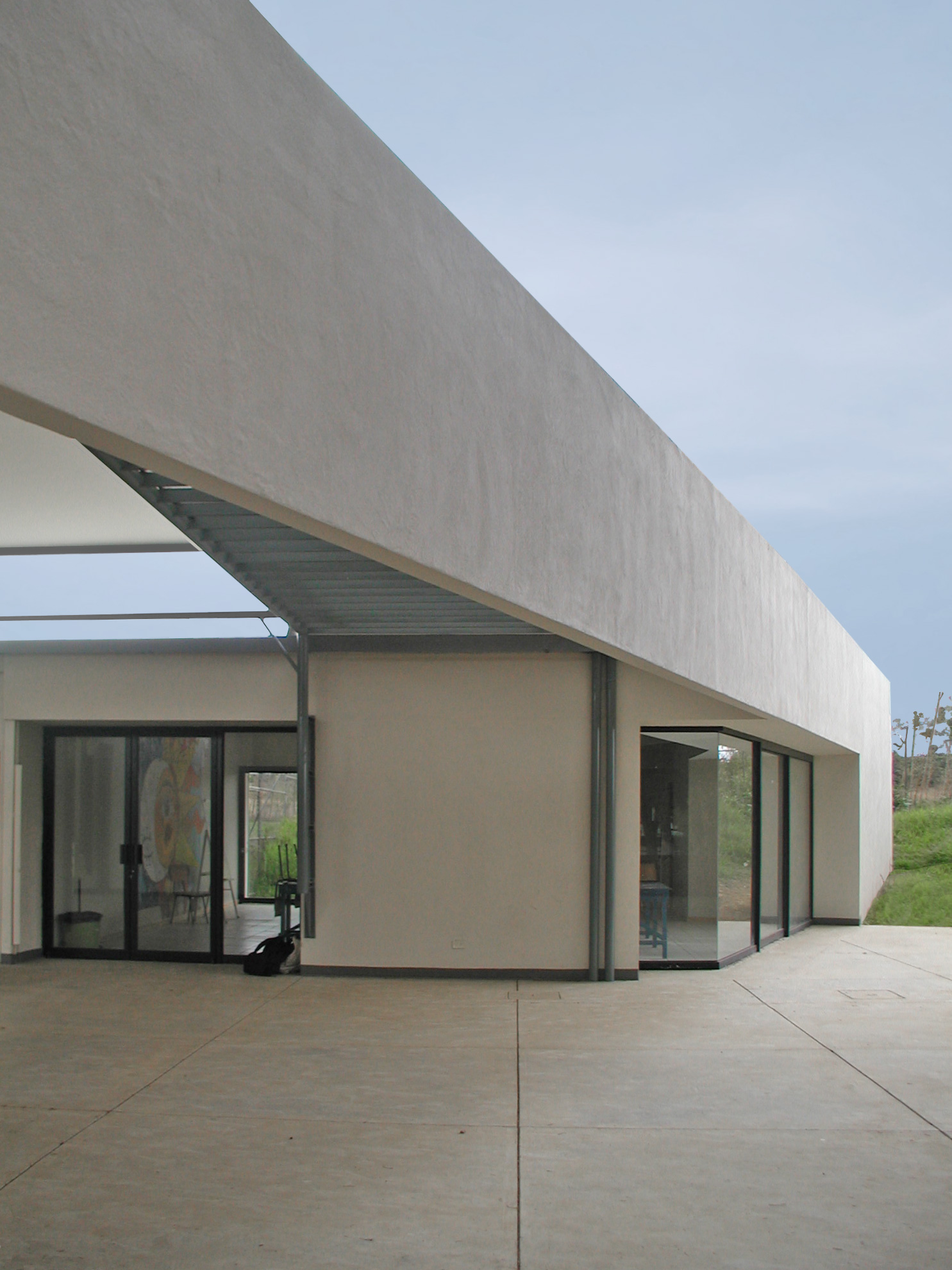
Liceo Franco Costarricense, an award-winning project by ICESA, stands as a testament to innovative architectural solutions in Costa Rica’s educational sector. With a commitment to sustainability, this project involved the ingenious reuse of existing buildings, connected by a lightweight, unifying design. The design brings a fresh, modern aesthetic while preserving the site’s history. The school layout emphasizes the importance of socializing spaces outside the classrooms, fostering interaction and community building. Its bioclimatic design responds to Costa Rica’s unique climate conditions, enhancing comfort while minimizing environmental impact.
Today schools require not only to transmit knowledge or to develop habits or intellectual abilities, but also to develop all the integral potentialities of each person. The learning is not carried out only in the classroom; the student needs to assimilate the information that has learned and to fit this to its own perspective and to the time that faces to the community (the school) reaching therefore the success of the transmission. The “Liceo Franco Costarricense” School convoked us with the main purpose of solving this necessity to them, the informal learning outside the classroom. They wanted to have spaces that contributed with the encounter, the getting together, the reflection and the recreation. They wanted the spaces to identify the students with its institution. We had to take advantage of an existing infrastructure with little architectonic value and serious structural problems.
Location: Concepcion de Tres Rios, Cartago, Costa Rica
Area: 10000m2
Status: Built
Asociación Franco Costarricense de Enseñanza
2003
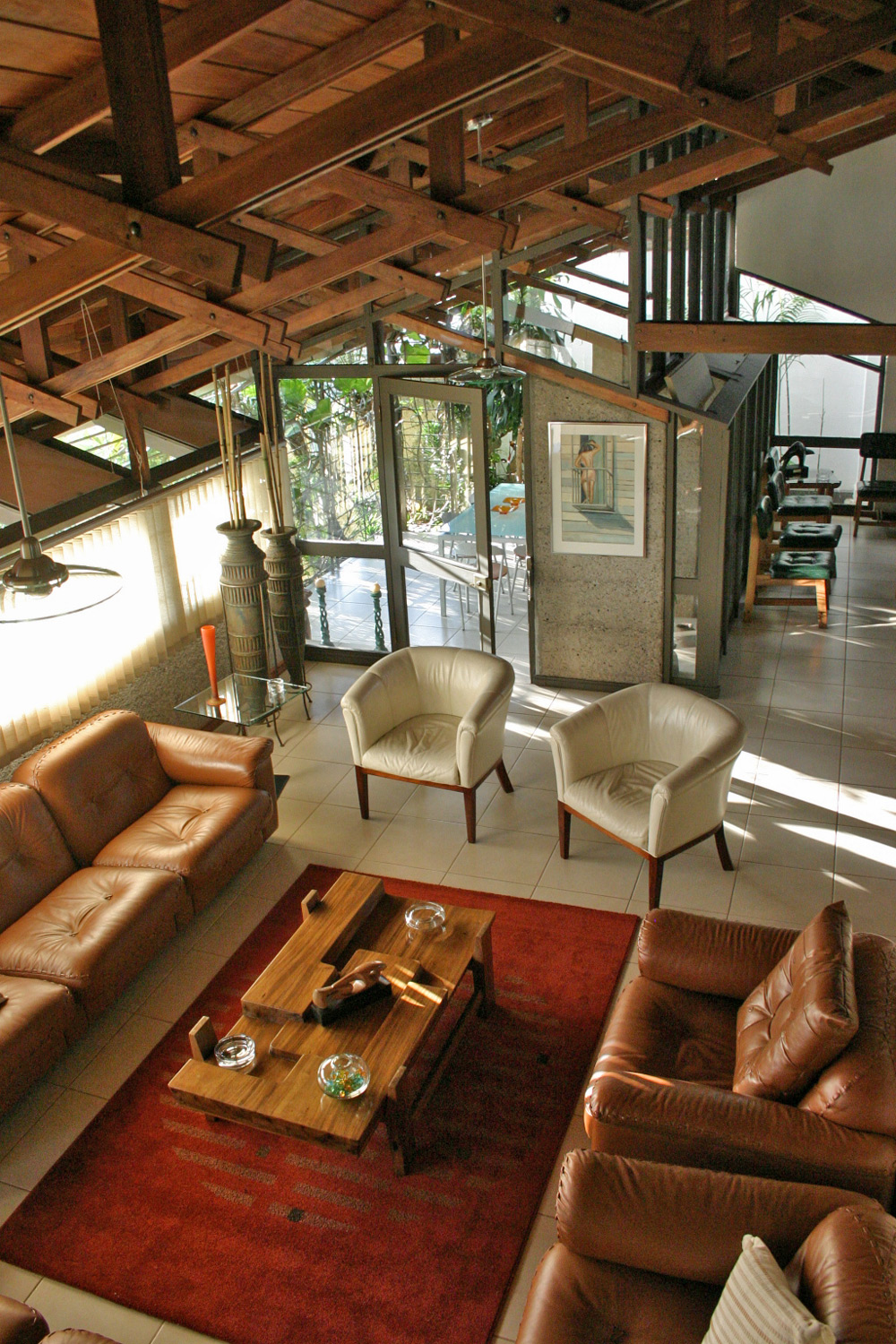
This house was originally designed by Architect Jorge Berthau in the 1970s. The renovation was carefully crafted to conserve the original attributes of the house and furniture but upgrading the quality of materials.
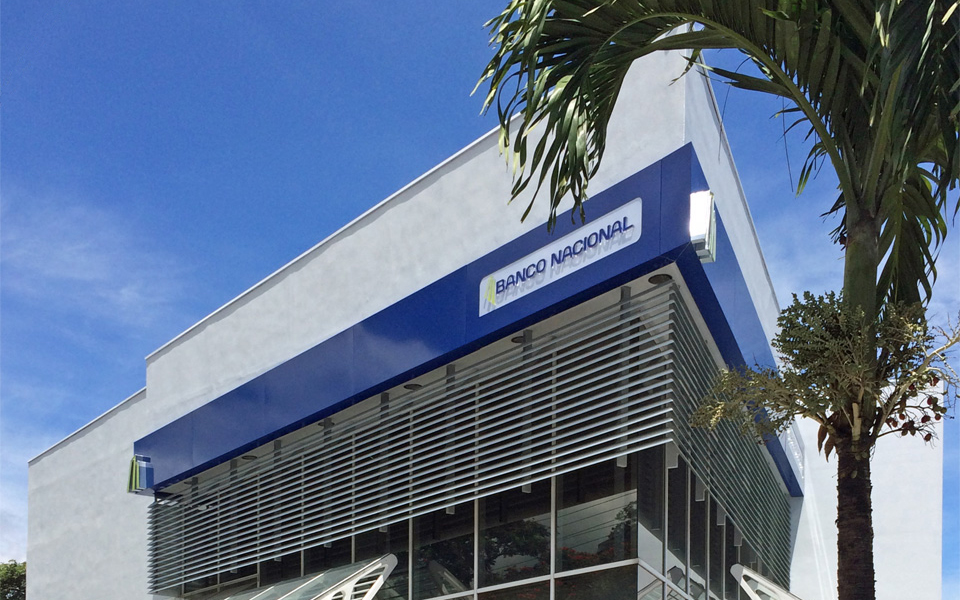
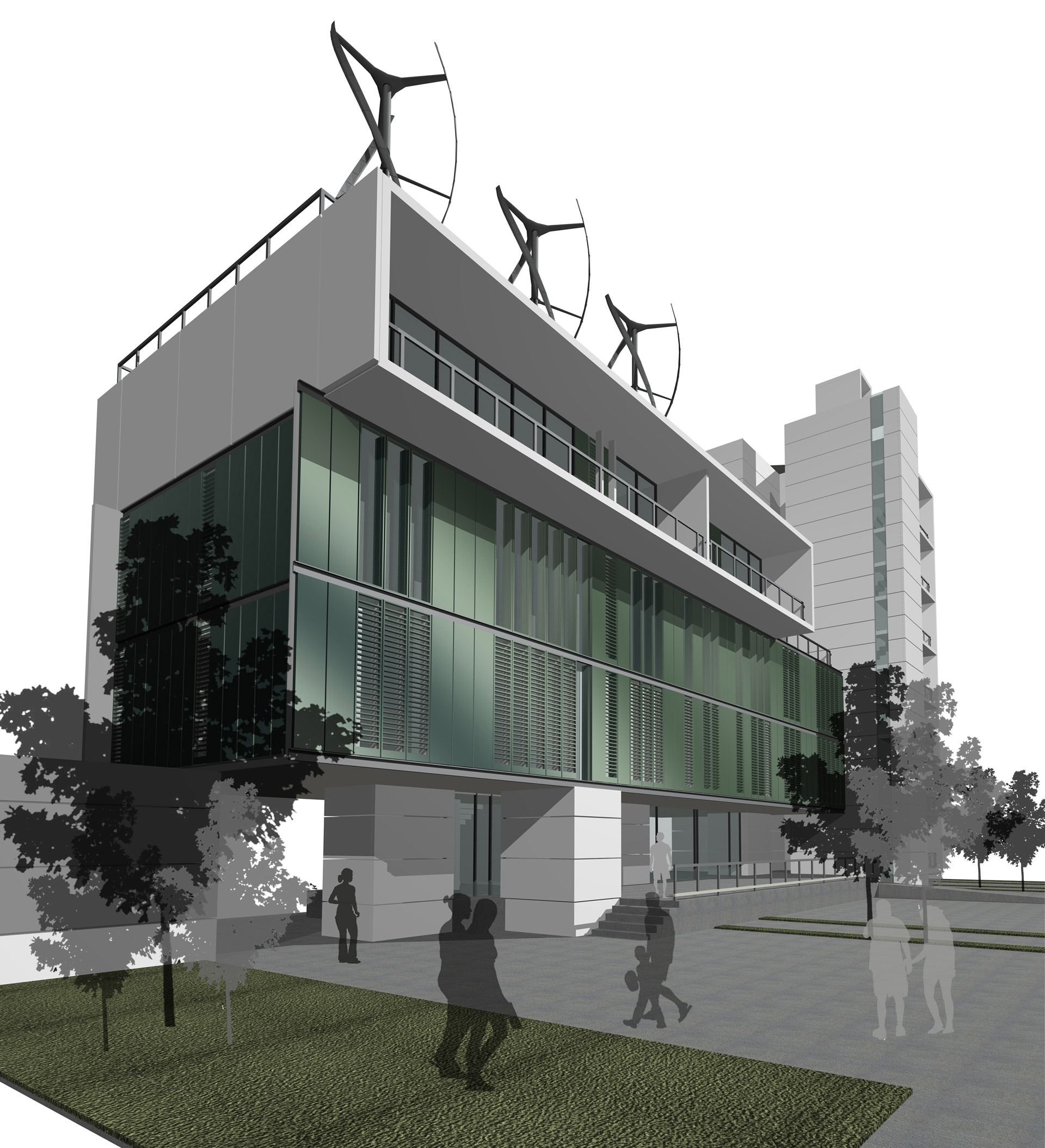
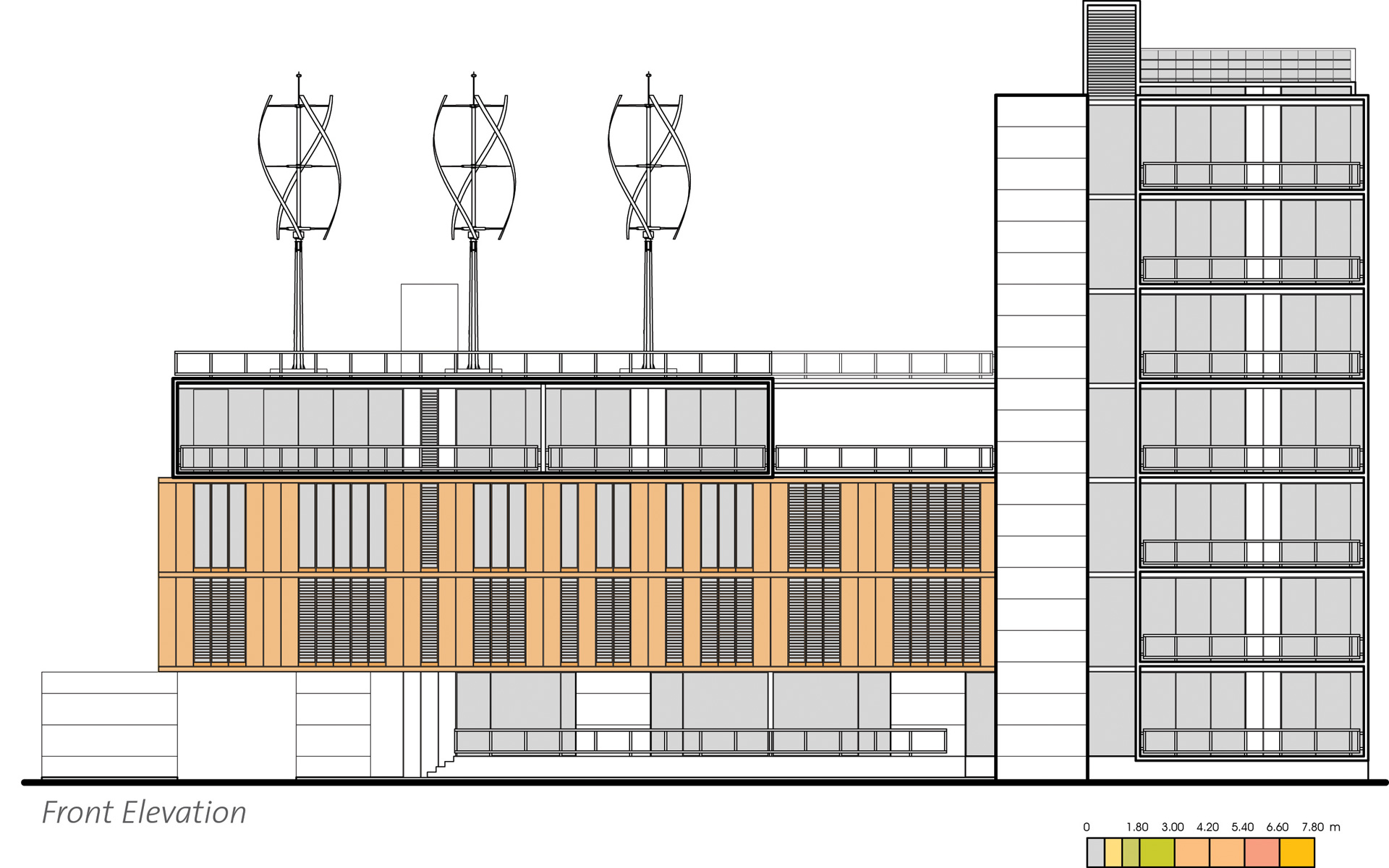
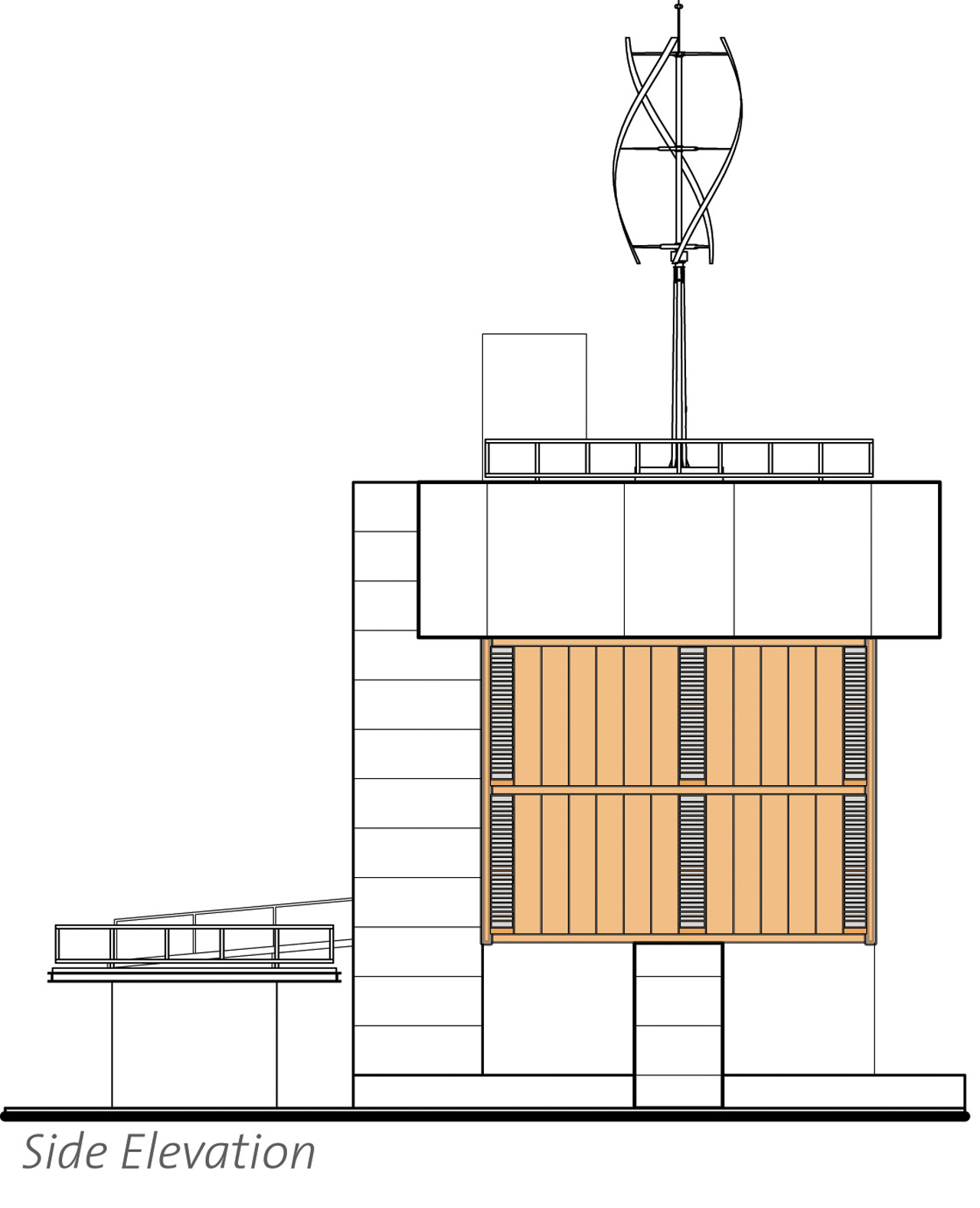
The sustainable agenda of this project reflects the Thames Gateway (UK) in-flux character and it’s pliant society and economics. This London region was a former industrial area that is now developed in pockets of different systems that mix old industries with business areas, protected green areas, high end housing and devaluated areas. A rich demographic and economic diversity is nowadays the norm: from nuclear families, single persons to retired couples, all with specifics and different recreational and social needs.
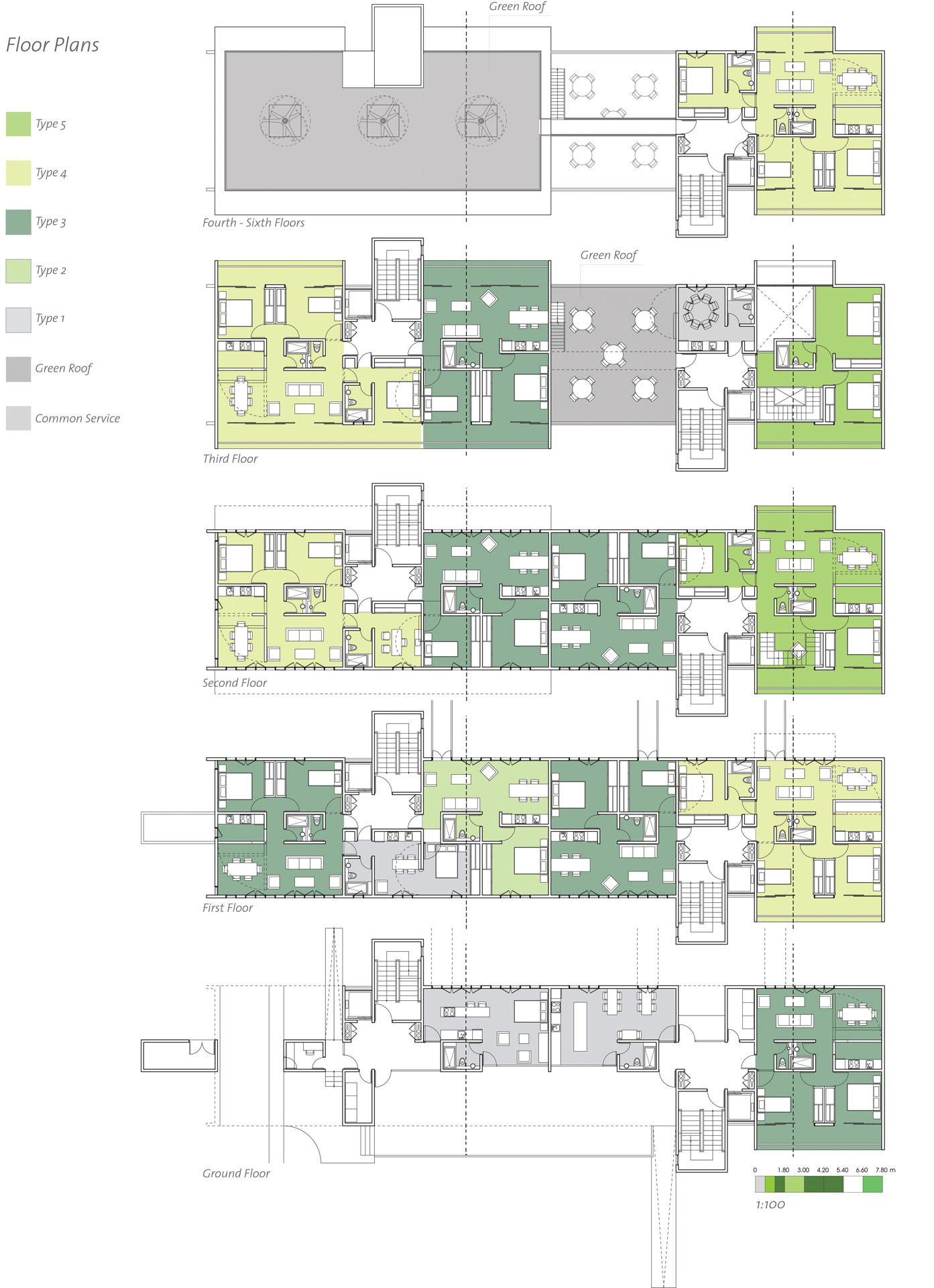
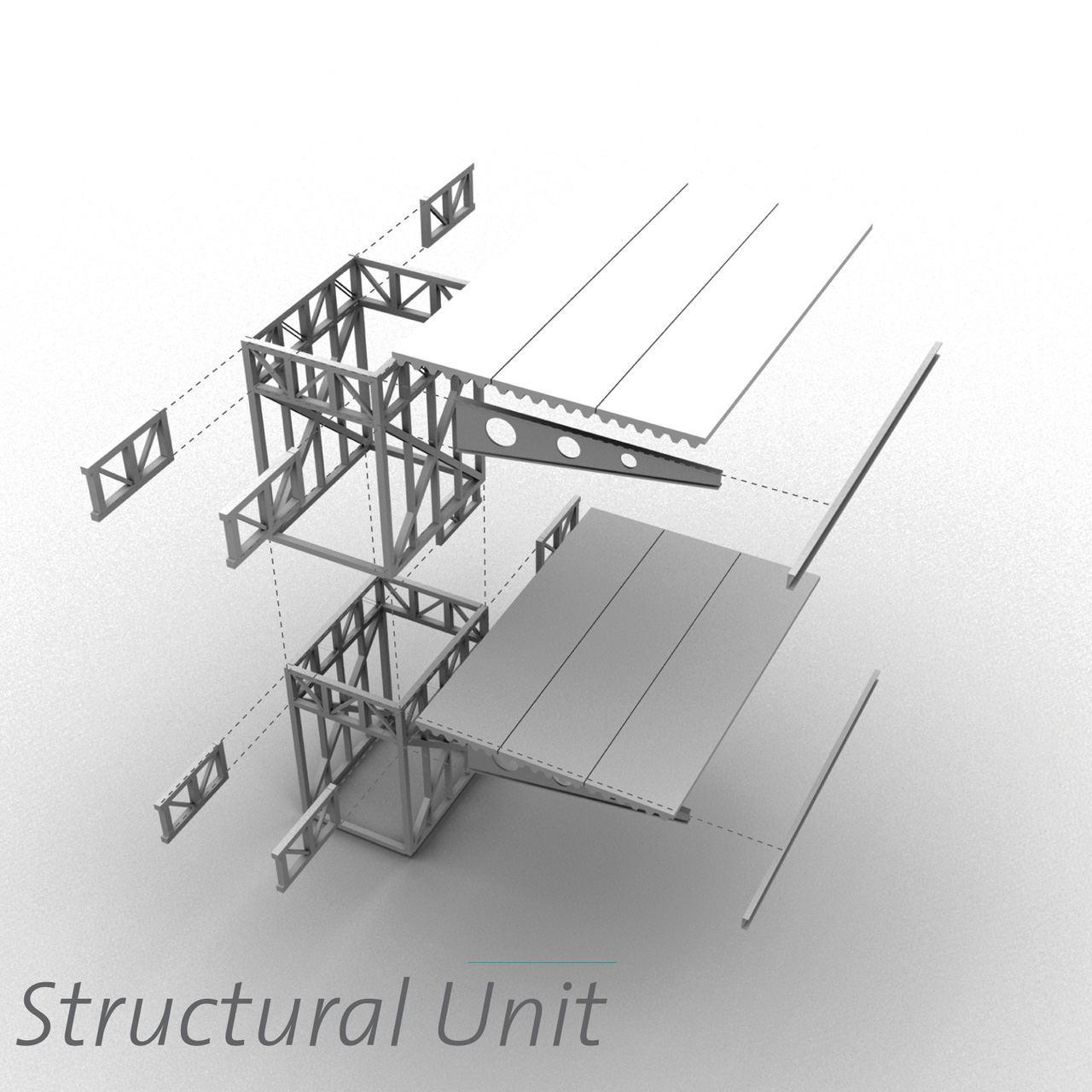
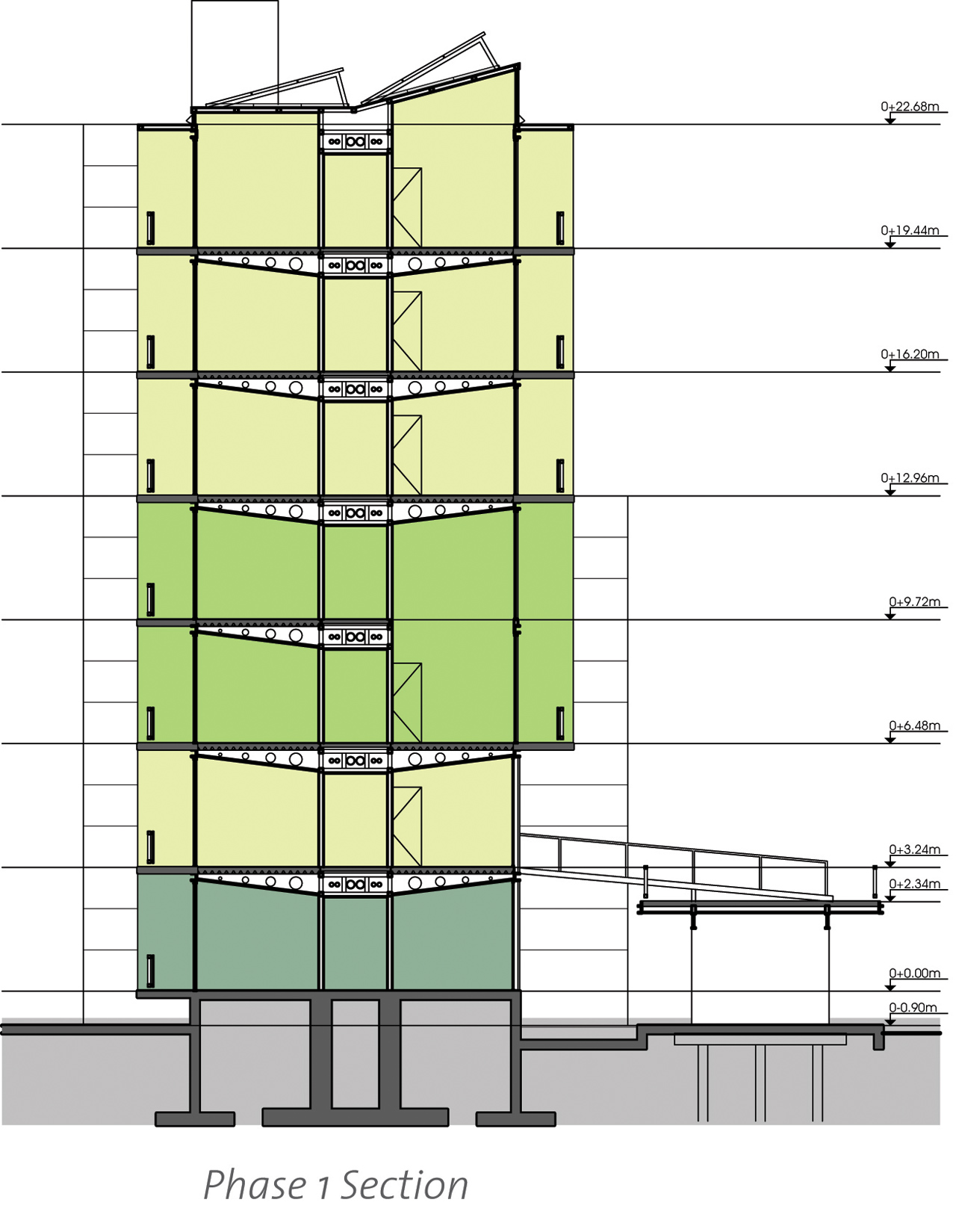
Sustainability is a broad site-dependent goal. Flexibility, Urban interaction and Low energy consumption -are the sustainable key points for ICESA’s FUSe Project in UK. Flexibility addresses a social & economic need for adaptation in 3 goals: one (1) as the capacity to configure different units options that allow developers to offer wide variety of products that could fit different interest groups and different densities, the second (2) allow the habitant to adapt the space to different needs according with life cycles that could occur in days, months and years and the third one (3) is a system to adapt to different sites within the Thames Gateway area, more specifically different orientations.
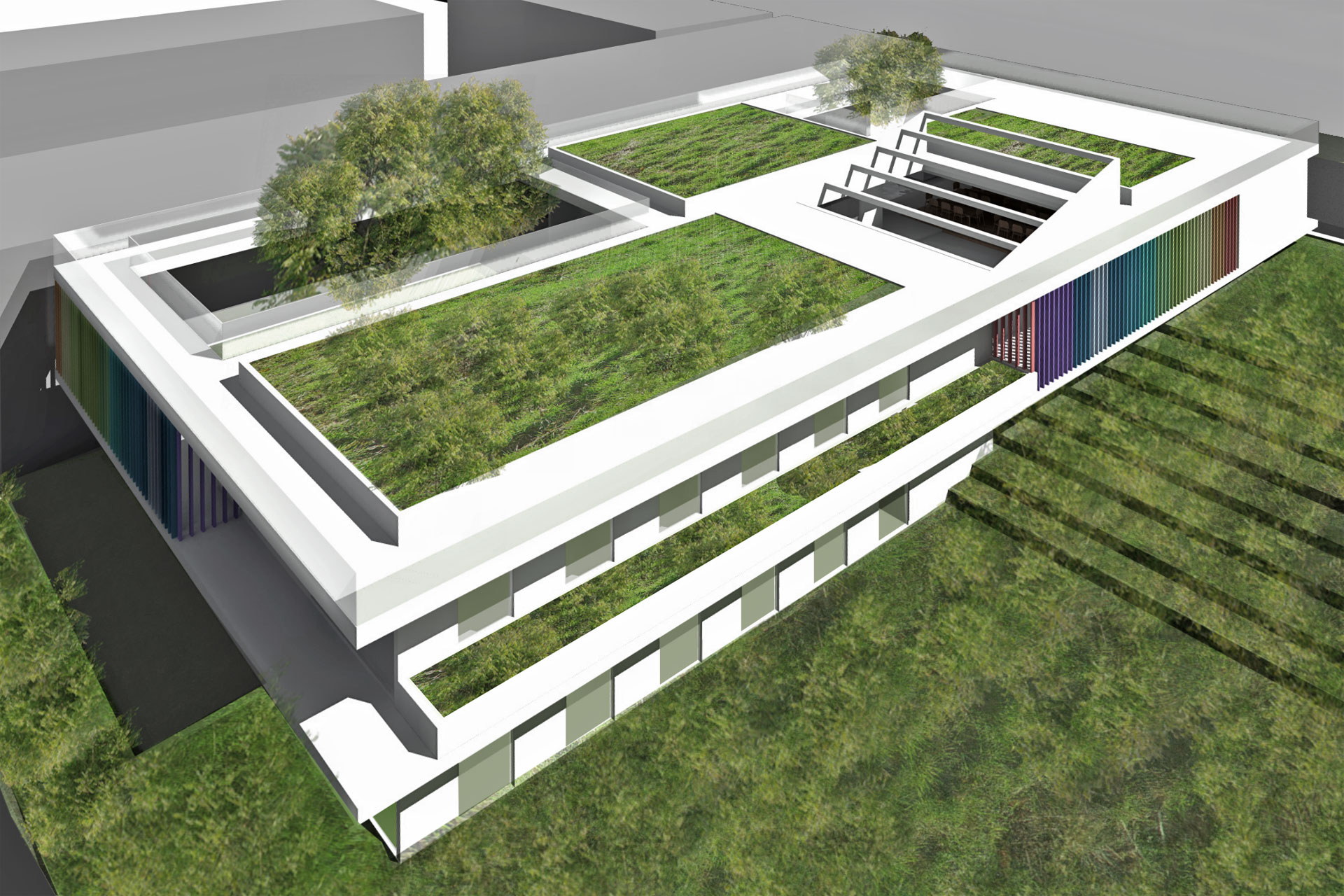
FUSe building relates to the urban scale motivating social contact within the project and between its inhabitants and the surrounding events and persons. The building’s front setback is increased in order to locate a public plaza. By an overshadowing analysis, it was determined that this area will take advantage of sunlight during the coldest months, increasing the possibilities if its use throughout the year. On the ground floor, additional strategies were included – free space for commercial activities and permeability between the site’s back garden and the front plaza. Green roofs are incorporated on the second and third floors shortening the separation between the inhabitants -primarily the ones in the mid-rise- and a common area. Balconies & terraces are positioned to increase events occurring in transitional spaces – a hub for the connection between private & social spaces. The parking area is located to enhance security by everyday mobility.
Location: Thames Gateway, London, UK
Area: 6500m2
Publications: Houses of Steel By The Images Publishing Group, 2009

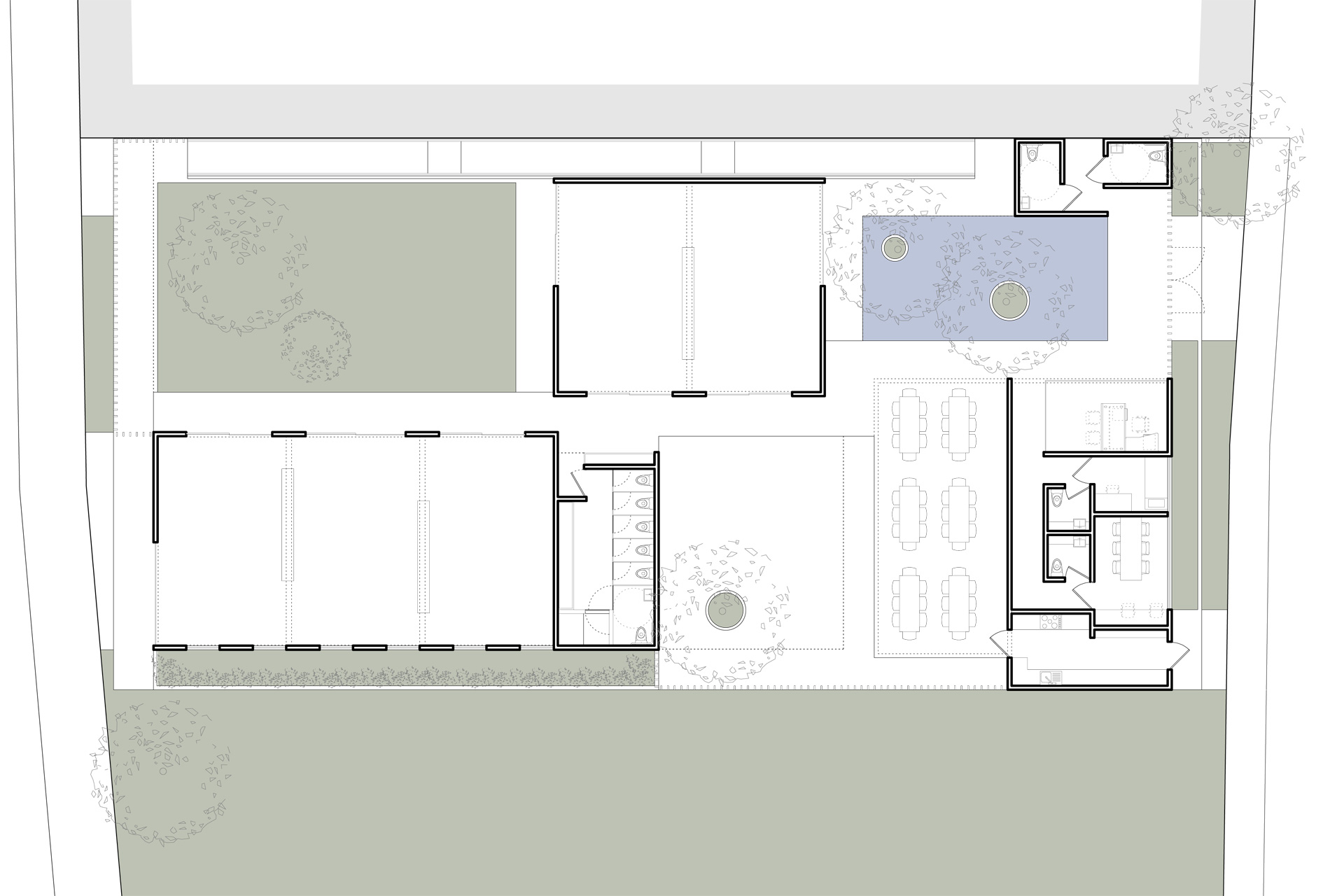
Dehvi Foundation improves the lifes of hundreds of families with their Reggio Emilia nurseries.

Proyectos Completos
2017
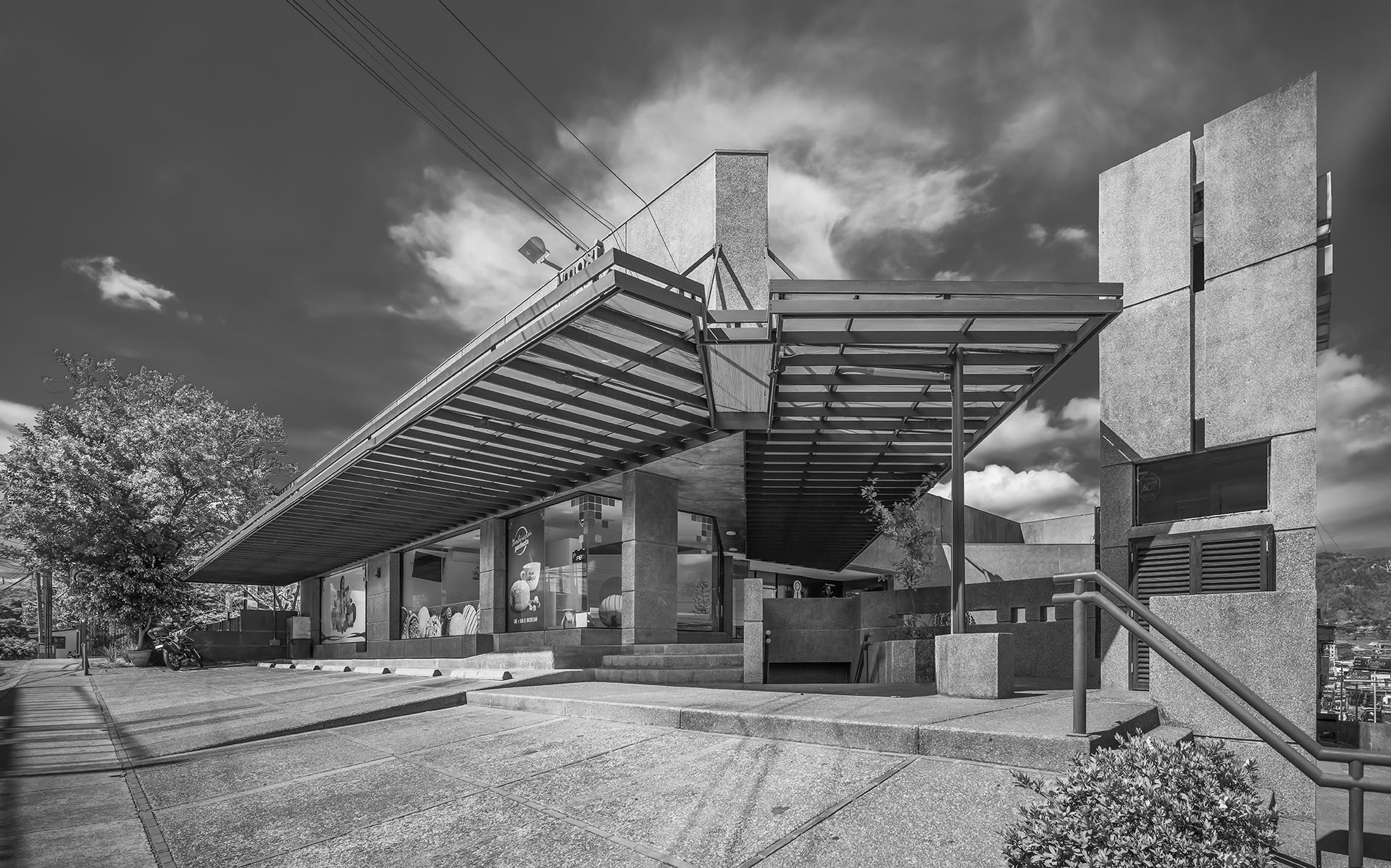
Situated in the bustling shopping district of Trejos Montealegre in San José, Plaza Rolex emerges as a beacon of sophisticated Costa Rican design. This commercial center, conceptualized and executed by ICESA (Ingeniería, Ciudad, Espacio y Arquitectura), is a fusion of form and functionality that encapsulates the dynamism of modern city life.
Plaza Rolex houses an array of high-end retail boutiques, including a designer furniture shop, a jewelry store, a gift shop, and a bank. Each establishment within this architectural ensemble is framed by ICESA’s groundbreaking design, creating a unique shopping environment that radiates elegance and exclusivity.
A testament to ICESA’s commitment to sustainable design, Plaza Rolex exemplifies bioclimatic architecture. The structure dynamically interacts with its surroundings, responding to local climate conditions to create a comfortable and sustainable retail environment. The design achieves a delicate balance, offering low-maintenance costs while maintaining a high degree of aesthetic appeal and functionality.
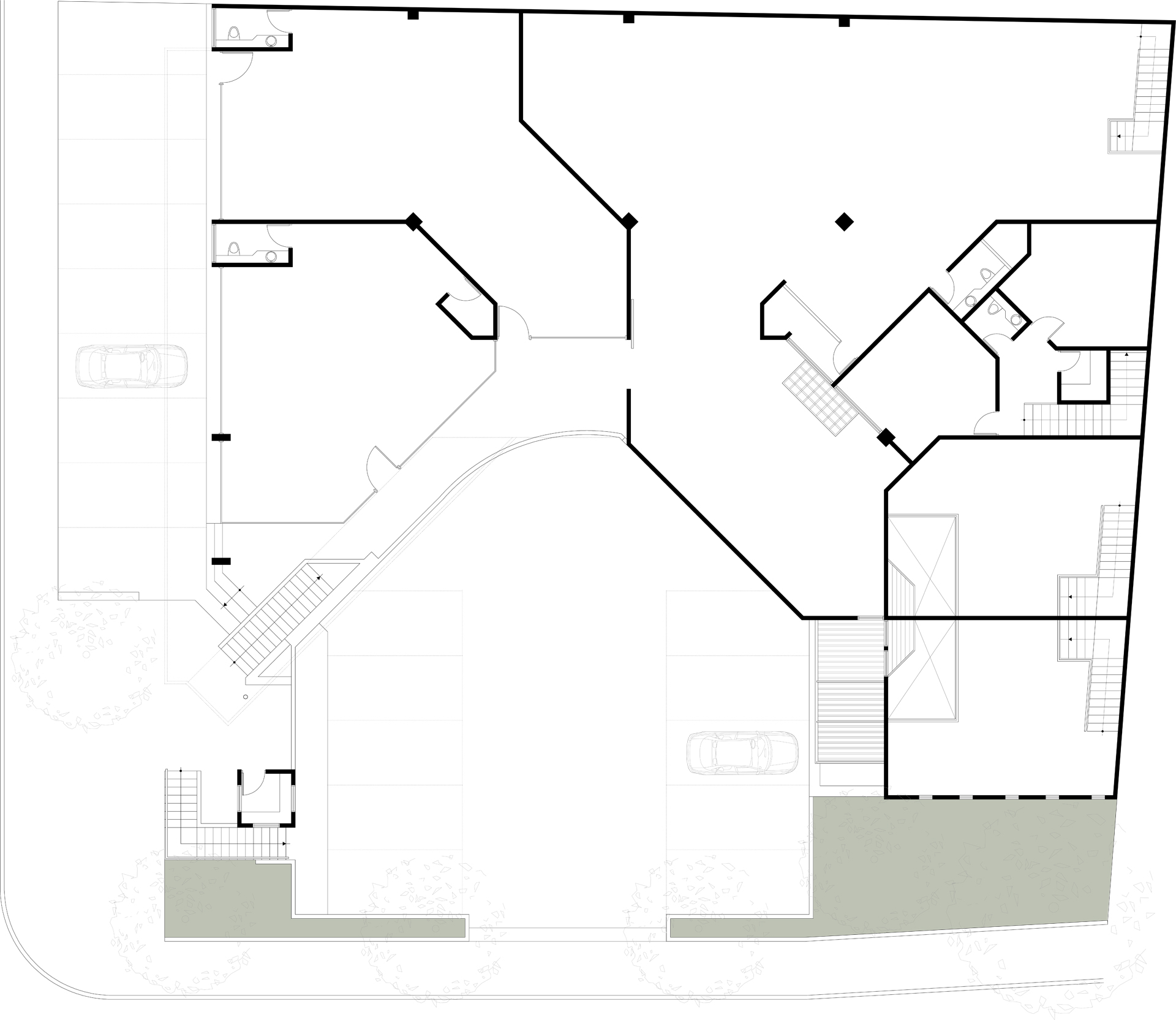
The two-storey, compact building sits on a corner, presenting an engaging interaction with the streetscape. Its distinct architectural vocabulary combines stereotomic elements with tectonic ones, melding a sculpted concrete volume with sleek steel pergolas and shades. The building’s presence in the urban fabric is both bold and harmonious, expressing a modern interpretation of Costa Rican architectural principles.
As with all ICESA designs, Plaza Rolex epitomizes the firm’s commitment to innovative, bold, and sustainable design in Costa Rican architecture. It serves as a prime example of how architectural design can elevate the shopping experience, while remaining responsive and integrated within its urban context.
Location: Trejos Montealegre, Escazu, CR
Photographs courtesy of Arch. Ricardo Chaves
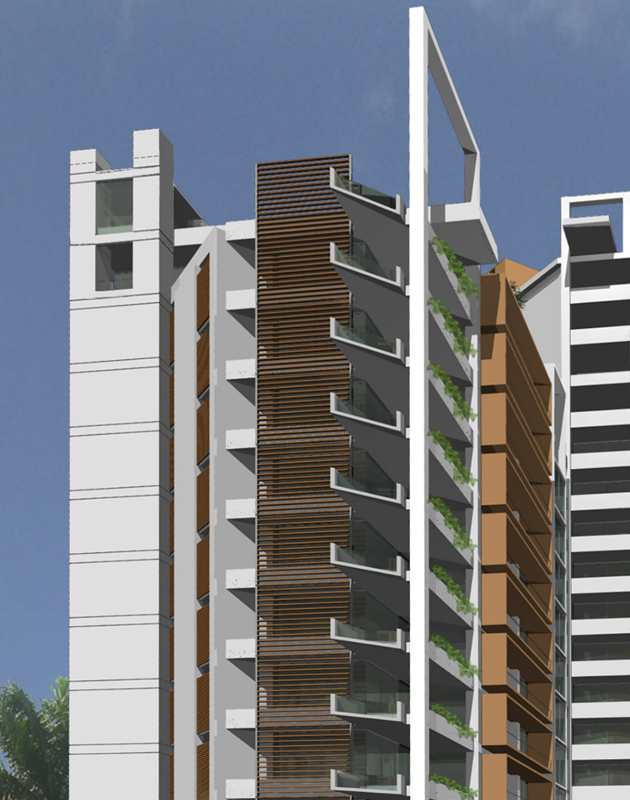
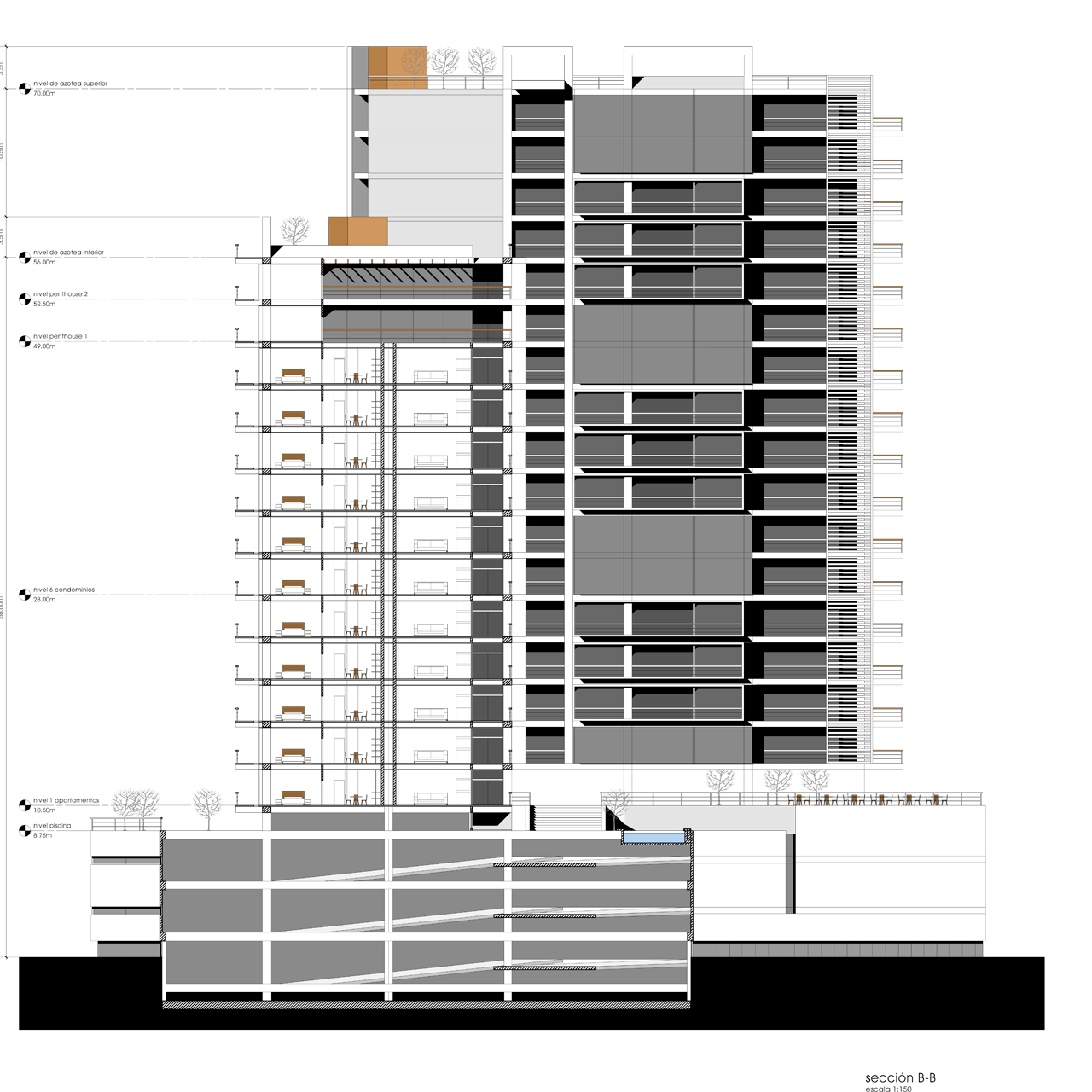
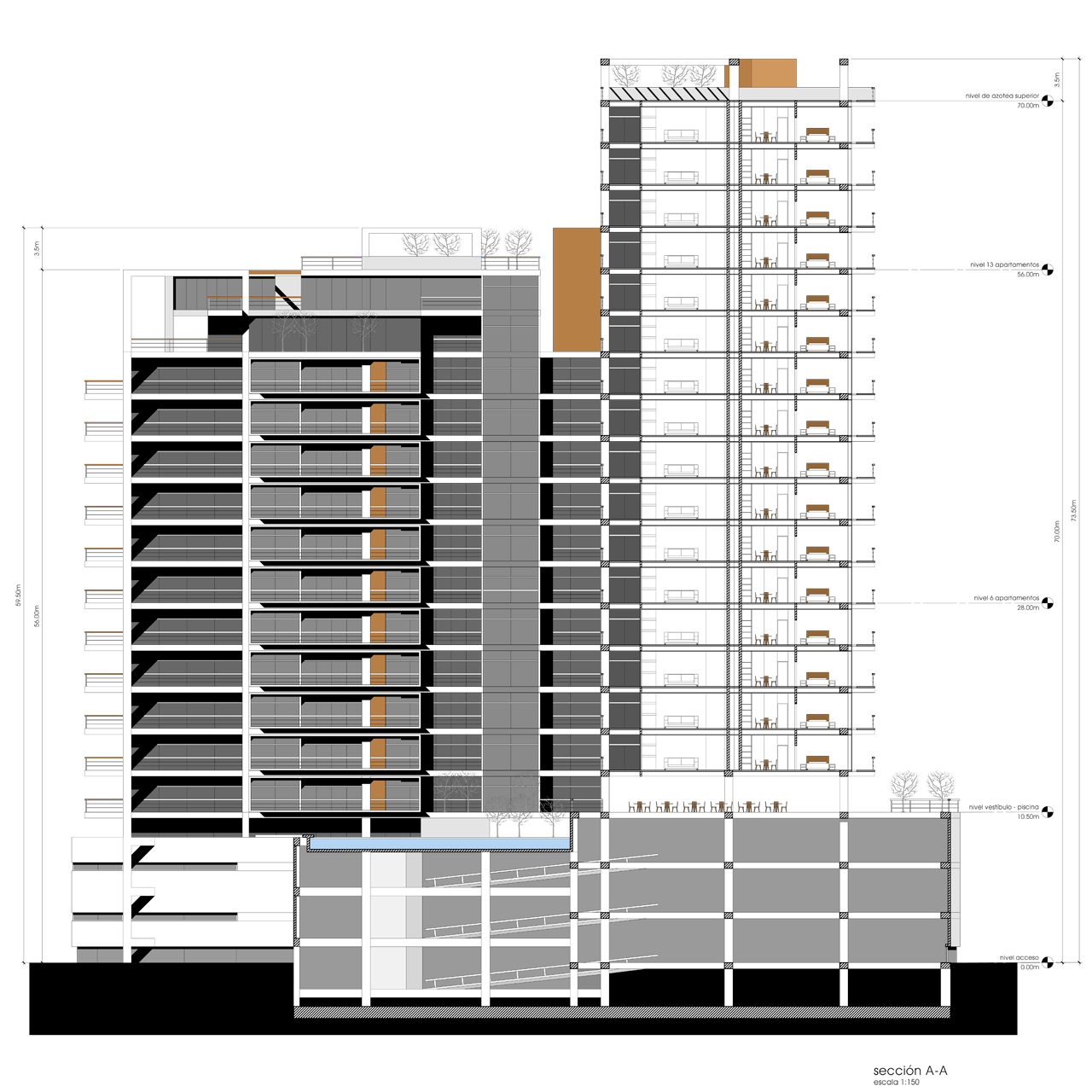
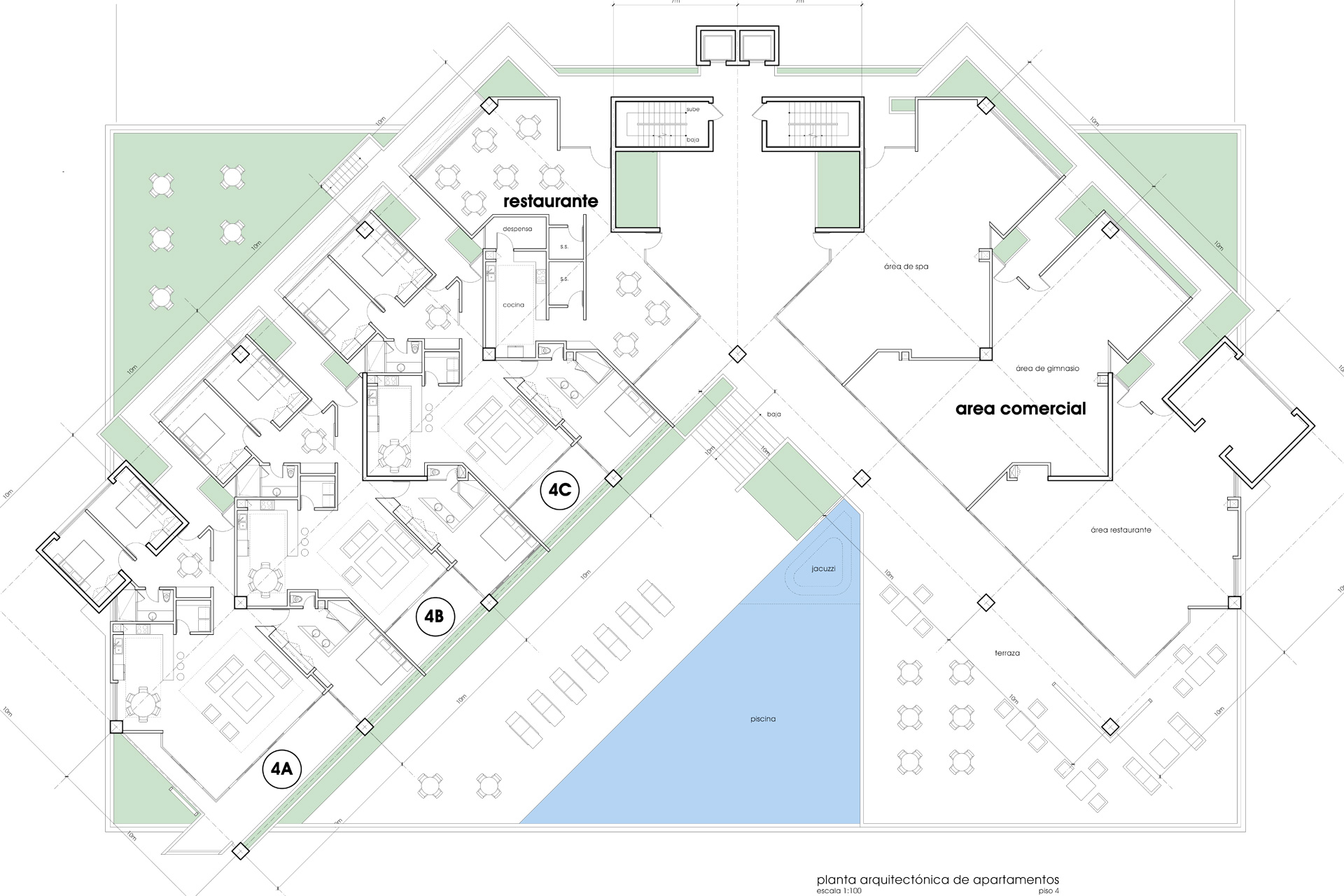
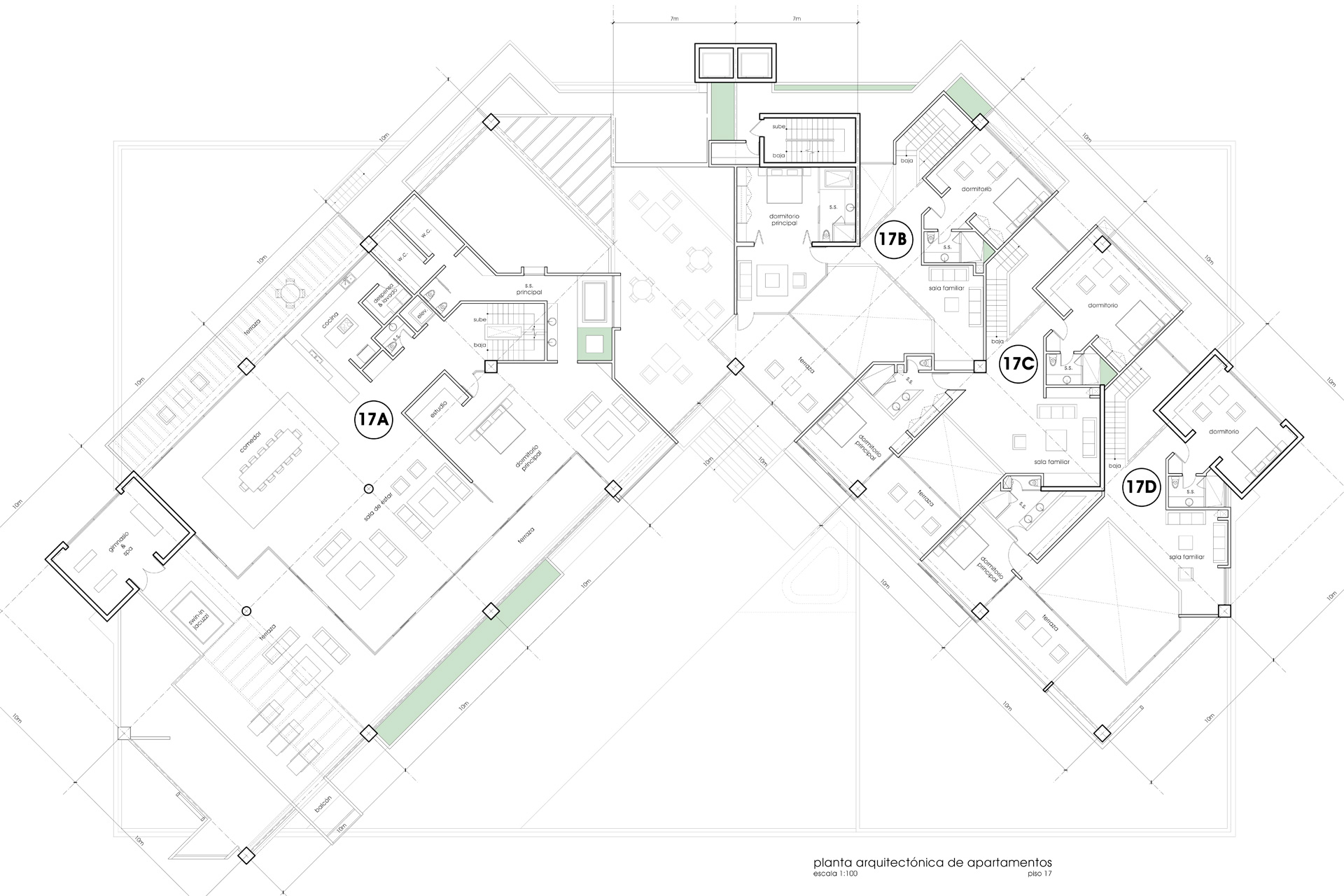
20 storey housing and commercial high-rise and Hotel.
Location: Jaco, Puntarenas, CR
Area: 32000m2

Tangeri Chalet S.A.
2007-2008

The offices of Costa Rica’s Ministry of Economy, Industry and Commerce (MEIC) occupy four levels of an office building in Tibás, San José, at the intersection of National Routes 101 and 32, with direct bus access and strong connectivity to San José’s city center, Heredia, and the Caribbean corridor. The project brought together 325 ministry staff — including the SEIC and Digepyme entrepreneurship units — across consecutive floors, streamlining inter-departmental communication and consolidating an institution that operates simultaneously as a ministerial headquarters and a national entrepreneurship hub.
The programmatic layout follows a logic of accessibility and institutional presence: a covered entry plaza mediates between the street and the main lobby, establishing a civic threshold before reaching the work floors. Intermediate levels house open, flexible office floors bathed in natural light through laminated Low-E glass that attenuates heat gain and exterior noise. The seventh floor concentrates shared amenities — a dining area for 146 people and three combinable conference rooms with panoramic views to the south and west — ensuring that all staff have equal access to the building’s most privileged vantage points.
The fit-out included high-efficiency hydronic air conditioning, occupancy-controlled LED lighting, rainwater harvesting for sanitary use, and a full voice and data network with WiFi coverage across all workspaces. Rooftop terraces and garden areas extend the program outdoors, providing open-air breakout spaces with views toward the surrounding mountains.
Contemporary Costa Rican residence close to La Sabana, and designed to adapt to different uses through in the future.
Recent Comments